Searching for the best headlamp for rock climbers with helmet compatibility means looking past wattage charts and into the details that matter on a wall after dark: a strap system that threads cleanly through your helmet's molded clips without slipping, a beam that switches from wide flood for belay tasks to tight spot for route-finding 60 feet up, and a battery that survives a long alpine push. For 2026, climbers should prioritize four-clip helmet-mount compatibility, 300 to 500 lumens for technical terrain, a red night-vision mode to protect dilated eyes at the anchor, and either USB-C rechargeable lithium or AAA backup for committing routes. Below we break down what to demand from a climbing-grade light - and how to round out your base camp around it.
What "helmet strap compatibility" really means in practice
Almost every modern climbing helmet - Petzl Boreo, Black Diamond Half Dome, Mammut Wall Rider, Edelrid Salathe - includes four headlamp clips molded into the shell: two at the front above the brow and two at the rear above the suspension cradle. A truly helmet-compatible headlamp shares three traits that distinguish it from a standard camping headlamp:
- A single-band elastic strap, not a Y-yoke. The strap must be narrow enough (typically 18-22 mm) to slide cleanly through plastic clips without forcing them open. Wide three-panel jogger straps will not seat correctly on a climbing helmet.
- No thick rubber back pad. A bulky battery pack at the rear of your skull is fine for trail running, but it will fight the helmet's foam liner and tilt the lamp downward when you look up.
- A tilting housing. When the lamp is locked onto a helmet shell, the housing must pivot down 60 to 90 degrees so you can light your feet on a slab without dropping your chin.
If you cannot find a model that explicitly advertises "climbing helmet compatible" or "helmet clip," check the strap width and the back-of-head profile before buying.
Key specs to compare for the best headlamp for rock climbers with helmet compatibility
Lumens and beam pattern
Climbing headlamps don't need 1,000 lumens - they need the right beam shape. Look for a dual-beam design with a flood for racking gear at the belay (50-100 lumens is plenty) and a focused spot of 300-500 lumens for picking out the next bolt at distance. Avoid "reactive" auto-dimming modes for technical climbing; they flash unpredictably when your partner looks down at you from above.
Battery type and runtime
Rechargeable lithium packs are lighter and brighter, but they die fast in cold weather. The best alpine-grade lamps either offer hybrid trays (rechargeable + AAA backup) or include a removable battery so you can stash a spare in an inside jacket pocket. Plan for 4-6 hours of mid-power runtime per push - enough for a benighted multi-pitch retreat with the rope still on.
Weatherproofing (IPX rating)
IPX4 is the bare minimum; IPX7 is better for any alpine or sea-cliff route where afternoon storms are likely. Climbers who scramble in waterfall splash zones or do canyoneering should insist on IPX8.
Weight on the helmet
Anything over 130 grams will pull your helmet forward over a long pitch. Sub-100-gram lamps with a top-mounted battery are the sweet spot. Test it on the ground first: tilt your head back as if you're seconding a roof and confirm the lamp does not slide.
Red mode, lock mode, and the small stuff
A red mode preserves your night vision when you fumble through the rack at a hanging belay. A lock mode prevents the lamp from switching on inside your pack and draining the battery before you even reach the trailhead. Bonus features worth paying for: a separate boost button, a USB-C port (USB-A is being phased out), and a battery indicator that does not require a deep dive into a menu.
The buying framework: how to pick yours in 2026
Match the lamp to the climbing you actually do, not the climbing you aspire to:
- Cragging and short multi-pitch: a 350-lumen rechargeable lamp under 90 grams will handle every approach hike and the rare benighted descent. Budget: $40-70.
- Long alpine routes and big walls: dual-fuel (lithium + AAA), 500+ lumens, IPX7, lock mode. Budget: $90-150.
- Expedition and ice climbing: remote-battery designs that keep the cell warm inside your jacket beat unified housings hands down. Budget: $130-220.
Whatever you choose, buy a second identical model or at least a backup of a different brand. Two cheap lamps beat one expensive failure on a 12-pitch retreat. Pair this guide with our sleeping bag picks for alpine climbers and our climbing helmet buying guide to build out the full kit.
Round out your climbing base camp
A great headlamp earns its keep before and after the climb - approach hikes, hanging out at the belay station, packing up at the truck after a dawn-patrol push. The right base camp setup turns a brutal trip into an enjoyable one, especially when you're staging multi-day attempts at remote crags like Indian Creek, Red Rocks, or Squamish. Below are two camp-friendly picks that pair naturally with a helmet-compatible headlamp.
| Product | Best for | Weight class | Sets up in |
|---|---|---|---|
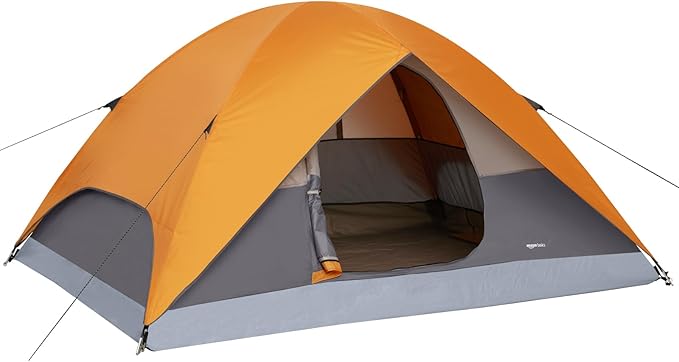
| Amazon Basics 3-Season Dome Tent | Two-climber base camp | Car camping | ~8 minutes |
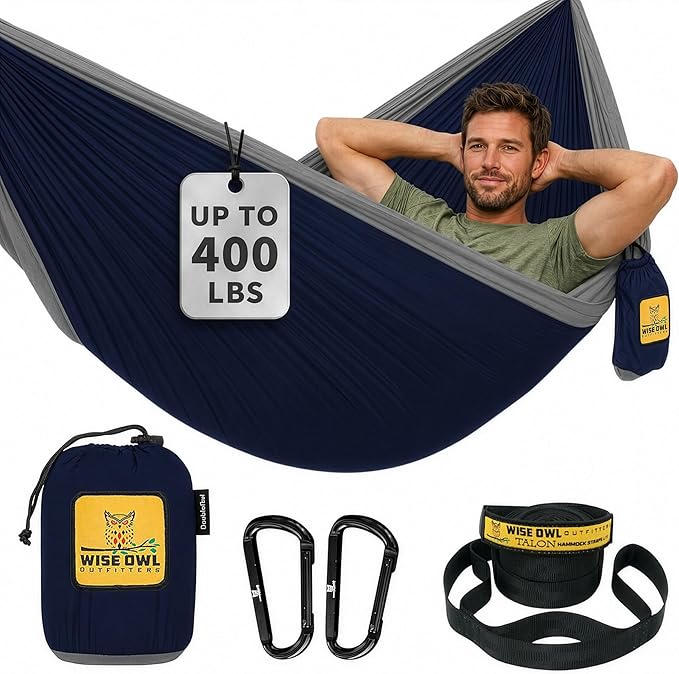
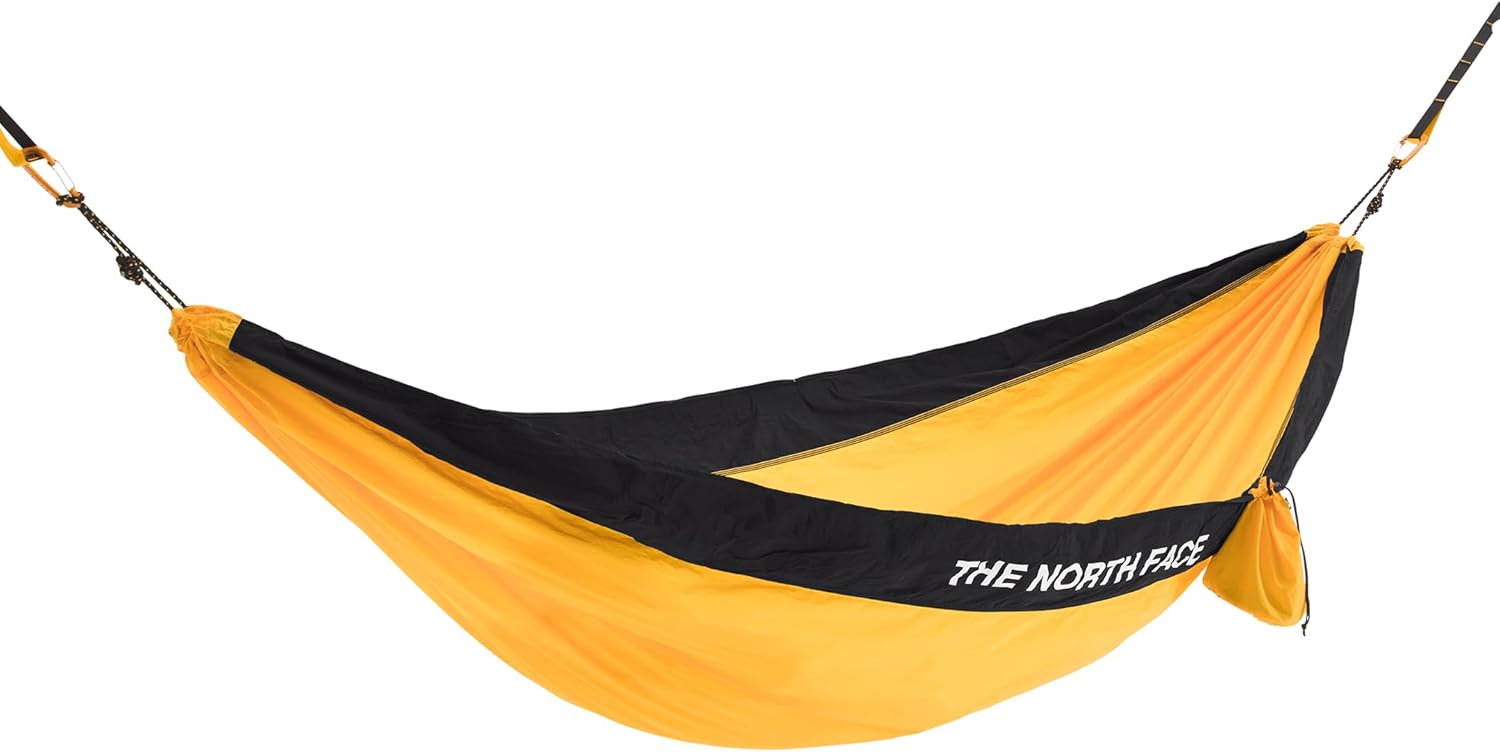
| Wise Owl Outfitters Camping Hammock | Rest day naps & belay-area lounging | Ultralight (under 1 lb) | ~3 minutes |
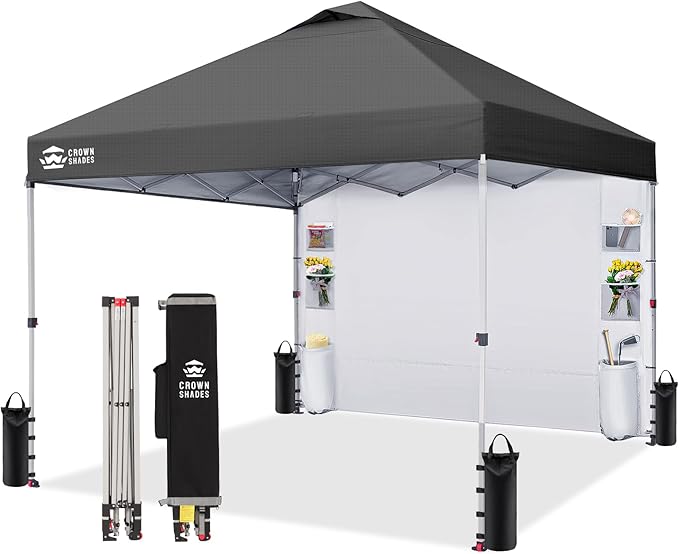
| CROWN SHADES 10x10 Pop Up Canopy | Shaded gear-staging area | Car camping | ~2 minutes |
Amazon Basics 3-Season Dome Camping Tent with Rainfly
Climbers spend the night before a big route obsessing over the rack - they do not need to also obsess over their shelter. This 3-season dome is the no-drama base-camp tent: a generous rainfly for the inevitable afternoon thunderstorm at desert towers, mesh panels for ventilation when you're cooking inside, and a footprint big enough to sprawl out the rope, harness, and helmet without playing Tetris. Pitching is fast enough that you can be inside drinking instant coffee within ten minutes of pulling into the lot. Check current pricing here: Amazon Basics 3-Season Dome Tent.
Wise Owl Outfitters Camping Hammock with Tree Straps
A hammock is the most underrated piece of climbing camp gear. Strung between two trees at the cragside, it gives you a place to nap between burns, decompress your spine after hanging belays, and rehab a tweaked finger while your partner finishes the project. Rated to 500 pounds with two climbers and a rope bag, the Wise Owl packs down to the size of a softball and weighs less than a sandbag draw. The included tree straps protect bark - essential at access-sensitive crags. Pick it up here: Wise Owl Outfitters Camping Hammock.
CROWN SHADES 10x10 Pop Up Canopy Tent with Pockets
For groups setting up a long weekend at a destination crag, a canopy turns the gravel lot into civilization. The CROWN SHADES pops up in about two minutes, the integrated mesh pockets keep guidebooks and tape rolls off the dirt, and the 100 square feet of shade is enough for four climbers to rack up out of the sun before a morning project. Worth the trunk space if you climb in the desert or the Southeast in summer: CROWN SHADES 10x10 Pop Up Canopy.
Mounting your headlamp on a climbing helmet, step by step
Most climbers get this wrong the first time and end up with the lamp pointed at their feet or sliding into their eyes on the first pitch. Do it right once and never think about it again:
- Loosen the headlamp strap fully. Remove any rear battery clip.
- Thread the strap through the two front clips on your helmet from the outside, going under the helmet shell and back out.
- Repeat at the rear clips. The strap should now run along the outside of the helmet in a continuous loop.
- Tighten so there is no slack but the strap does not deform the helmet shell.
- Tilt the housing down 30-45 degrees and verify the beam lands where you look, not where you tilt your head.
For more cold-weather strategies, see our guide to choosing headlamp batteries for cold weather climbing.
Frequently Asked Questions
How many lumens do I actually need for night rock climbing?
For trad and sport climbing in the dark, 300-500 lumens on the spot beam is the sweet spot. Below 200 lumens you will struggle to spot bolts and chalk at distance; above 700 lumens you are wasting battery and washing out close-range detail at the belay. Carry a backup with at least 100 lumens for emergency descents.
Can I use a trail-running headlamp on a climbing helmet?
Sometimes, but expect compromises. Trail-running lamps often use a rear battery pack or a wide three-panel strap, both of which interfere with a climbing helmet's foam liner and clip system. If the strap is a single elastic band under 22 mm wide and the battery sits on top of the housing rather than at the rear of the skull, it will usually work fine on a helmet.
Are rechargeable headlamps reliable for multi-day alpine climbs?
For one- or two-day pushes, yes - top up the battery from a small power bank at camp. For trips longer than three days or anything that goes deep cold (below 20F), pick a dual-fuel model that accepts both rechargeable and AAA batteries. Lithium primary AAAs (not alkaline) hold capacity in cold far better than any built-in pack.
What IPX rating should a climber's headlamp have?
IPX4 is acceptable for fair-weather cragging. IPX7 is the practical minimum for alpine, sea-cliff, or canyoneering use where the lamp might be submerged briefly in stream crossings or splashed by a waterfall. Anything labeled "water resistant" without a numeric rating should be assumed to fail in heavy rain.
How do I keep my headlamp from accidentally turning on inside my pack?
Buy a model with a dedicated lock mode - most quality climbing lamps have this. As a backup, reverse one battery or simply flip the lamp so the housing faces inward against the strap. A dead battery at the bottom of the approach is the single most common preventable epic in climbing.
Do I need a red-light mode for climbing?
Yes, if you climb with partners or sleep in shared bivies. Red light preserves dilated night vision so your partner can keep belaying without being flash-blinded when you check your harness loops. It is also dramatically less disruptive at a crowded bivy ledge or alpine hut.
What is the lightest headlamp that still works for technical climbing?
The current lightweight benchmark for 2026 sits around 75-85 grams for a 350-lumen rechargeable. Below that, you start sacrificing either runtime, beam throw, or weather sealing. For most climbers under 90 grams is the right target - heavy enough to hold up, light enough to forget on your helmet for a full day.
Key Takeaways
- Choosing the right best headlamp for rock climbers with helmet compatibility means matching capacity and output ports to your actual devices
- Always check actual watt-hours (Wh), not just watts — runtime depends on Wh, not peak output
- Also covers: headlamp for multipitch climbing helmet
- Also covers: climbing helmet compatible headlamp
- Also covers: headlamp for alpine climbers helmet mount
- Compare price-per-Wh across models to find the best value for your budget