Most bivy thru-hikers hit a wall around northern New Mexico on the Continental Divide Trail when monsoon walls of water, swarming mosquitoes above 11,000 feet, and lingering snowpack in the San Juans make a coffin-shaped sack feel less like minimalism and more like masochism. The best tent for bivy campers transitioning to floored shelter on CDT is one that holds the weight savings you came for, adds a real bathtub floor against ground splash, and gives you enough vestibule room to ride out a hail squall without crawling out in your puffy. We break down what changes when you swap a Gore-Tex bivy for a freestanding or semi-freestanding tent, then we pick the shelters that survive Colorado afternoons in 2026.
Why bivy veterans struggle with their first tent on the CDT
Top Picks
If you cowboy-camped Pie Town to Cuba in a 12-ounce bivy, the jump to a 3-pound tent feels like dragging a piano. The mental adjustment is bigger than the physical one. You stop scanning for flat granite slabs and start hunting tent-shaped patches free of softball-sized rocks. You learn that a real floor changes your condensation calculus completely because your warm exhale now bounces off a coated nylon ceiling instead of escaping straight into the sky. And the CDT in particular punishes shelter mistakes: the spine of the Rockies serves up afternoon thunderstorms above treeline almost daily from late June through August, and a bivy hiker who waited too long to make the switch will get force-marched off Indiana Pass by lightning.
When shopping for best tent for bivy campers transitioning to floored shelter on CDT, it pays to compare specs, capacity, and real-world runtime before committing.
The transition shelter is not your forever tent. It is the rig that bridges between fast-and-light bivy logic and the eventual purpose-built ultralight trekking-pole shelter you may graduate to. That means the calculus is not raw grams but ease of pitch, freestanding behavior on tundra and granite where stakes won't bite, real bug protection, and a footprint small enough to slip into the unimproved sites along the divide.
What to look for in a CDT transition shelter
The best tent for bivy campers transitioning to floored shelter on CDT shares six features regardless of brand. First, a true bathtub floor with at least 4-inch sidewalls to keep ground splatter and parking-lot puddle camping from soaking your quilt. Second, a full coverage rainfly that comes to within an inch of the ground, not the half-fly designs that work fine in dry Sierra summers but fail in afternoon graupel. Third, freestanding or semi-freestanding poles so you can pitch on slabs of granite, packed snow, or duff where stakes are unreliable. Fourth, two doors, because climbing over a sleeping partner at 2 a.m. to relieve yourself in a thunderstorm is a CDT-specific form of misery. Fifth, vestibules deep enough to stash a wet pack and cook a meal in the rain. Sixth, weight under five pounds packed including stakes and guylines for the two-person versions, or under four for solo shelters.
For first-time tent buyers coming off bivy life, the most common mistake is overspending on a $700 sub-two-pound shelter before knowing whether you actually like sleeping under fabric. A workhorse dome tent in the $80 to $150 range will tell you what you want from your forever shelter without locking you in. Learn more in our ultralight vs budget tent breakdown for thru-hikers before you spend the rent money.
Comparison: floored shelters that work for CDT transition hikers
| Shelter | Type | Sleeps | Packed weight | Best CDT use |
|---|---|---|---|---|
| Amazon Basics 3-Season Dome with Rainfly | Freestanding dome | 2-4 person sizes | 5 lb (2P) | First-tent transition, base camp, resupply town basecamp |
| Wise Owl Outfitters Camping Hammock | Hammock with straps | 1 | 1.3 lb | Lower-elevation forested sections in NM and southern CO |
Top picks for bivy hikers stepping into a floored tent
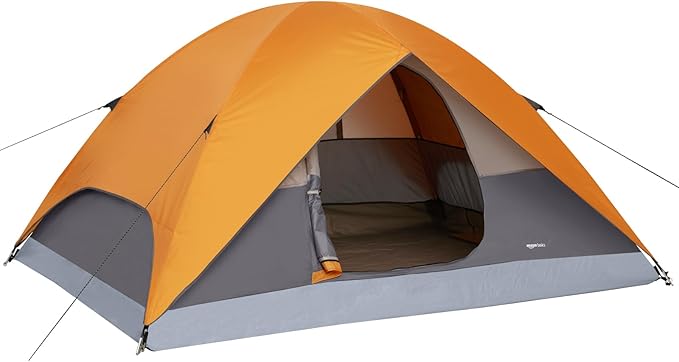
Amazon Basics 3-Season Dome Camping Tent with Rainfly
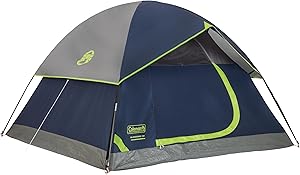
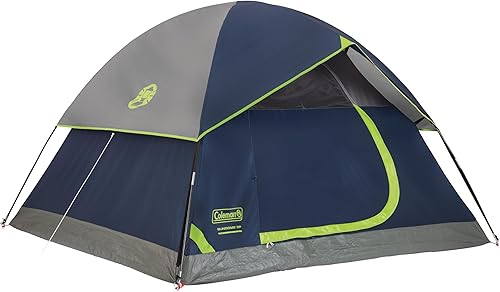
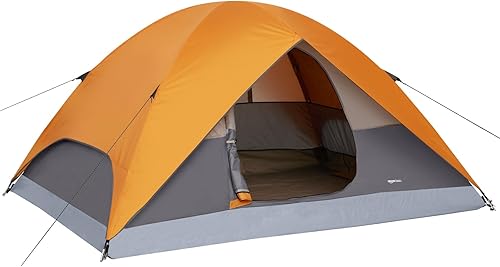
This is the realistic answer for a bivy hiker who wants a real floor without dropping six bills on a Big Agnes Copper Spur clone they haven't earned yet. It is a classic two-pole crossed-dome design with a full coverage rainfly, a bathtub floor with taped seams, and mesh upper walls that handle the condensation problem bivy hikers chronically underestimate. Pitch time is under four minutes once you have done it twice, which matters when the afternoon storm rolls into the Cochetopa Hills and you need to be tied off before the first lightning. The two-person size lands around five pounds packed, which is heavy by 2026 cottage-industry standards but light enough for a CDT southbound where you have plenty of resupplies to dump weight at if you decide to upgrade. The three-person sells for almost the same price and gives a solo hiker palace-level room for a gear explosion, which is the right call if you cowboy-camped the southern half and want to feel like you upgraded to a studio apartment. Buy it at Amazon Basics Camping Tent, 3-Season Dome Design with Rainfl and run it the first season before you commit to a $500 trekking-pole shelter.
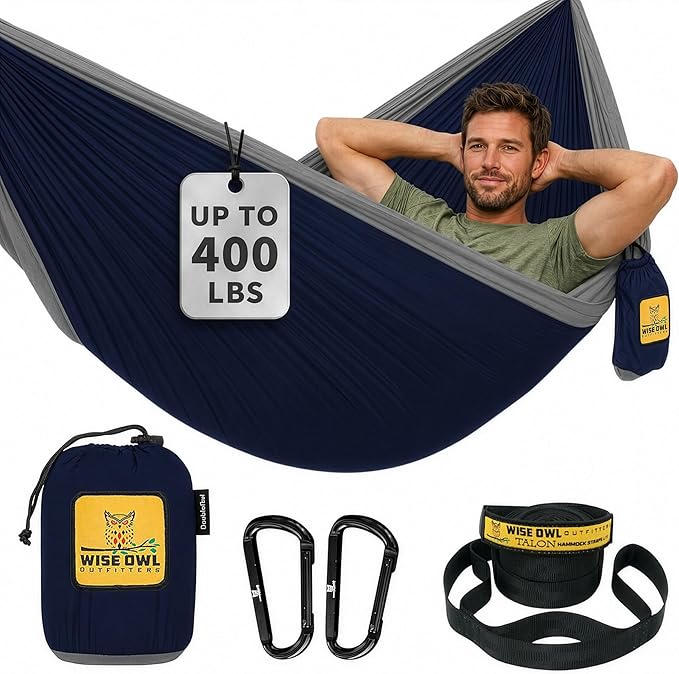
Wise Owl Outfitters Camping Hammock with Tree Straps
Not every CDT mile is above treeline. The southern New Mexico bootheel, the Gila Wilderness alternate, the long Wyoming basin sections that have actual cottonwoods at the cattle tanks, and the southern Colorado forest miles all reward a hammock that gets you off snake-and-scorpion ground without the floor-pitch hassle of a tent on uneven duff. This is a budget option that does what it says: 500-pound capacity, included tree straps so you are not killing bark with paracord, and a stuff sack small enough to live in your hip belt pocket. It is not your only shelter for a Continental Divide thru-hike, but it pairs well with a tent at home base or works as a porch nap rig at high-elevation huts. For bivy hikers who want to keep one foot in the minimalist camp while learning to love a floor, sleeping in a hammock for the forested 30 percent of the trail is a sensible halfway step. Pick it up at Wise Owl Outfitters Camping Hammock – 500lbs Portable Hammoc.
How to pitch your first real tent like a bivy hiker
The pitch habits you built sleeping out are mostly transferable. You still scan for slope, watch for dead branches overhead, and stay off the obvious cold-air drainage. What changes: you need to find a pad of real estate roughly 90 by 60 inches that is free of rocks and roots, not just a coffin-sized strip. Above treeline on the Divide that becomes hard. Use the freestanding capability to pitch on duff or packed dirt where stakes won't bite, then weight the corners with rocks the size of grapefruits. Always stake out the rainfly even if the sky is clear at sundown, because the Rockies cook up surprise convective storms after midnight more often than the forecast admits.
The condensation lesson is the hardest. A bivy breathes through its shell because your body heat directly drives moisture out the membrane. A tent traps your breath inside an enclosed volume, and on a 30-degree night above 10,000 feet you will wake to interior frost dripping on your face. Crack both vestibule doors an inch and run cross-ventilation. Skip the inner-tent cooking that backpacking magazines glamorize. And carry a 9-by-12-inch microfiber pack towel dedicated to swabbing condensation off the inner fly before you pack.
Storm protocol on the CDT
The Continental Divide Trail's signature hazard is the afternoon thunderstorm sequence that builds reliably between 1 and 4 p.m. June through September. Bivy hikers learn to bail off ridges by noon. Tent hikers can keep that habit but also need to know how their shelter behaves once they pitch. Dome tents do not love high wind. The 5-pound Amazon Basics dome will handle sustained 25 mph gusts if you stake all four corners and tension the rainfly properly, but it is not a high-camp Hilleberg replacement. Treat your transition tent as a treeline-and-below shelter, plan your campsites in the shoulder of the day, and use natural windbreaks like krummholz stands and rock walls when you are stuck above. Check our CDT weather windows and shelter strategy guide for the month-by-month playbook.
Frequently Asked Questions
Is a freestanding tent overkill for someone coming off a bivy on the CDT?
No. The freestanding pole structure is the single feature bivy hikers most underestimate when they first transition. The Continental Divide has long stretches of granite slab camping in the Wind Rivers, packed snow camping in early-season San Juans, and tundra above treeline in Colorado where stakes do not hold. A freestanding dome lets you pitch on those surfaces and weight corners with rocks, while semi-freestanding and trekking-pole shelters require dependable stake purchase. Save the trekking-pole shelter for after your transition season once you have learned where stake-out is reliable.
What is the cheapest floored tent that will survive a CDT thru-hike?
Around $90 to $130 for the Amazon Basics dome line is the realistic bottom of the market for a tent with a sealed bathtub floor, full rainfly, and durable fiberglass poles. Below that you are buying car-camping tents whose flies will leak after a few hard storms, or single-wall imports that condense badly. The Amazon Basics line is not what you replace your shelter with for the next thru, but it is the right answer for one full CDT season and a few weekend trips on either side.
Can I keep using my bivy and just add a floor or footprint?
A polycro groundsheet under a bivy helps with abrasion and ground moisture wicking, but it does not solve the real reasons bivy hikers swap to tents on the CDT: vestibule space for wet gear, cooking shelter during all-day rain, headroom for changing clothes, and bug protection during the worst mosquito stretches in southern Montana. If you only need ground protection, a footprint is fine. If you need to survive a four-hour graupel storm pinned down at 12,500 feet, you need walls and a vestibule.
How heavy is too heavy for a CDT transition tent?
Five pounds packed for a two-person shelter is the practical ceiling for thru-hikers carrying a full kit. Solo hikers can stretch to four pounds. Above that you start cutting into the daily-mileage budget that the CDT's length demands. The Amazon Basics 2P dome lands at the ceiling, which is acceptable for a first tent because you offset it by carrying less of everything else as your bivy-trained discipline kicks back in.
Do I need a four-season tent for early-season CDT southbound?
Probably not. Even early-season Glacier and Yellowstone snowpack rarely demands true four-season construction, which is built for sustained subzero wind. A 3-season tent with a full coverage fly and steep wall geometry handles spring snowstorms if you pitch in protected terrain. Save the four-season weight penalty for actual mountaineering. Our three-season versus four-season tent breakdown covers the thresholds.
What is the right footprint size for a CDT tent site?
Plan for a 90-by-60-inch flat area for a two-person tent. CDT sites are often unimproved, which means you will spend more time scouting than on the AT or PCT. A smaller-footprint shelter wins on the Divide. The Amazon Basics 2P dome at roughly 86 by 60 inches is on the smaller end of mainstream domes, which is part of why it works for the transition role.
How long will a budget transition tent last before I need to replace it?
Expect 800 to 1,200 nights of use from a $100 dome tent if you treat the floor with respect, never store it wet, and patch small punctures as they appear. That covers one CDT thru-hike with several hundred nights of slack to spare. The failure mode is usually the rainfly coating delaminating after long UV exposure rather than catastrophic pole failure. When the fly starts beading less and wetting through, retire it and upgrade.
Key Takeaways
- Choosing the right best tent for bivy campers transitioning to floored shelter on CDT means matching capacity and output ports to your actual devices
- Always check actual watt-hours (Wh), not just watts — runtime depends on Wh, not peak output
- Also covers: lightweight floored tent for former bivy users
- Also covers: CDT thru hiker tent upgrade from bivy sack
- Also covers: minimalist tent for ex-bivy continental divide hikers
- Compare price-per-Wh across models to find the best value for your budget