Top Picks
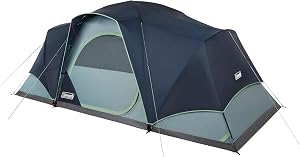
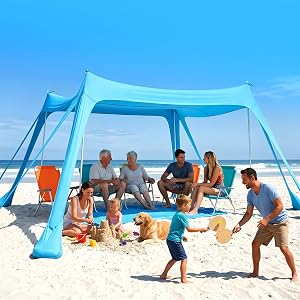
Mistake #2: Buying for the Trip You Imagine, Not the Trip You'll Take
We all dream of summiting Everest. Most of us camp 45 minutes from home.
Before buying anything, ask:
- Where will I actually camp? (Car . backpacking are very different)
- When will I camp? (Summer warriors
- How often will I really go? (Be honest with yourself)
The Reality Check Box
| Trip Type | Tent Weight Matters? | Splurge Priority |
|---|
The Truth Nobody Tells You About Budget
Picture this: You're three miles from your car, the sky just opened up, and your $40 "waterproof" tent is leaking like a colander. Your sleeping bag? Soaked. Your morale? Lower than the temperature.
We've all been there — or we're about to be.
The great outdoors doesn't care about your budget, but here's the good news: smart . It means knowing exactly which corners you can cut and which ones will leave you shivering at 3 AM, questioning every life decision that led you here.
This guide is your shortcut to gearing up smart, saving hundreds, and actually enjoying your time outside.
> "The best ."
Featured recommendations from our review database — direct Amazon links below.
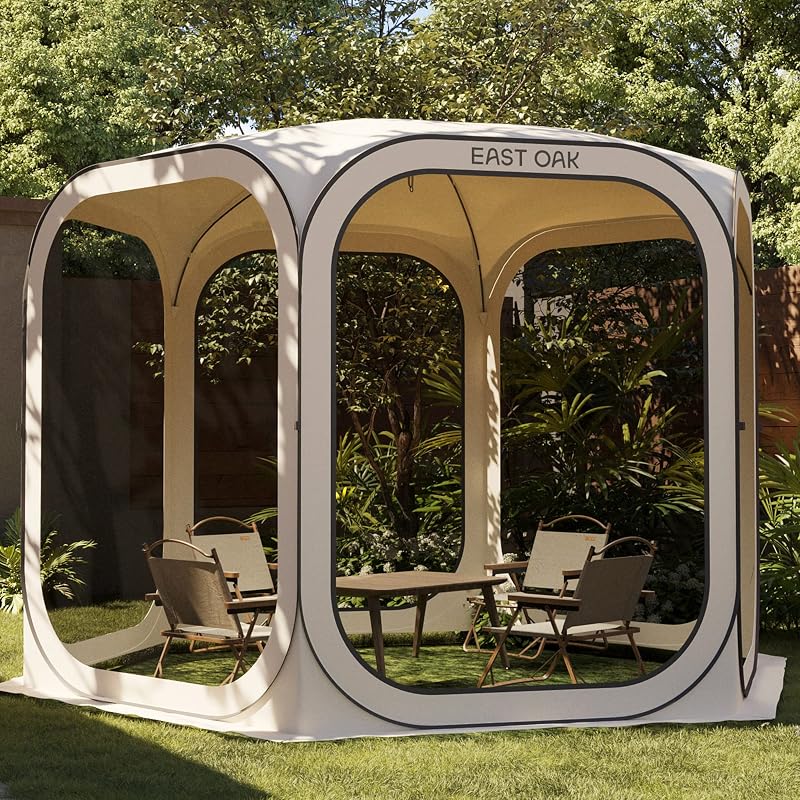
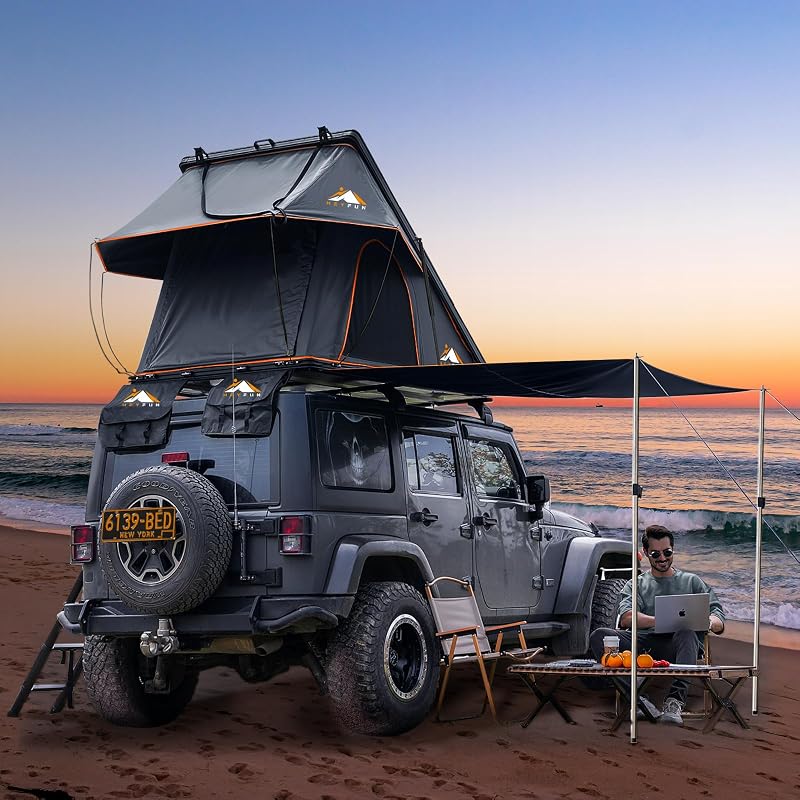
Featured recommendations from our review database — direct Amazon links below.
Why Most Beginners Waste Money (And How to Stop)
The Stat That Should Scare You
73% of first-time campers overspend on their initial gear setup — and nearly half of that gear ends up unused, broken, or replaced within a single season. That's hundreds of dollars vanishing into the void of impulse buys and marketing hype.
The culprit? Three deadly mistakes:
- Buying everything brand new at once
- Falling for flashy features you'll never use
- Ignoring the gear that actually matters
Mistake #1: Going Too Cheap on the Big Three
There are exactly three pieces of gear you should never skimp on:
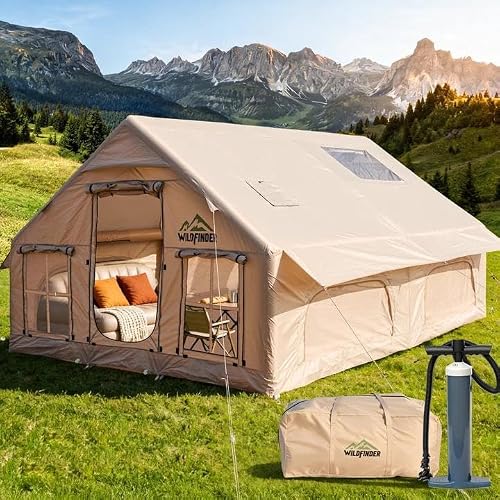
- Your tent — your shelter from wind, rain, and creepy crawlies
- Your sleeping bag — the difference between rest and regret
- Your sleeping pad — yes, this matters more than your sleeping bag
Expert Tip: The 60/30/10 Rule
 > Spend 60% of your budget on the Big Three. 30% on cooking and lighting. 10% on the extras. Most beginners do the exact opposite — and pay the price.
A $30 mystery-brand tent might look identical to a $150 reputable tent in photos. It's not. One survives a windy night. The other becomes a kite.
Watch: How to Choose
Before you spend another dollar, watch this breakdown — it'll save you from the most common (and expensive) beginner traps:
| Car | Weekend Backpacking | Yes | Weight & durability | | Festival | Cold Weather | Yes | Insulation rating |Mistake #3: Ignoring the Used Gear Goldmine
Here's a secret the outdoor industry doesn't advertise: the used gear market is incredible.
Where to score quality gear for 40-70% off:
- REI Used Gear — returned items, fully inspected
- Facebook Marketplace — local pickup gold
- GearTrade & OutdoorsGeek — specialty resale platforms
- End-of-season sales — August and September are magic months
- Pro tip: Check garage sales near hiking trailheads
Mistake #4: Falling for "Feature Bait"
That headlamp with 17 light modes? You'll use two.
That multi-tool with a corkscrew, fish scaler, and built-in flashlight? It weighs a pound and does everything poorly.
Power Principle: Buy gear that does one job extraordinarily well over gear that does ten things poorly.
Features That Actually Matter
- Tent: Waterproof rating (1500mm minimum) and easy setup
- Sleeping bag: Accurate temperature rating (look for EN/ISO certified)
- Backpack: Proper torso fit, not size or color
- Stove: Boil time and fuel efficiency, not number of burners
The Budget Camper's Starter Kit (Under $300)
Here's a real, tested setup that won't betray you:
Shelter & Sleep ($180)
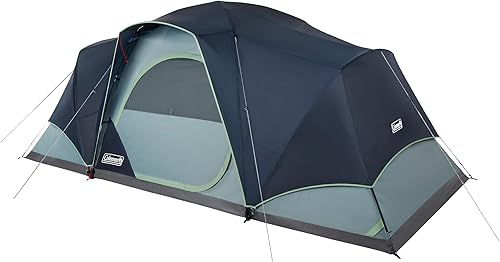
- Decent 2-person tent: $80-100
- 30-degree sleeping bag: $50-70
- Foam sleeping pad: $20-30
- Single-burner canister stove: $25
- Lightweight cookset: $20
- Headlamp (reputable brand): $25
- Water filter or purification tablets: $20
- Basic first aid kit: $15
- Multi-tool (simple, not gimmicky): $15
Watch: Budget
See a complete budget setup in action — what to buy, what to skip, and what to upgrade later:
Key Takeaways: Burn These Into Your Memory
- Quality over quantity on the Big Three: tent, bag, pad
- Buy used for 90% of your gear without shame
- Match gear to your real trips, not your fantasy ones
- Avoid feature bait — simple gear lasts longer
- Wait for end-of-season sales (August-September are gold)
- Test gear in your backyard before trusting it in the wild
The Bottom Line
Budget . Every dollar you save on gimmicks is a dollar you can spend on actual adventures: gas money, campground fees, that ridiculous campfire mug you actually want.
The wilderness rewards preparation, not price tags.
Now get out there. Your campsite is waiting.
> Final Word: The best camper isn't the one with the most expensive gear. It's the one who actually shows up.
Related Reviews
Key Takeaways
- Choosing the right budget camping gear guide means matching the key features to your specific needs and budget
- Read real customer reviews and check the return policy before you commit
- Also covers: affordable camping equipment
- Also covers: camping gear mistakes to avoid
- Also covers: cheap vs expensive camping gear
- Compare value across models — the priciest option is not always the best fit
