If a pole segment on your Big Agnes Copper Spur suddenly droops, dangles, or refuses to align, the elastic shock cord running through the pole is shot. Knowing how to repair big agnes copper spur pole shock cord backcountry is one of those skills that separates a salvaged trip from a soggy bivy night. The fix is genuinely doable with a small repair kit, a multitool, and 20 minutes — no special shop press, no shipping the poles back to Steamboat Springs. Below is the exact field procedure I use on UL3 and HV UL2 Copper Spurs, plus the materials, knots, and backup-shelter gear that keep the rest of the trip moving.
Quick answer: the 6-step backcountry shock cord repair
Top Picks

You can repair Copper Spur shock cord in the field with replacement 2mm elastic cord, a small knife or scissors, and a lighter. Pull the old cord out from the male-tip end, thread new cord through every segment, pre-stretch it to 80% of pole length, tie a double overhand stopper knot at each end, seat the knots into the end caps, and reassemble. The whole job takes 15-25 minutes once you have done it once.
When shopping for how to repair big agnes copper spur pole shock cord backcountry, it pays to compare specs, capacity, and real-world runtime before committing.
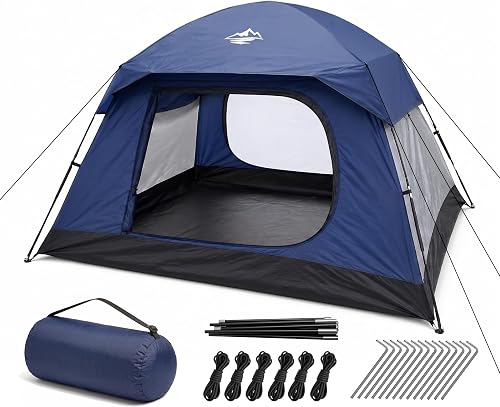
That is the executive summary. The rest of this guide walks through every step, the failure modes you will see on the trail, what to carry so you are never caught out, and the backup-shelter options worth stashing for when a pole catastrophe is beyond a cord swap.

Why Big Agnes Copper Spur shock cords fail
The DAC Featherlite NFL and NSL poles that ship on the Copper Spur HV UL line use a continuous internal shock cord that runs the full length of the pole set. Over roughly 150-300 nights of use, three things degrade the elastic:
- UV exposure through repeated drying-out sessions on the tent lawn. UV is the single biggest killer of polyester-sheathed rubber cord.
- Salt and grit from coastal trips and desert sand abrading the rubber core inside the segments.
- Heat cycling — leaving a packed tent in a hot car trunk softens the rubber and bakes the elasticity out of it.
The symptom progression is predictable: poles take longer to snap together, then segments hang loose, then the cord finally parts. If you have noticed your Copper Spur is "floppier" at setup than it was last season, your shock cord has 10-30 nights left in it. Replace it before a trip, not on one.
What to carry in your repair kit
For a sub-2-ounce repair kit that handles Copper Spur shock cord failures, pack:
- 2-3 meters of 2mm replacement shock cord (DAC sells it; generic 2mm elastic also works in a pinch)
- A small tent pole repair splint (the silver sleeve Big Agnes ships with new tents — keep it)
- Mini scissors or a sharp knife
- A mini Bic lighter to melt-seal the cord ends
- One spare pole tip if you can source one — the brass tips can pop off when the cord lets go suddenly
- 2-3 feet of Tenacious Tape for fly or floor damage discovered during repair
If you want a tested loadout for longer expeditions, the ultralight tent repair kit list for 2026 covers exactly what fits in a single sandwich-size dry bag.
Step-by-step: repairing the shock cord in the field
Step 1 — Lay out the pole set in segment order
Disassemble the broken pole fully, but keep the segments in the order they came apart. Copper Spur poles use mixed diameters (the hub, ridge, and brow poles are not interchangeable). Photograph the layout on your phone before you start so reassembly is foolproof.

Step 2 — Extract the old cord
One end of the pole has a fixed brass or aluminum tip; the other has a removable end cap with the shock cord tied off behind it. Pry the removable cap (a small flathead or the corner of a knife works), pull the knot out, and yank the old cord straight through. If the cord has snapped mid-pole, push it out segment by segment using a thin twig or a tent stake.
Step 3 — Measure the new cord
Lay your new 2mm cord alongside the assembled pole and cut it to 80% of the pole's full assembled length. That pre-tension is what gives Copper Spur poles their satisfying snap-together action. Cut too long and segments sag; cut too short and you will fight the pole every setup and stress the ferrules.
Step 4 — Melt-seal both ends
Use the lighter to briefly melt each cut end of the cord. This prevents fraying and stops the polyester sheath from sliding off the rubber core. Two seconds of flame is plenty — you want a small bead, not a charred lump.
Step 5 — Thread, tie, seat
Thread the cord through every segment in order. Tie a double overhand stopper knot at one end, seat it into the end cap, and push the cap home. At the other end, pre-stretch the cord by pulling all segments fully apart, then tie a second double overhand knot tight against the end cap. Tuck and seat. A bowline works too if you prefer; the double overhand is just faster cold-fingered.
Step 6 — Test snap
Toss the pole gently — a healthy Copper Spur pole snaps itself into shape in one fluid motion when shaken. If segments hang or refuse to seat, your cord is too long. Re-tie 1 cm shorter and retest.
Field hacks when you do not have replacement cord
If your shock cord parted and you have nothing in the repair kit, you still have options:
- Paracord substitution: Strip the inner cores out of 3 feet of 550 paracord and use the outer sheath as a non-elastic guideline through the pole. Segments will not auto-snap but you can manually align and tape them with a few wraps of Tenacious Tape per joint. Ugly, but it shelters you for the night.
- Splint-and-tape mode: Slide the silver repair sleeve over the failed joint, tape the segments rigid at each ferrule, and pitch the tent freestanding. The fly tension does most of the structural work on a Copper Spur HV anyway.
- Trekking-pole pitch: If only the ridge pole is dead, you can pitch the fly alone over a single trekking pole as a half-pyramid. Floorless, but dry.
When to abandon the repair and switch to a backup shelter
If you snap a pole segment itself (not just the cord), if a ferrule splits, or if you are above treeline in a storm and cannot work the repair, switch shelter mode immediately. Hypothermia beats stubbornness every time. For trips where weight allows, I carry a backup option — usually a hammock-and-tarp system for forested approaches, or pack a cheap car-camping tent at the trailhead for basecamp repair sessions.
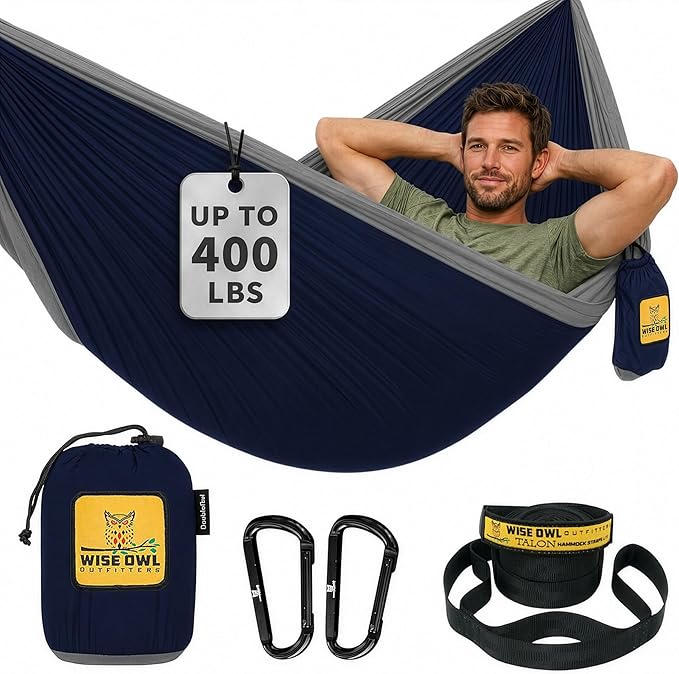
Wise Owl Outfitters Camping Hammock
For forested backcountry, a hammock weighs less than a pound and gets you off the ground while you fix the tent in daylight the next morning. The Wise Owl supports 500 lbs, includes tree straps, and packs to grapefruit size. It is my go-to "tent-died" backup for any trip with trees. Check the Wise Owl Outfitters Camping Hammock on Amazon.
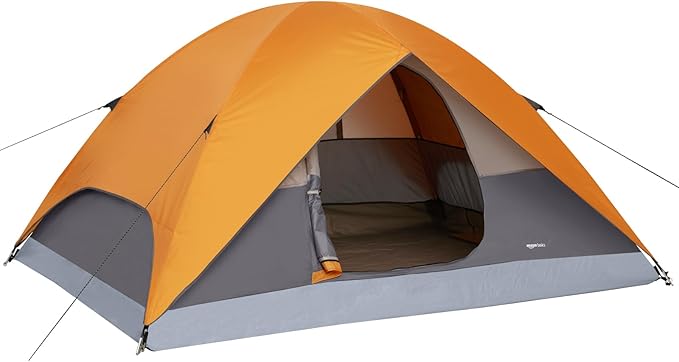
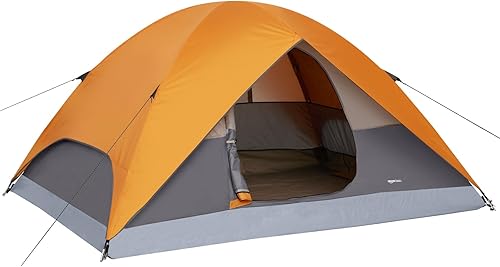
Amazon Basics 3-Season Dome Camping Tent
For car-accessible basecamps where you want a cheap loaner tent to leave in the trunk while the Copper Spur is in repair mode, the Amazon Basics dome with rainfly is the lowest-friction option. It is not a backcountry tent — too heavy and too bulky — but for "something dry while I fix the good tent" duty, it is hard to beat the price. See the Amazon Basics 3-Season Dome Tent on Amazon.
Backup shelter comparison
| Option | Weight | Best for | Setup time | Price tier |
|---|---|---|---|---|
| Wise Owl Hammock + straps | ~26 oz | Forested backcountry backup | 3-5 min | $ |
| Amazon Basics Dome Tent | ~7 lb | Trailhead / basecamp loaner | 8-10 min | $ |
| Copper Spur fly + trekking pole | ~20 oz | Above-treeline emergency | 5 min | (already own) |
Preventive maintenance to stop the next failure
The single biggest extension of shock cord life is drying poles fully before storage and storing them loose, not folded under tension. After every trip:
- Pull poles fully out of the bag and lay them flat in a shaded room for 24 hours.
- Wipe ferrules with a dry microfiber to clear grit.
- Store the pole bag in a cool closet, never a car trunk or attic.
- Every 50 nights, do a stretch test — fully assembled, segments should snap home with a clean "tick." If they crawl in slowly, schedule a swap.
For more on extending the life of a UL tent, the Big Agnes Copper Spur care guide covers floor patching, zipper lube, and DWR refresh cycles.
Frequently Asked Questions
What size shock cord does the Big Agnes Copper Spur use?
The Copper Spur HV UL2 and UL3 poles use 2mm polyester-sheathed shock cord. DAC sells the OEM cord, but any quality 2mm elastic cord — Liberty Mountain's replacement spool is the most common third-party option — works identically. Avoid 1.8mm (too loose in the segments) and 2.5mm (too thick to thread).
How long should I cut replacement shock cord for Copper Spur poles?
Cut to roughly 80% of the pole's fully assembled length. For a Copper Spur HV UL2 main pole that's about 92-94 cm of cord; for the UL3 it's about 108-112 cm. Always measure your specific pole, since hub and ridge poles vary. Pre-stretch the cord before tying the final knot to lock in the tension.
Can I repair a Big Agnes Copper Spur pole shock cord without disassembling the whole pole?
Not really. The cord is one continuous piece threaded through every segment. Even if only one end of the cord broke, you have to extract the entire length to retie it, which means popping the end cap and pulling the cord through every segment. The good news is reassembly is fast once you have the new cord cut and sealed.
What knot is best for tying off tent pole shock cord?
A double overhand stopper knot is the standard. It is small enough to seat into the Copper Spur end cap, holds 2mm elastic under tension without slipping, and you can tie it cold-fingered. A figure-eight is overkill and too bulky. Whatever knot you choose, melt-seal the cord tail with a lighter so it cannot back out.
Will Big Agnes warranty a broken shock cord?
Shock cord is considered a wear item, not a defect, so it is typically not covered under warranty. Big Agnes will repair a pole set for a flat shop fee (around $15-25 in 2026), but for a backcountry-capable user, learning to do it yourself is faster, cheaper, and a critical wilderness skill. Keep the receipt if your tent is under a year old and the cord failed unusually early — they have been known to make exceptions.
Can I use bungee cord instead of shock cord for tent poles?
In an emergency, yes. Strip the cover off thin bungee cord (sold as "mini bungee" at most hardware stores) and use the elastic core. Long-term it will fail faster than proper polyester-sheathed shock cord because hardware-store bungee is rated for UV-exposed cargo use, not the heat-cycled, repeatedly-stretched life inside a tent pole. Replace with real 2mm shock cord at the next opportunity.
How often should I replace the shock cord in my tent poles?
For a Copper Spur seeing moderate use (30-50 nights a year), plan on a shock cord refresh every 4-6 years. Heavy users on multi-month thru-hikes should swap annually. The cheap, fast test: assemble the pole and let it dangle — if any segment hangs more than a few millimeters proud of its joint, it's time. Knowing how to repair big agnes copper spur pole shock cord backcountry means you can do it on schedule at home, not as an emergency in the rain.
The bottom line
A failed shock cord sounds catastrophic the first time it happens at camp, but it is one of the most repairable failures in the entire UL tent world. With 2 meters of cord, a knife, a lighter, and 20 minutes, you have your Copper Spur back to factory snap. Carry the kit, do the maintenance, and stash a backup shelter for the genuinely bad days — and you will never lose a trip to a pole problem again. For more field repairs, see our backcountry gear repair skills guide for 2026.
Key Takeaways
- Choosing the right how to repair big agnes copper spur pole shock cord backcountry means matching capacity and output ports to your actual devices
- Always check actual watt-hours (Wh), not just watts — runtime depends on Wh, not peak output
- Also covers: replace copper spur tent pole elastic
- Also covers: field repair big agnes shock cord
- Also covers: trail fix broken tent pole cord
- Compare price-per-Wh across models to find the best value for your budget