For solo bikepackers counting grams, the Jetboil Flash vs Primus Lite Plus bikepacking debate comes down to roughly 70 grams, 30 seconds of boil time, and how much you value an integrated heat exchanger versus a slightly smaller packed volume. The Jetboil Flash weighs around 371 g (13.1 oz) and boils 500 ml in about 100 seconds; the Primus Lite Plus sits at around 390 g (13.8 oz) with a boil time near 2:45 for the same volume. If you only ever heat water for dehydrated meals and instant coffee, the Flash wins on speed and fuel efficiency. If you want a stove that can actually simmer a real meal at a hut stop, the Lite Plus is the smarter pick.
Quick verdict for gram-counting bikepackers
The honest answer in the Jetboil Flash vs Primus Lite Plus bikepacking matchup is that both are excellent integrated canister systems and either will serve a fast-and-light solo rider well across a multi-day route. The Jetboil Flash is the better choice if your cooking workflow is “boil water, pour into a freezer-bag meal, drink coffee.” The Primus Lite Plus earns its slight weight penalty by giving you a wider, more stable pot that can handle pasta, couscous, or rehydrated rice without scorching, and its regulator valve performs noticeably better in cold mornings above 6,000 feet.
Head-to-head specs table
| Spec | Jetboil Flash | Primus Lite Plus |
|---|---|---|
| Total system weight | ~371 g (13.1 oz) | ~390 g (13.8 oz) |
| Pot volume | 1.0 L | 0.5 L |
| Boil time (500 ml) | ~1:40 | ~2:45 |
| Fuel efficiency (water per 100g canister) | ~12 L | ~14 L |
| Regulated valve | No (manual) | Yes |
| Cold-weather performance | Drops below 40°F | Strong to ~20°F |
| Piezo igniter | Yes | No (bring a lighter) |
| Simmer control | Poor | Good |
| Packed dimensions | 4.1 x 7.1 in | 4.5 x 5.5 in |
| Typical 2026 price | $130 | $160 |
Where each stove actually shines on the bike
Bikepacking is not backpacking. Your stove lives in a frame bag, a feed bag, or strapped to a fork cage—rarely inside a backpack against your spine. That means packed shape matters more than absolute volume, and how the system survives vibration on washboard gravel matters more than the marketing photo of a chef searing trout. Both stoves clear that bar, but they clear it differently.
Jetboil Flash: the “just add water” specialist
The Flash is the stove I reach for when I know the route is fast, the weather window is short, and every cooking session is just hot water for a Mountain House bag or a Snickers-and-coffee breakfast. The integrated piezo igniter means you can light it one-handed inside the vestibule of your tent without fishing for a lighter, which is a small luxury that adds up over a 10-day trip. The color-change heat indicator on the cozy is genuinely useful when you’re half-awake at 5 a.m. The downside is real, though: turn the dial down and it still roars. Anything thicker than instant oatmeal will scorch. And the 1.0 L cup, while taller, means a higher center of gravity on uneven ground—not great on a sloped Forest Service road campsite.
Primus Lite Plus: the cold-morning workhorse
The Lite Plus uses a pressure-regulated valve, which is the single most important feature you can have on a shoulder-season bikepacking trip. As a canister cools (and it cools fast at altitude), an unregulated stove like the Flash loses output dramatically. The Lite Plus holds a usable flame down into the low 20s Fahrenheit, which translates to consistent boil times whether it’s a sunny noon snack stop on the Great Divide or a frosty 6 a.m. start outside Salida. The shorter, wider pot is more stable on rocks, and the heat exchanger is just as efficient as Jetboil’s—arguably more so per gram of fuel burned. The trade-off is the smaller 0.5 L volume (one cup of coffee plus a small meal means two boils) and the lack of an igniter, so you’re carrying a mini Bic anyway.
Fuel math for a 7-day solo tour
This is where gram-counters should actually focus, because fuel weight dwarfs the 19-gram difference between the stoves themselves. Assume two boils per day (breakfast coffee + dinner rehydration), roughly 500 ml each, so 1 L of boiled water per day. Over seven days you need 7 L of boil capacity.
- Jetboil Flash: ~12 L per 100 g canister → one 100 g canister (110 g packaged) covers the trip with margin. Total fuel weight: 198 g.
- Primus Lite Plus: ~14 L per 100 g canister → same one 100 g canister, more margin. Total fuel weight: 198 g.
On a week-long trip the fuel cost difference is essentially zero. Push past 10 days, or into freezing nights, and the Lite Plus’s efficiency and regulator start saving you a half-canister—roughly 100 g. That’s when the Primus pays for its higher sticker price and slightly higher base weight.
Pack volume on a typical bikepacking rig
The Flash’s taller pot nests its 100 g canister and stabilizer inside, but the whole package is 7.1 inches long—awkward in a half-frame bag on a small or medium frame. The Lite Plus’s squatter footprint slides into a feed bag or a Revelate Mountain Feedbag with room to spare for a folding spork and a coffee filter. If you run a Tailfin AeroPack or strap your stove to a fork cage in a Salsa Anything cradle, both stoves fit fine inside a 1 L dry bag. Riders on smaller frames with limited frame-bag real estate will appreciate the Primus shape.
Complementary shelter and sleep gear worth considering
Your stove is one decision in a system. If you’re still finalizing the rest of your kit, two budget-friendly pieces are worth a look for sub-credit-card-touring setups where every dollar matters as much as every gram.
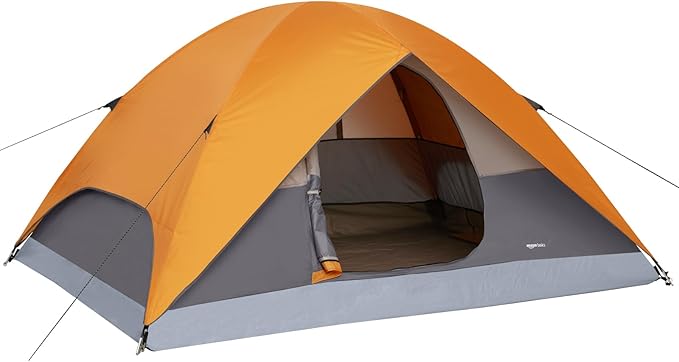
Amazon Basics 3-Season Dome Camping Tent with Rainfly
For bikepackers who want a true freestanding shelter on a tight budget—and who haven’t yet justified a $500 ultralight single-wall—this dome is a credible starter option for warm-weather routes. It’s heavier than purpose-built bikepacking shelters, but the freestanding pole structure means you can pitch it on hardpack gravel, picnic tables, or anywhere stakes won’t bite. Pair it with a bivy for shoulder-season trips. Check current price on Amazon.
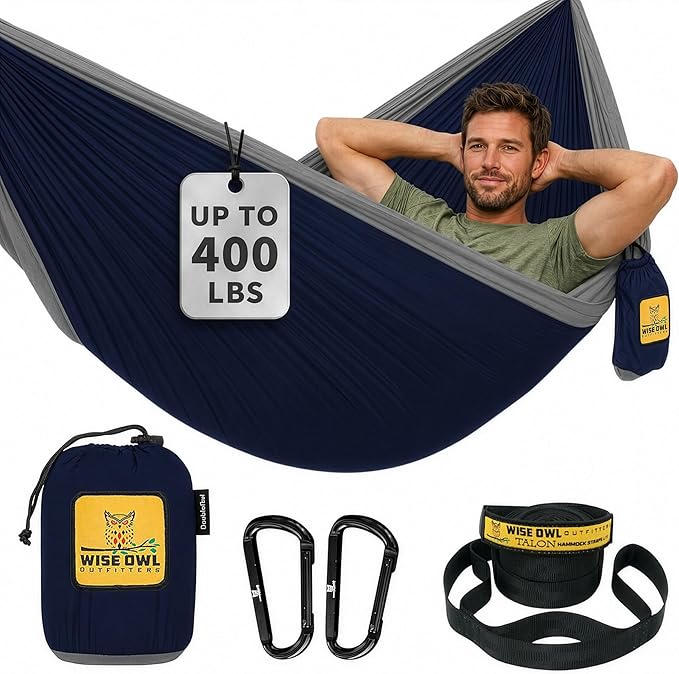
Wise Owl Outfitters Camping Hammock
Tree-rich routes like the Trans North Carolina or the Appalachian Gravel Growler reward riders who ditch the tent entirely and sleep aloft. This hammock with included tree straps weighs about a pound, packs to grapefruit size, and pairs perfectly with a fast-and-light stove like the Jetboil Flash or Primus Lite Plus for a minimalist summer kit. Add a tarp for rain and you have a sub-three-pound shelter system. See it on Amazon.
Which one should you buy in 2026?
If your bikepacking calendar is dominated by summer overnighters, three-day weekends, and routes below 8,000 feet, buy the Jetboil Flash. It’s lighter, faster, cheaper, and the piezo igniter is genuinely nice. If you do shoulder-season trips, high-altitude routes, or you actually like cooking real food on the bike, spend the extra $30 on the Primus Lite Plus. The regulator alone is worth it. Both will outlast a decade of hard use if you treat the o-rings kindly and burp the canister threads before storage.
For more on dialing in the rest of your kit, see our guides to ultralight bikepacking cookware, the best bikepacking tents under 3 pounds, and building a solo bikepacking sleep system.
Frequently Asked Questions
Is the Jetboil Flash too heavy for serious gram-counting bikepacking?
No. At 371 g for the entire integrated system—burner, pot, lid, and cozy—the Flash is competitive with any non-integrated setup once you add a pot, windscreen, and lighter. Hardcore gram-counters running a BRS-3000T plus a 700 ml titanium pot will save maybe 200 g, but they give up the heat exchanger efficiency and add 2–3 minutes per boil. For most solo bikepackers the Flash hits the right balance.
Can the Primus Lite Plus boil enough water for two people on a tandem bikepacking trip?
The 0.5 L pot is technically tight for two. You’ll do two back-to-back boils for two freezer-bag meals, which takes about six minutes total. It works, but if you regularly ride with a partner, look at the Primus Lite XL (0.75 L) or stick with the 1.0 L Jetboil Flash to save time and a bit of fuel from the second light-up.
Which stove handles wind better on exposed alpine bikepacking routes?
Both integrated systems shield the burner inside the pot base, so they outperform open canister-top stoves dramatically in wind. Between the two, the Primus Lite Plus has a marginally better windscreen design and the regulated valve compensates for the slight pressure drops a gusty environment causes. On routes like the Colorado Trail or the Highland Trail 550, the Lite Plus is the safer pick.
How long does a 100 g canister last with each stove on a solo bikepacking trip?
For a solo rider doing two 500 ml boils per day (coffee + meal), a 100 g canister lasts roughly 7 days with the Jetboil Flash and 8–9 days with the Primus Lite Plus. Cold weather, wind, and altitude all shorten those numbers—sometimes by 30 percent. Carry a backup 100 g canister on any trip longer than five days.
Do either of these stoves work with non-brand isobutane canisters?
Yes. Both use the standard EN 417 / Lindal valve threaded connection, so any isobutane-propane canister from MSR, Coleman, Snow Peak, or generic store brands will screw on. Avoid the cheap puncture-type canisters common in Europe—those need an adapter and are generally lower quality fuel. For bikepacking, stick with name-brand isobutane blends for cold-weather reliability.
Is the integrated heat exchanger worth the weight versus a titanium pot and tiny burner?
For bikepacking, yes—usually. The heat exchanger fins capture roughly 25–30 percent more heat from the flame, which translates directly into less fuel carried. On any trip longer than three days, the fuel savings outweigh the 100–150 g system weight penalty. Sub-24-hour overnighters are the only scenario where a bare 25 g burner and a 90 g cup wins outright.
Which stove is easier to repair in the field?
Neither is field-repairable in any meaningful sense—both are sealed-burner integrated systems. The most common failure on the Jetboil Flash is the piezo igniter, which is why veterans always carry a lighter regardless. The Primus Lite Plus has fewer moving parts and a simpler valve, so it tends to be more reliable over a 5-year lifespan. For peace of mind on remote routes like the Baja Divide, the Lite Plus has a slight edge.
Key Takeaways
- Choosing the right Jetboil Flash vs Primus Lite Plus bikepacking means matching capacity and output ports to your actual devices
- Always check actual watt-hours (Wh), not just watts — runtime depends on Wh, not peak output
- Also covers: Jetboil vs Primus solo bike touring
- Also covers: ultralight stove bikepacking comparison
- Also covers: Primus Lite Plus solo cyclist
- Compare price-per-Wh across models to find the best value for your budget