The best camping stove for celiac campers is a two-burner propane unit with smooth stainless or porcelain-coated surfaces, removable grates, and a wide windscreen — paired with a dedicated, covered cooking station that keeps wheat-based foods, crumbs, and airborne flour completely out of the prep zone. For 2026, that means choosing a stove you can fully disassemble and sanitize, then setting it up under a canopy or shelter that you reserve only for gluten-free meals. Below, we walk through the stove features that matter most, the gear that builds a contamination-proof cook station around it, and the routines seasoned celiac campers swear by.
Why a Dedicated Camping Stove for Celiac Campers Matters
Cross-contamination at a campsite is sneakier than at home. Shared picnic tables hold crumbs from the last family. Communal cooking shelters often have decades of baked-on gluten residue on grates and griddles. Even your own gear — if it was used last summer for pancakes and pasta — can carry enough gluten in a single scratched-out groove to trigger a reaction. A purpose-built camping stove for celiac campers solves the biggest variable: the heat source itself.
When evaluating stoves for gluten-free camping, prioritize these features:
- Smooth, non-porous cook surface. Porcelain-enamel or polished stainless wipes clean; cast iron grates can trap residue in pores.
- Removable grates and drip trays. You need to be able to take the stove apart, scrub it with hot soapy water, and rinse — at home before the trip and again at the campsite.
- Two independent burners. One for proteins, one for sides, so you're not swapping pans across shared utensils.
- Wind protection. Stable flames mean less ash kick-up and fewer ambient particulates landing in your food.
- Compatibility with dedicated cookware. Your gluten-free pans should fit flat without rocking, since uneven contact creates scorch zones where old residue can flake off.
The stove is only half the equation. The other half is where you put it. A celiac-safe outdoor kitchen needs overhead cover (to block falling pollen, leaves, and airborne flour from a neighbor's site), a windbreak (to stop dust from cross-site fire pits), and a clean, dedicated surface for prep.
Building the Celiac-Safe Camp Kitchen Around Your Stove
Most celiac campers we've spoken with say the stove they buy matters less than the system they build around it. Here's the gear that makes a real difference, and why each piece earns a place in a contamination-conscious setup.
Comparison: Shelter & Support Gear for a Gluten-Free Cook Zone
| Product | Role in Celiac Setup | Best For | Key Spec |
|---|---|---|---|
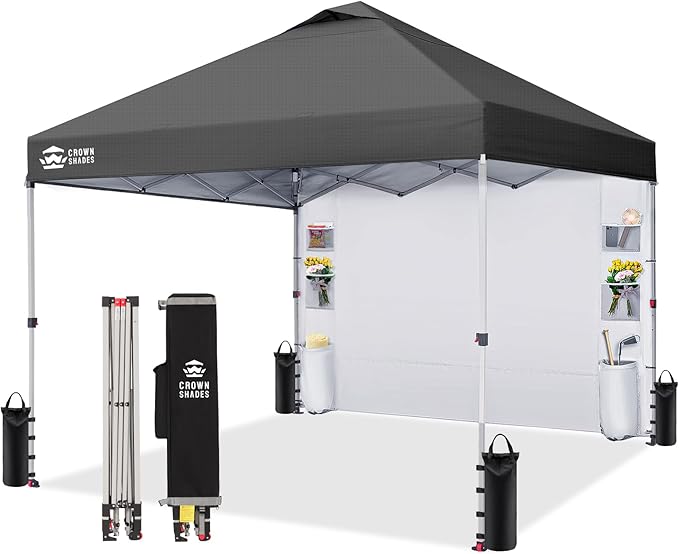
| CROWN SHADES 10x10 Pop Up Canopy with Pockets | Overhead cover for stove + prep table | Family car-camping kitchens | 100 sq ft shade; storage pockets for sealed GF supplies |
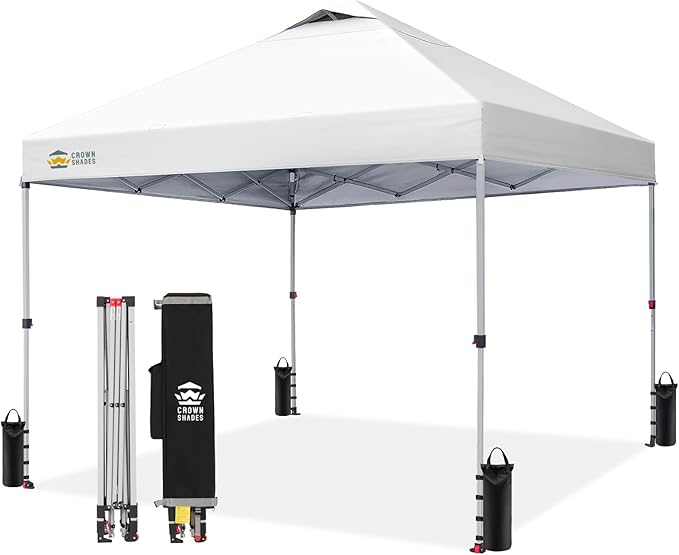
| CROWN SHADES 10x10 CenterLok One-Push Canopy | Fast solo-deploy cook shelter | Solo or couple trips | One-push center hub; rapid setup |
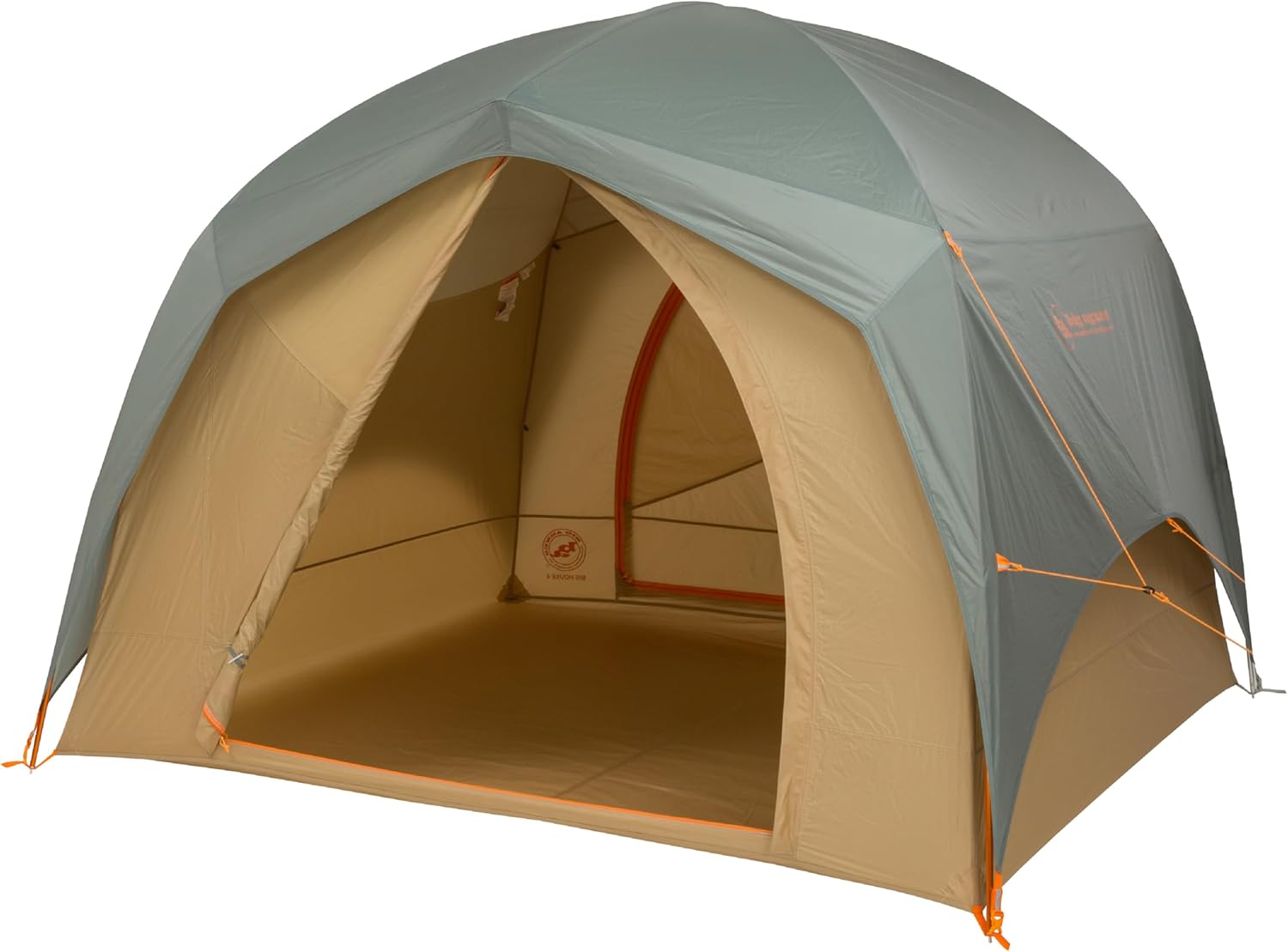
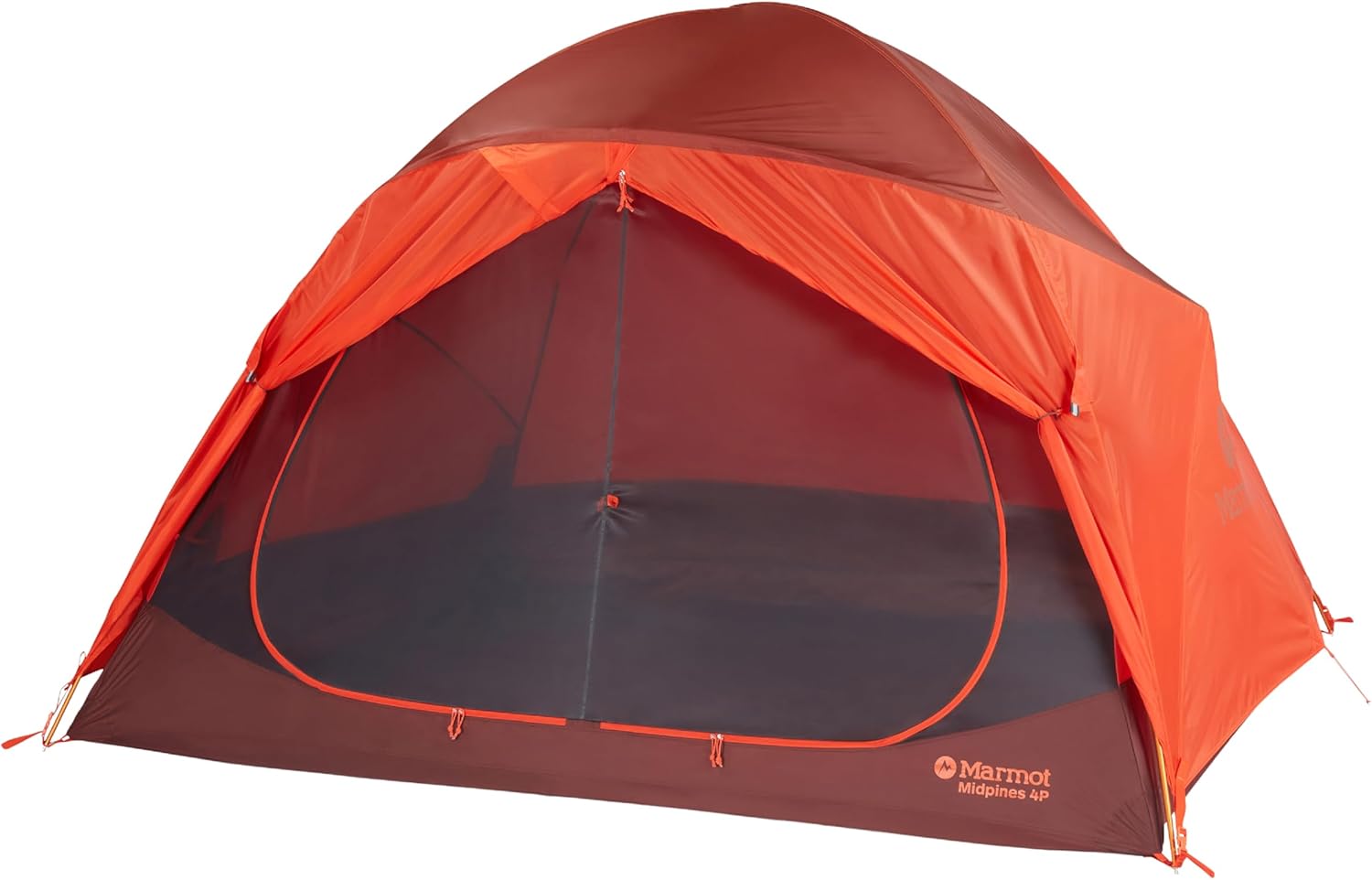
| Amazon Basics 3-Season Dome Tent with Rainfly | Sleeping shelter kept separate from cooking | Weekend warriors | 3-season; rainfly keeps GF gear dry |
| Wolfwise Pop Up Shower/Changing Tent | Wind/dust shield for stove flank | Exposed sites | Portable, freestanding privacy enclosure |
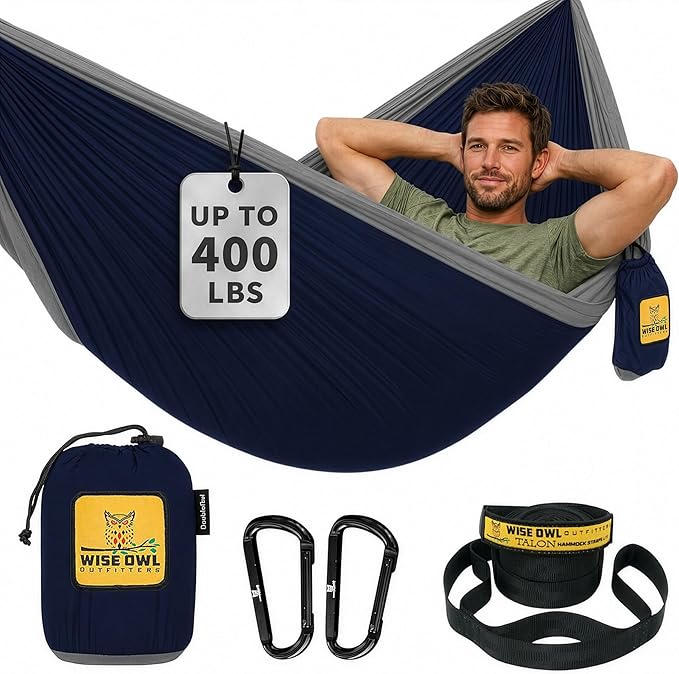
| Wise Owl Outfitters Camping Hammock | Off-ground rest zone away from cook smoke | Reactive celiacs who need post-meal recovery space | 500 lb capacity; tree straps included |
CROWN SHADES 10x10 Pop Up Canopy Tent with Pockets — Best Cook-Zone Cover
A canopy is non-negotiable for serious celiac camping. It blocks falling debris, gives you a clearly marked "clean zone" that other campers will respect, and the built-in pockets are perfect for storing sealed gluten-free spices, sanitizing wipes, and dedicated utensils up off the ground. Set your stove on a folding table in the center, designate the entire 10x10 footprint as gluten-free, and you've drastically cut your exposure risk. Check current price on Amazon.
CROWN SHADES 10x10 CenterLok One-Push Canopy — Best for Solo Celiac Campers
If you're camping alone or as a couple and don't want to wrestle a canopy frame at the end of a long drive, the CenterLok One-Push variant uses a single hub to deploy the entire roof in seconds. That matters more than it sounds: when you're tired and hungry, you cut corners — and cut corners for a celiac camper often means cooking on a contaminated picnic table. A fast canopy means you always get the protected cook zone up before you start meal prep. View on Amazon.
Amazon Basics 3-Season Dome Camping Tent with Rainfly — Keep Sleeping Separate
One mistake new celiac campers make is letting cook gear migrate into the sleeping tent. Don't. A dedicated 3-season dome like this Amazon Basics model keeps your sleep area completely flour-free — no cooler, no stove, no greasy pans inside. The rainfly also protects sealed GF dry goods if you stage them in the vestibule overnight. Buy the tent that lets you enforce a strict "no food in the sleeping tent" rule from day one. See it on Amazon.
Wolfwise Pop Up Shower/Changing Tent — Stove Windbreak & Dust Shield
An unexpectedly useful piece of gear for celiac campers: a freestanding pop-up enclosure positioned upwind of your stove. It blocks gusts that kick ash and dust from neighboring sites into your pans, and on windy exposed sites it dramatically improves burner stability. When you're not cooking, it's a real changing/shower tent — so it earns its packing space twice. Check it on Amazon.
Wise Owl Outfitters Camping Hammock — Recovery Zone Away from Smoke
If you've ever been glutened, you know recovery space matters. A hammock strung 30+ feet from the cook zone gives you somewhere to rest after meals — away from the lingering smoke, splatter, and any neighbors who might be flouring up a campfire bread. The Wise Owl Outfitters hammock supports 500 lbs, includes tree straps, and packs down small enough to live permanently in your camping kit. View on Amazon.
A Practical Celiac-Safe Camp Cooking Routine for 2026
Gear alone doesn't keep you safe; routine does. Here's a workflow that combines a solid camping stove for celiac campers with the shelter and support gear above.
- Pre-trip stove decon. Disassemble the stove fully. Wash grates, drip trays, and the burner bowl in hot soapy water. Rinse, dry, and store the stove sealed in a plastic tote that never holds anything else.
- Pack dedicated cookware. A 10" nonstick skillet, one stainless saucepan, and a dedicated GF spatula, tongs, and silicone whisk. Mark them with bright tape so nobody else in the group grabs them by accident.
- Stage the canopy first. Deploy your canopy before unloading any other gear. Tape a printed "Gluten-Free Cook Zone" sign to a pole if you're car-camping with mixed-diet friends.
- Hard-surface the prep area. Cover the picnic table or folding table with disposable kraft paper or a dedicated washable mat. Replace or wash daily.
- Hand-wash protocol. Set up a jug of water and unscented soap at the canopy entrance. Hands get washed every time someone enters the cook zone.
- Cook GF first. If you absolutely must cook gluten-containing food at the same site, cook the gluten-free meal first, plate it, cover it, and only then start on shared meals.
- Sleep separately. No food, no cookware, no clothing worn during cooking goes into the sleeping tent. Change layers at the canopy edge.
For more on dialing in the rest of your sleep system, see our guide to cold-weather sleeping bags and our breakdown of family tents for 2026. If you cook with kids in tow, our kid-friendly camping gear roundup covers utensils and snacks that work alongside a strict gluten-free routine.
Stove Types Ranked for Celiac Safety
Not every stove is equal when contamination is the enemy. Here's how the major categories shake out for a camping stove for celiac campers:
- Two-burner propane (best). Smooth surfaces, removable grates, simple to deep-clean. The default choice for car camping.
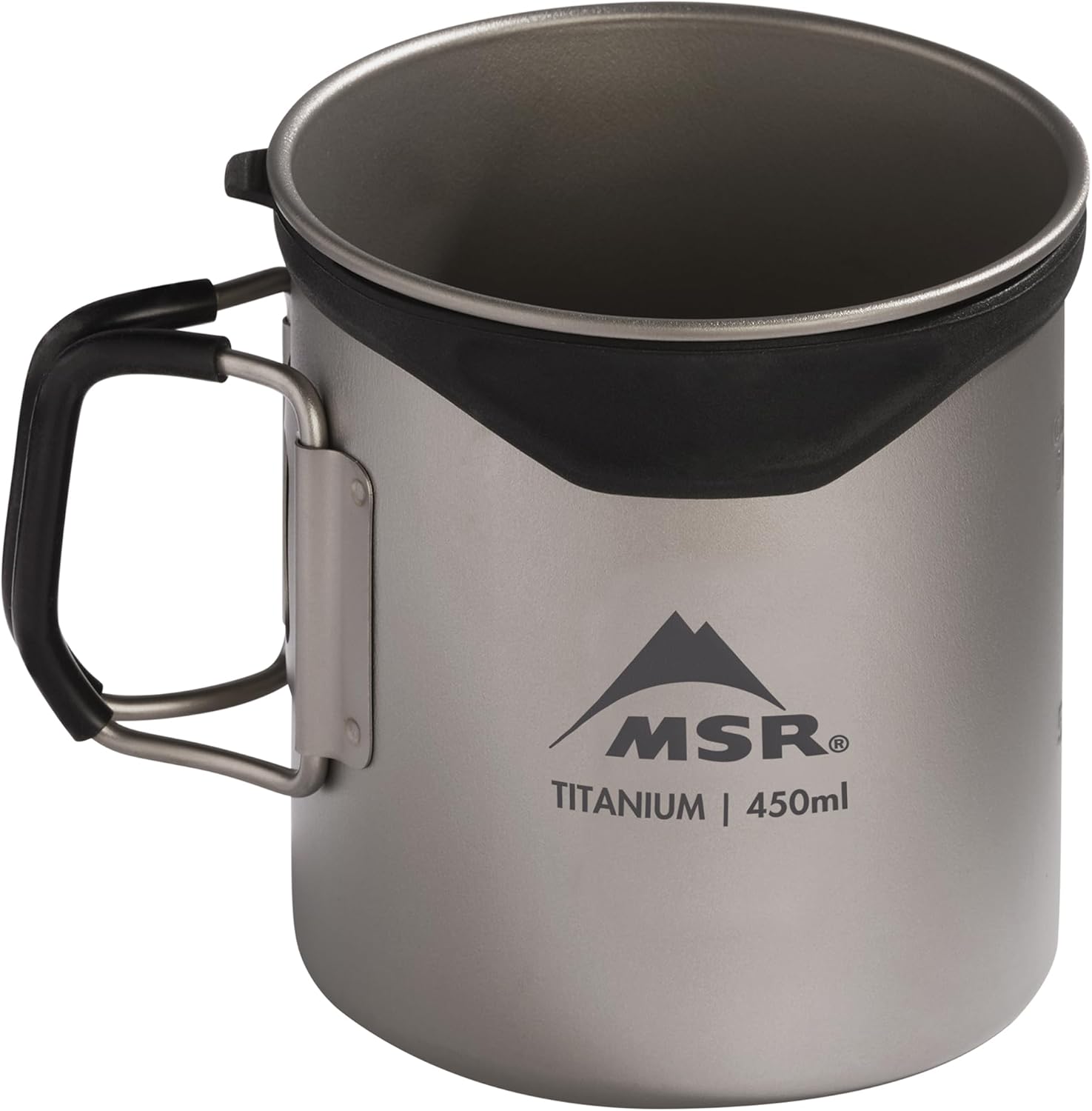
- Canister backpacking stoves (great for solo). Single burner, minimal surface area, easy to sanitize. Best with a dedicated titanium pot.
- Wood-burning stoves (risky). Foraged fuel can carry surprise residues, ash is unpredictable. Skip unless you control the fuel source.
- Communal grills (avoid). Shared campground grills are nearly impossible to decontaminate. Hard pass.
- Liquid-fuel multi-fuel stoves. Fine if you bought it new and dedicated it to GF cooking. Avoid borrowed or used units.
Frequently Asked Questions
Can I use a regular camping stove if I clean it thoroughly?
Yes, if you can fully disassemble it, the surfaces are smooth and non-porous, and it has never been used to cook anything containing wheat, barley, rye, or oats. The risk isn't the brand — it's the residue. A brand-new stove dedicated to gluten-free use from day one is always the safest path, and many celiac campers buy a second budget two-burner for exactly this reason.
How do I prevent cross-contamination from neighboring campsites?
Choose sites with at least one empty buffer site between you and others when possible. Set your stove under a closed-sided canopy or use a pop-up wind enclosure as a flour and ash shield. Cook with lids on whenever you can, and never leave uncovered GF food on the prep table unattended — even a breeze carrying flour from a neighbor's biscuit-making campfire can dose your pan.
What's the safest fuel type for a celiac camper's stove?
Standard isobutane canisters and 1-lb propane bottles are both clean-burning and don't leave residues that affect food safety. Avoid white gas stoves that have been used previously for non-GF cooking, since the fuel system itself doesn't matter but the burner head and pot supports can retain trace residues from prior pans.
Do I need separate cookware even if my stove is dedicated gluten-free?
Absolutely yes. The stove is the heat source; the cookware is what touches your food. Nonstick pans that have scratched can harbor gluten in the grooves for years. Buy a dedicated GF cookware kit — even an inexpensive one — and store it sealed away from shared kitchen gear at home.
Can I cook gluten-free food on a campfire instead of a stove?
It's possible but harder. Campfires don't give you the surface control a stove does, and ash from burning unidentified fallen wood occasionally contains residues from food that was tossed in a fire previously. If you go this route, use a dedicated GF Dutch oven or foil-pouch cooking, and build your fire from clean, freshly split wood you brought yourself.
How should I store gluten-free food at a campsite?
Use a dedicated cooler that has never held gluten-containing leftovers. Keep dry goods in sealed hard-sided containers — soft bags collect crumbs over time. Stage the cooler under your canopy, not in the sleeping tent (where rodents and ants love to visit), and consider color-coding lids so nothing gets mixed up at 6 a.m. when everyone's groggy.
Is it safe to use shared dishwashing stations at campgrounds?
No. Communal sinks are coated in residues from every group that came before. Set up a three-basin wash station at your own site: hot soapy wash, clean rinse, sanitize rinse. Dedicate sponges and brushes to your GF kit only, and replace them between trips — sponges are one of the most underrated contamination vectors in any camp kitchen.
Final Take
The best camping stove for celiac campers in 2026 is the one you can fully clean, fully control, and fully isolate from the rest of the campground. Pair a smooth-surfaced two-burner propane stove with a dedicated canopy cook zone, a wind enclosure, and disciplined routines, and you can camp for weeks without a single reaction. The stove gets the credit, but the system keeps you safe — invest in both.
Key Takeaways
- Choosing the right camping stove for celiac campers means matching capacity and output ports to your actual devices
- Always check actual watt-hours (Wh), not just watts — runtime depends on Wh, not peak output
- Also covers: gluten free camping stove
- Also covers: celiac safe camp cooking
- Also covers: dedicated stove gluten free
- Compare price-per-Wh across models to find the best value for your budget