The best camping stove for chemotherapy patients on neutropenic diet use is a single- or double-burner canister stove with a smooth, wipeable stainless or enameled cooktop, a piezo igniter (so no matches in the kitchen area), and enough BTU output (10,000+ per burner) to bring water to a rolling boil fast for safe food prep. Skip wood-burning and open-flame designs that deposit soot and ash on cookware, and avoid stoves with deep textured grates that trap food residue. Pair the stove with a covered, screened cook station, sanitized utensils, and a dedicated handwashing setup so the meal is as clean as the kitchen at home.
This 2026 guide walks through what oncology dietitians and infusion-clinic nurses typically flag when a patient with a low absolute neutrophil count (ANC) wants to keep camping during treatment. We focus on the stove itself, the shelter you cook under, and the surrounding gear that keeps airborne dust, pollen, and insects off the prep surface.
Why the right camping stove matters during chemotherapy
A neutropenic diet is built around eliminating bacteria, mold, and parasites that a healthy immune system would normally handle without symptoms. For a patient on chemo, the same exposure can mean a febrile neutropenia ER visit. The stove sits at the center of that risk equation because it is where raw ingredients become safe food. A camping stove for chemotherapy patients on neutropenic diet must hit and hold food-safe temperatures: 165 F for poultry, 160 F for ground meats, and a true rolling boil (212 F at sea level) for water used in rehydrated meals, coffee, or rinse water for produce that will be peeled.
Backyard-style propane two-burners are usually the best fit. They light instantly, deliver consistent output, and the cooktop wipes down with a bleach-water solution between meals. Liquid-fuel backpacking stoves (white gas, alcohol) burn dirtier, are harder to sanitize, and the priming process can introduce soot onto pots — not what you want when a single contaminated meal can derail a treatment cycle.
Key features to look for in 2026
- Sealed, non-porous cooktop: stainless steel or porcelain-enameled steel. Avoid cast iron grates that hold grease and moisture.
- Piezo or electronic ignition: reduces hand contact with matches and lighters that have been in pockets or dirt.
- 10,000-20,000 BTU per burner: enough power to boil 1 quart of water in under 4 minutes, even in wind.
- Removable wind panels: three-sided baffles you can pull off and wash separately.
- Sealed fuel line with regulator: 1 lb green propane bottles are sterile from the factory and easy to swap with clean gloves.
- Flat, wide cooking surface: accommodates a large stockpot for batch-boiling water to sanitize utensils.
- Snap-shut lid or hard case: keeps dust and pollen off the burners during transit and overnight storage.
If you can find a model that lists NSF-style sanitization compatibility (i.e., the manufacturer confirms diluted bleach won't damage the finish), that's a meaningful bonus. For deeper background on building a treatment-safe camp kitchen, see our neutropenic camping meal plan and the clean-camping checklist for cancer treatment.
Fuel types ranked for neutropenic safety
- Propane (1 lb canisters or 20 lb tank with hose): cleanest burn, easiest to sanitize the stove afterward, no liquid spillage. Top pick.
- Isobutane/propane blend (backpacking canisters): clean burn, but most backpacking stoves have small burner heads that wobble under heavy pots — a falling stockpot of boiling water on an immunocompromised camper is not a small risk.
- Butane (single-cartridge tabletop stoves): acceptable above 50 F. Performs poorly in cold mornings, which means undercooked food risk.
- White gas / liquid fuel: avoid. Priming deposits unburned fuel and soot on pots.
- Wood, twigs, biomass: avoid entirely. Smoke contains aspergillus spores that are dangerous for neutropenic patients.
Building the cook station around the stove
A stove is only as safe as the environment it sits in. Wind-blown sand on a hot skillet, a wasp on the cutting board, or rain on a propped-open canister can all undo your prep work. The single biggest upgrade for a chemo-patient camper is a dedicated, screened-in cooking shelter — separate from the sleeping tent — with a hard-floor or tarp footprint and easy-wipe surfaces. Below are the support pieces from our shortlist that earn a place in this setup.
| Product | Role in the cook station | Footprint | Setup time |
|---|---|---|---|
| CROWN SHADES 10x10 CenterLok Pop Up Canopy | Primary stove shelter / wind break | 100 sq ft | ~60 seconds |
| CROWN SHADES 10x10 Pop Up Canopy with Pockets | Secondary prep / dish station | 100 sq ft | ~90 seconds |
| Amazon Basics 3-Season Dome Tent w/ Rainfly | Separate clean sleeping shelter | varies | 10-15 min |
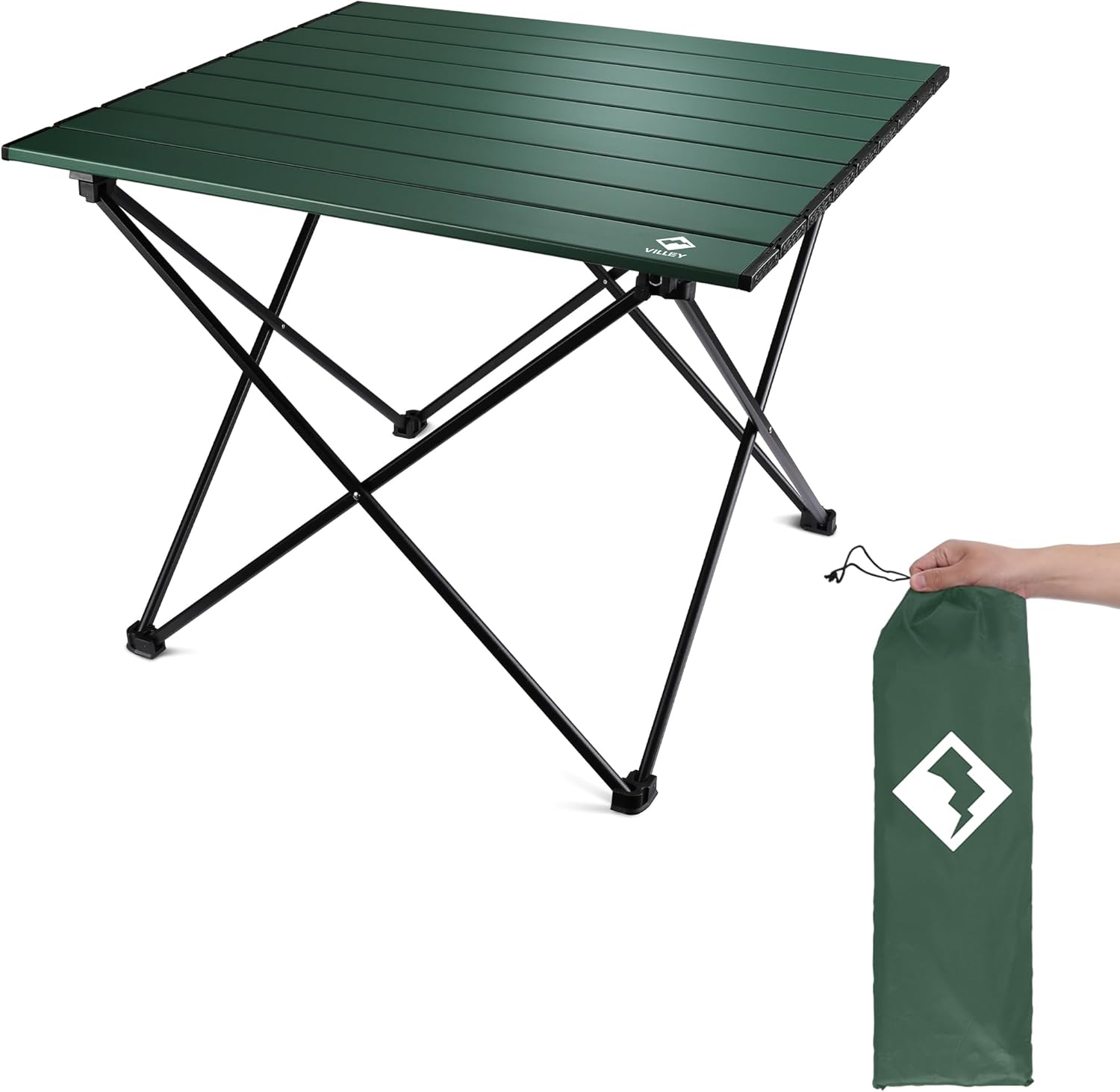
| Wolfwise Pop Up Shower/Changing Tent | Handwash + glove-change station | ~16 sq ft | ~30 seconds |
| Wise Owl Outfitters Camping Hammock | Off-ground rest spot during meal cook time | n/a | 5 min |
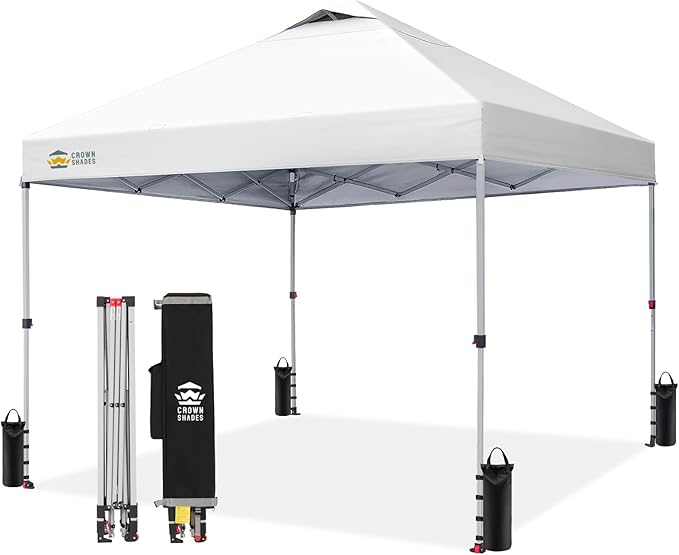
CROWN SHADES 10x10 Pop Up Canopy, CenterLok One-Push
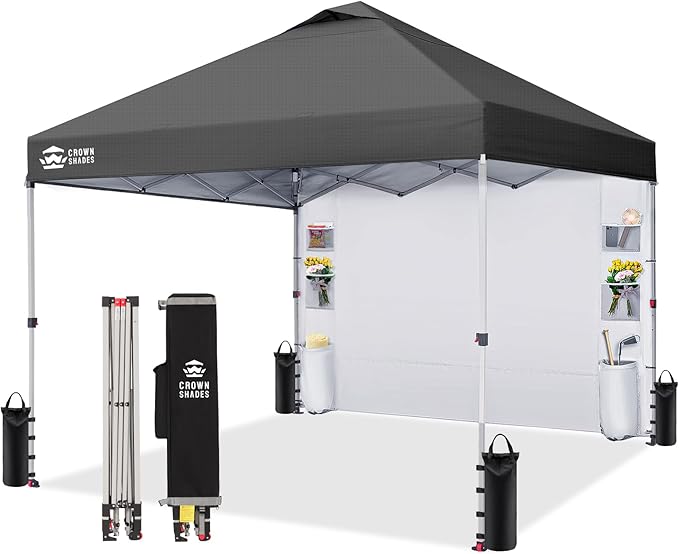
A 10x10 canopy with the CenterLok one-push frame is the simplest way to give your stove a clean roof. The single-push center hub means a caregiver or low-energy patient can deploy it solo in about a minute, which matters on chemo-fatigue days. The 10x10 footprint comfortably covers a two-burner stove, a folding prep table, and a wash basin on the other side. Position it with the closed wall facing the prevailing wind so dust and pollen blow over rather than through your cooking area. View the CROWN SHADES CenterLok canopy on Amazon.
CROWN SHADES 10x10 Pop Up Canopy Tent with Pockets
The pocketed version of the CROWN SHADES 10x10 earns a separate mention because the built-in pockets are perfect for holding sealed packets of disposable nitrile gloves, fresh dish towels, and a thermometer probe — all items you want within arm's reach but off the ground. We like running this one as a dedicated dish-washing and produce-rinse station about ten feet downwind of the stove canopy so steam and food smells stay separated from rinse water. Check the CROWN SHADES canopy with pockets on Amazon.
Amazon Basics 3-Season Dome Camping Tent with Rainfly
Keep sleeping quarters strictly separate from the cook station. The Amazon Basics 3-season dome tent with a full rainfly seals out morning dew, pollen, and the insects that are drawn to nighttime cooking smells. For a patient on a neutropenic diet, a clean, dry sleeping bag and a tent floor you can wipe down at the door are non-negotiable. The full rainfly creates a vestibule where soiled shoes and outerwear can be left outside the inner sleeping chamber. See the Amazon Basics dome tent on Amazon.
Wolfwise Pop Up Shower/Changing Tent
Hand and forearm washing before every food-prep step is the single highest-yield intervention you can add to a neutropenic camp kitchen. A pop-up changing tent gives you a private, wind-shielded spot to scrub up with a solar shower bag or a basin of stove-boiled water that has cooled to a safe temperature. It also doubles as a clean dressing area for changing into food-prep clothing kept separate from hiking layers. View the Wolfwise pop-up tent on Amazon.
Wise Owl Outfitters Camping Hammock
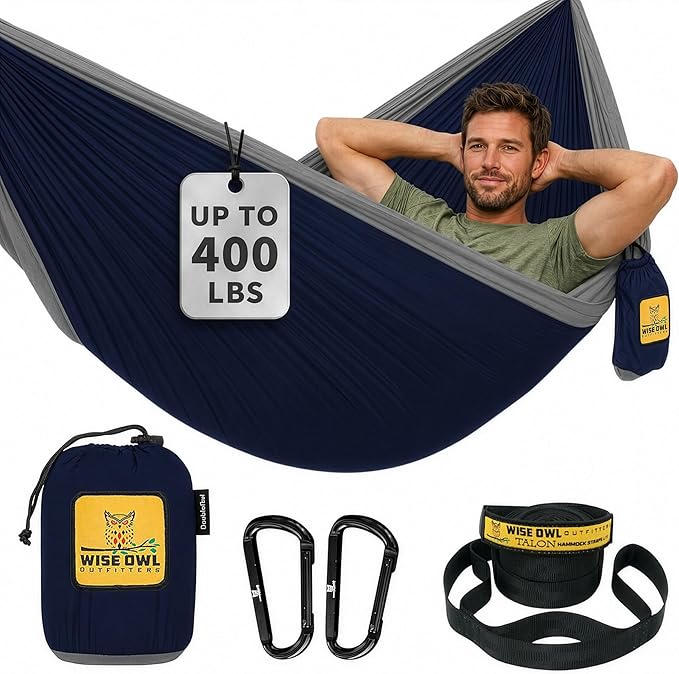
Chemo fatigue is real, and standing over a stove for a 30-minute simmer can be too much. A 500 lb capacity Wise Owl hammock strung between two trees within sight of the cook canopy lets the patient rest off the ground (avoiding soil and insect contact) while a caregiver handles active cooking. Tree straps included means no knot-tying with weak hands. View the Wise Owl Outfitters hammock on Amazon.
How to sanitize your stove between meals
After each cook session, let the burners cool, then wipe the cooktop and drip tray with a fresh paper towel dampened with a 1:50 bleach-to-water solution (about 1 tablespoon of unscented household bleach per quart of water — mix fresh each day). Follow with a clean-water wipe and air dry. Remove and rinse wind panels separately. Store the stove with the lid closed inside its hard case, off the ground, never in the sleeping tent. For ongoing cleanliness routines, our portable water filter guide covers the rinse-water side of the equation.
Frequently Asked Questions
Is it safe for a chemotherapy patient on a neutropenic diet to cook outdoors at all?
Generally yes, with oncology team clearance and an ANC above the threshold your care team specifies. The risks outdoors are real but manageable: control the cooking environment with a canopy, use a clean propane stove, sanitize surfaces, and never serve undercooked food. Many patients find the fresh air and routine of camp cooking lifts mood between infusions. Always confirm with your oncologist before each trip.
What BTU rating should I look for in a camp stove for neutropenic cooking?
Aim for at least 10,000 BTU per burner, with 15,000-20,000 being ideal. Higher BTU output gets water to a rolling boil faster, which matters for sanitizing utensils and reaching safe internal cooking temperatures quickly. Lower-output stoves can struggle in wind, leaving food in the bacterial growth danger zone (40-140 F) too long.
Can I use a single-burner backpacking stove for a neutropenic-diet camping trip?
You can, but it's not ideal. Small burner heads are unstable under the larger pots needed for boiling sanitizing water, and the narrow flame means uneven heating that can leave cold spots in food. If weight forces the choice, pick a wide-base canister stove with a four-prong pot support and use only a small pot at a time.
Are wood-burning or pellet stoves acceptable for cancer patients camping?
No. Wood and biomass smoke can carry aspergillus and other fungal spores that are particularly dangerous for immunocompromised patients. The soot residue on cookware is also difficult to fully sanitize. Stick to clean propane, butane, or isobutane fuel only.
How do I keep a camp stove sanitized between meals on a multi-day trip?
Wipe cooled cooktop and drip tray after each meal with a fresh 1:50 bleach solution, then a clean-water rinse wipe. Air dry, store in a closed hard case off the ground, and keep the stove out of the sleeping tent. Pre-pack one set of paper towels, a small bleach bottle, and a labeled mixing cup specifically for stove sanitation.
What foods should never be cooked on a camping trip during chemotherapy?
Avoid soft cheeses, raw or undercooked eggs, rare meats, raw sprouts, unpasteurized dairy, and any produce that can't be peeled or thoroughly cooked. Stick to commercially packaged shelf-stable ingredients you cook to safe internal temperatures on-site. Use a meat thermometer every time.
Do I need a separate cooking shelter, or can I cook outside my tent?
A separate canopy is strongly recommended. Cooking under or near the sleeping tent introduces food smells that attract insects, deposits cooking aerosols on bedding, and creates a fire and carbon monoxide risk. A 10x10 pop-up canopy positioned 10-15 feet downwind of the sleeping tent is the standard layout.
Key Takeaways
- Choosing the right camping stove for chemotherapy patients on neutropenic diet means matching capacity and output ports to your actual devices
- Always check actual watt-hours (Wh), not just watts — runtime depends on Wh, not peak output
- Also covers: neutropenic diet camping stove
- Also covers: chemo patient backcountry cooking
- Also covers: immunocompromised camper stove safety
- Compare price-per-Wh across models to find the best value for your budget