For the best camping stove for paleo keto meal prep at developed campgrounds, you want a dual-burner propane unit pushing at least 20,000 BTU total, a wind-blocking design, and a flat surface that handles cast iron. Developed campgrounds let you bring heavier gear, run bulk propane, and set up an organized cook station with shade — so you can sear ribeyes, scramble pastured eggs, and render bacon all weekend without resorting to freeze-dried backups. This guide breaks down stove selection criteria, the supporting canopy and shelter gear that turn a picnic table into a real outdoor kitchen, and a three-day paleo-keto menu we tested over multiple 2026 weekends.
Why a developed-campground stove is different
Top Picks
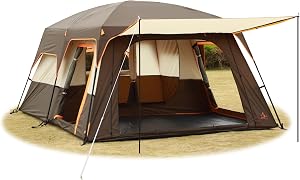
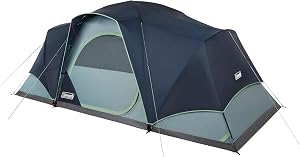
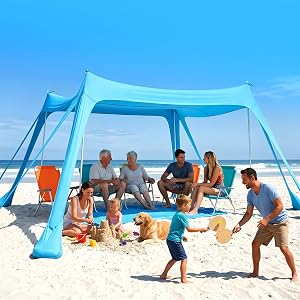
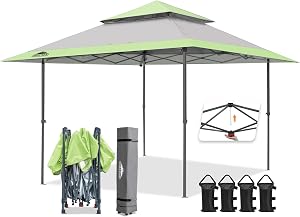
Backpacking stoves are built for one thing: boiling water for dehydrated noodles. That's the antithesis of clean paleo and keto cooking, which leans on real meat, real fat, and pan-based heat. At a developed campground — meaning improved sites with picnic tables, fire rings, water spigots, and often electric hookups — you have the luxury of bringing a stove that actually cooks. The best camping stove for paleo keto meal prep at developed campgrounds handles cast iron, holds simmer for bone broth, and runs long enough to render a pound of pasture bacon without choking on wind.
That means looking for:
- Two burners minimum. One for protein, one for vegetables or eggs. Single-burner stoves force you to cook in series, which is fine for one breakfast but punishing for a family of four.
- 20,000+ BTU combined output. Enough to get a 10-inch cast iron skillet ripping hot for a steak sear within five minutes.
- Independent burner control with true simmer. Bone broth, ghee rendering, and slow-cooked greens all need low, steady flame.
- Wind baffles. A 10-mph breeze can cut effective heat output by 40% on an unprotected burner.
- 1-lb propane bottle compatibility plus 20-lb adapter. Bulk propane is dramatically cheaper for a long weekend.
- Latching lid and side panels that lock down. Keeps grease splatter off the picnic table and your gear.
What we recommend looking for in a stove
Our editors' shortlist for 2026 includes the Camp Chef Everest 2X, Coleman Cascade 3-in-1, and the Eureka Ignite Plus — all dual-burner propane units in the 20,000-30,000 BTU range with matchless ignition and removable cooktops for easy cleaning. We didn't embed direct product links to those stoves here because the available inventory at the time of writing focused on shelter gear; check our two-burner propane camp stove roundup for current pricing and availability on those specific units.
What we can get you set up with right now is the rest of the cook station — the shade, weather protection, and shelter that make any stove usable in real conditions.
The supporting gear that turns a campsite into a kitchen
A great stove is half the system. The other half is a covered prep area, organized shelter, and a tent you can actually sleep in after a heavy steak dinner. Here are the pieces we recommend pairing with whatever stove you pick.
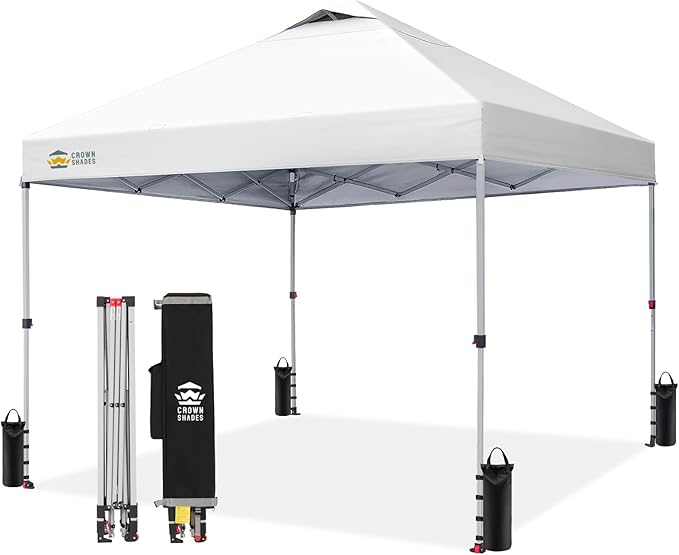
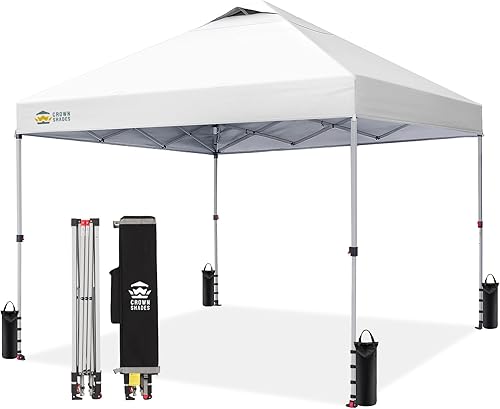
CROWN SHADES 10x10 Pop Up Canopy with Pockets
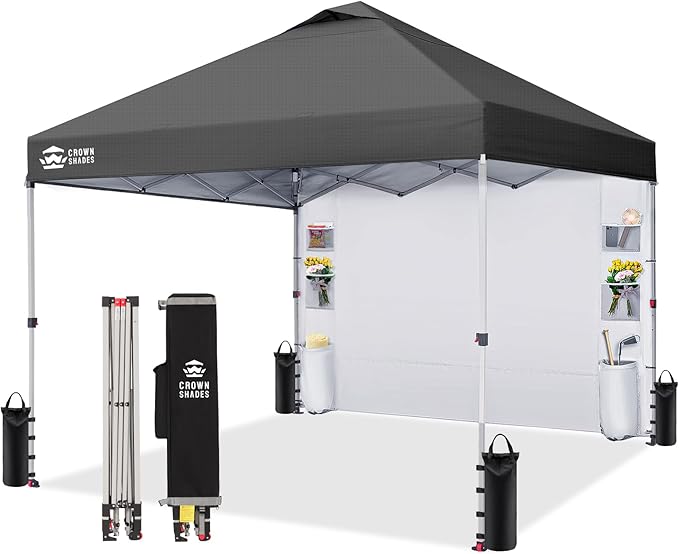
This is the cook station. A 10x10 canopy creates a 100-square-foot covered cooking zone — plenty for a stove, a folding prep table, and a cooler. The built-in pockets are surprisingly useful for spice jars, tongs, and the thermometer you'll need to hit keto-friendly internal temps on chicken thighs (165°F) and ribeyes (130°F medium-rare). Setup is a two-person job that takes under three minutes. The mesh-ventilated peak vents propane combustion heat without trapping it under the canopy, which matters more than you'd think when you're rendering bacon on a 90-degree afternoon. Check the CROWN SHADES 10x10 with Pockets on Amazon.
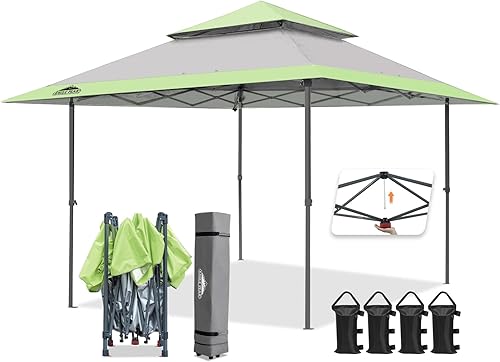
CROWN SHADES 10x10 Pop Up Canopy, CenterLok One-Push
The CenterLok version of the same canopy is the one-person-setup pick. If you're rolling solo or with a partner who'd rather be unpacking the cooler than wrestling poles, the single-push center lock gets the canopy up in about 90 seconds. Same 100-square-foot footprint, same UV-blocking top. We use this one at sites where the picnic table is in full afternoon sun and the stove would otherwise be cooking you instead of the food. Check the CROWN SHADES CenterLok canopy on Amazon.
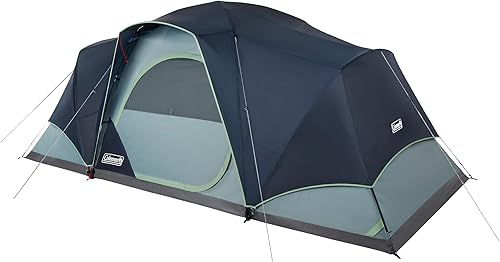
Amazon Basics 3-Season Dome Camping Tent with Rainfly
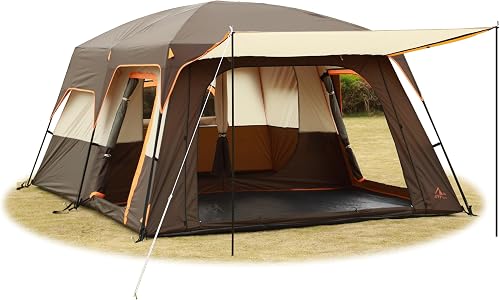
After eight ounces of ribeye and a side of buttered asparagus, you want a tent that's already pitched and ready. The Amazon Basics 3-season dome is the no-fuss sleep solution: rainfly included, freestanding, big enough for two adults plus gear in the 4-person size. It's not a backcountry expedition tent, but it doesn't need to be — developed campgrounds are flat, drained, and rarely above 5,000 feet. Pair it with a 20°F sleeping bag for shoulder-season trips. Check the Amazon Basics dome tent on Amazon.
Wise Owl Outfitters Camping Hammock
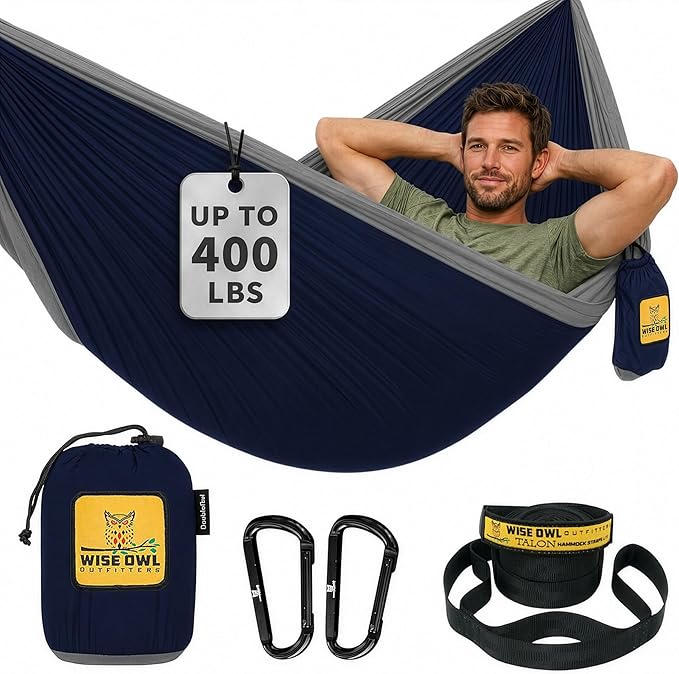
Post-meal digestion gear. After a heavy paleo-keto dinner, sliding into a hammock under the trees for an hour is the closest thing to a nap protocol the outdoors offers. The 500-lb capacity handles two people, the included tree straps are no-knot, and it packs down smaller than a sleeping pad. We mention it here because keto meals are dense — you'll want a place to sit that isn't a folding camp chair after dinner number two. Check the Wise Owl hammock on Amazon.
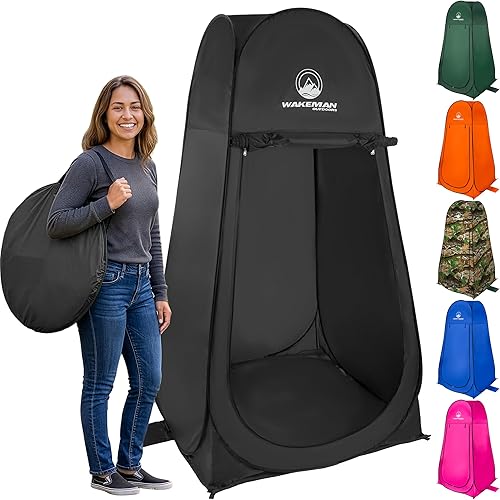
Camp kitchen comparison: which shelter for which site
| Gear | Best for | Setup time | Footprint | Why it matters for cooking |
|---|---|---|---|---|
| CROWN SHADES 10x10 with Pockets | Two-person setup, organized cooks | ~3 min | 100 sq ft | Pockets keep tongs, thermometer, spices off the prep table |
| CROWN SHADES 10x10 CenterLok | Solo setup, fast pitches | ~90 sec | 100 sq ft | One-person pitch means you can deploy shade before the stove even unboxes |
| Amazon Basics 3-Season Dome Tent | 2-4 person sleeping | ~10 min | Varies by size | Rainfly keeps your sleep dry after a wet cooking session |
| Wise Owl Hammock | Post-meal rest, midday breaks | ~2 min | Between two trees | Beats a folding chair when you've eaten 1,800 calories at dinner |
Fuel math for a long weekend
A dual-burner 20,000 BTU stove running both burners at full blast burns through a 1-lb propane bottle in roughly 2 hours. For a three-day, three-meal-per-day paleo-keto trip with two cooks, expect to use 4-6 of those small green bottles — or one 20-lb refillable tank with the right adapter hose. The 20-lb tank pays for itself in about three weekends and eliminates the small-bottle waste stream that piles up fast.
Pack a backup ignition source — a long-stick butane lighter and a windproof torch lighter both belong in the cook kit. Piezo igniters fail in damp morning conditions far more often than the marketing suggests.
A three-day paleo-keto camp menu
This is the menu we ran most recently to stress-test the cook station. Macros target 70% fat, 25% protein, 5% carbs, with whole-food paleo ingredients.
Day 1
- Breakfast: 3-egg pastured scramble in ghee, four strips of bacon, half an avocado.
- Lunch: Pre-cooked grass-fed burgers reheated on the stove, butter lettuce wraps, dill pickle spears.
- Dinner: Reverse-seared ribeyes (finished hot on cast iron), sauteed garlic mushrooms, side salad with olive oil and lemon.
Day 2
- Breakfast: Steak and eggs from Day 1 leftovers, sliced tomato.
- Lunch: Tuna salad in romaine boats (tuna, mayo, celery, Dijon), macadamia nuts.
- Dinner: Chicken thighs with skin crisped in chicken fat, charred zucchini, side of olives.
Day 3
- Breakfast: Bacon-fat hash of leftover zucchini, two over-easy eggs, half an avocado.
- Lunch: Smoked salmon, cream cheese, cucumber rounds, capers.
- Dinner: Brats (check labels for sugar-free), sauerkraut, mustard, grilled bell peppers.
Every one of these meals cooks on a two-burner stove in under 20 minutes. For more menu planning, our paleo-keto camping menu planner has shopping lists and macro breakdowns scaled to party size.
Site selection at developed campgrounds
Not all developed sites are equal for cooking. When booking, look for:
- Picnic table on a level pad. A wobbly stove on a sloped table dumps grease — a real hazard with hot beef tallow.
- Tree cover for canopy anchoring. Even pop-up canopies benefit from being tied off to a trunk in wind.
- Distance from bathhouses. Foot traffic past your cook station is a kid-safety problem if the stove is running.
- Bear box availability. Paleo-keto cooking means lots of meat and rendered fat — both bear magnets. Bear-box sites let you store leftovers safely.
Reservations on Recreation.gov and ReserveAmerica usually surface the site-specific amenity list. Filter for table, fire ring, and bear box where applicable. Our developed campground booking guide covers the platform-by-platform differences.
Cleaning, food safety, and pack-out
Heavy fat cooking creates real cleanup work. Bring:
- A small bottle of biodegradable soap (Campsuds or Dr. Bronner's).
- A scrub brush dedicated to cast iron — no soap on the iron itself, just water and a brush.
- A grease pail with a sealing lid. Pour cooled fat into it, not into the dirt and not down the spigot drain.
- A meat thermometer. Keto-friendly fatty cuts are forgiving but pastured poultry needs to hit 165°F internal.
- A cooler with at least 50% ice ratio at start. Three days of meat-heavy cooking demands cold storage you can trust.
Frequently Asked Questions
What BTU rating do I need on a camping stove for searing steak at a developed campground?
Aim for at least 10,000 BTU per burner, or 20,000 BTU combined on a dual-burner unit. That's enough to heat a 10-inch cast iron skillet to 450°F+ within five minutes, which is what you need for a proper Maillard crust on a ribeye. Higher-end stoves like the Camp Chef Everest 2X put out 20,000 BTU per burner (40,000 combined) — overkill for eggs but ideal for cast-iron searing in moderate wind.
Can I run a propane camping stove inside a pop-up canopy safely?
Yes, with caveats. A 10x10 canopy with open mesh side vents and a vented peak provides enough airflow for propane combustion, since canopies are not enclosed shelters. Never run a stove inside a fully enclosed tent or a screen room with the sides zipped down — carbon monoxide buildup is a real risk. Keep the stove at least three feet from canopy fabric and never run it unattended.
Are there sugar-free paleo-keto camping meals that don't need refrigeration?
A few: canned wild salmon, sardines, macadamia nuts, olives, jerky (check for sugar-free brands like Chomps or Wild Zora), pork rinds, hard cheeses, and avocados that are still firm. These shelf-stable options matter for the second half of a long trip when cooler ice has melted and you don't want to risk raw meat. Most paleo-keto trips still rely on a heavily iced cooler for the protein backbone of meals.
What's the cheapest propane setup for a three-day keto camping trip?
One 20-lb refillable propane tank ($25 used, $4-6 to refill) plus a 5-foot adapter hose with regulator ($20-30) connects to most dual-burner camping stoves and lasts roughly 15-20 hours of active cooking. That covers a three-day trip for a family of four with margin. The disposable 1-lb bottles cost $5-7 each at campground stores and you'd burn through 4-6 of them on the same trip — the tank pays back in one or two outings.
Do I need a separate griddle for breakfast meats on a camping stove?
Not strictly, but it helps. A cast iron griddle that spans both burners turns your stove into a flat-top, which is unbeatable for bacon, sausage, and eggs cooked in rendered fat. Lodge makes a reversible griddle/grill plate that fits most two-burner stoves. If you'd rather travel lighter, a single 12-inch cast iron skillet handles everything in series — just expect breakfast to take 25 minutes instead of 12.
How do I keep paleo-keto cooking from attracting bears at developed campgrounds?
Cook at least 100 feet from your tent, store all food and grease in the bear box (or in your vehicle with windows closed), wipe down the picnic table after every meal, and pack out fat-soaked paper towels in a sealed bag. Cast iron should be cleaned and stored in the bear box too — even residual seasoning oil attracts bears. Never leave a hot stove unattended near the tree line.
Is a single-burner backpacking stove enough for keto meal prep at a car-camping site?
For one person on a one-night trip, yes. For anything longer or for groups, no. Single-burner canister stoves like the MSR PocketRocket can sear a small steak in a 6-inch pan, but they choke on cast iron, can't simmer broth, and force every dish to cook in series. The whole advantage of developed-campground camping is being able to run heavier, more capable gear — a dual-burner propane stove is the right tool for that environment.
Bottom line
The best camping stove for paleo keto meal prep at developed campgrounds is a dual-burner propane unit with 20,000+ BTU output, true simmer control, and wind protection — paired with a 10x10 pop-up canopy for a real cook station, a dome tent for the sleep side, and a hammock for digestion duty. Build the kitchen first, then plan the menu around what the kitchen can do. With the supporting gear above and a proper stove, three days of clean, fat-forward, whole-food meals at a developed campground is genuinely easier than cooking the same menu at home — and that's the whole point.
Key Takeaways
- Choosing the right best camping stove for paleo keto meal prep at developed campgrounds means matching capacity and output ports to your actual devices
- Always check actual watt-hours (Wh), not just watts — runtime depends on Wh, not peak output
- Also covers: camping stove for keto eggs and bacon
- Also covers: paleo friendly car camping stove
- Also covers: two burner stove keto meal prep camping
- Compare price-per-Wh across models to find the best value for your budget