If you spent a night in an AT shelter, AMC hut, or PCT three-sided lean-to where norovirus ripped through the bunk crew, your Therm-a-Rest NeoAir XLite needs a real disinfection protocol — not a wipe-down. Here is how to disinfect Thermarest NeoAir XLite after norovirus exposure without delaminating the welded internal baffles: bag the pad, surface-wash with detergent, treat with a freshly diluted bleach solution (1,000–5,000 ppm chlorine), rinse, and fully air-dry before stuffing. Norovirus is a non-enveloped virus, which means hand sanitizer, most quat-based wipes, and isopropyl alcohol will not reliably inactivate it. Bleach, accelerated hydrogen peroxide, or sustained heat are the only field-proven options.
Why norovirus needs a different cleaning protocol
Most outdoor gear hygiene advice assumes you are dealing with sweat, mildew, and skin bacteria. Norovirus is a different animal. It survives on hard and soft surfaces for up to two weeks, the infectious dose is as low as 18 viral particles, and it is notoriously resistant to alcohol. The CDC and the EPA List G specifically call for sodium hypochlorite (household bleach) at 1,000–5,000 ppm or accelerated hydrogen peroxide for hard surfaces contaminated by vomit or diarrhea. A NeoAir XLite is not a hard surface — it is a 30D ripstop nylon shell over an internal reflective film and welded triangular baffles — but the chemistry still applies. You just have to dilute correctly and control contact time so the laminate adhesives survive.
When shopping for how to disinfect Thermarest NeoAir XLite after norovirus, it pays to compare specs, capacity, and real-world runtime before committing.
This is why generic guidance like "wipe it down with Lysol" fails. Lysol disinfecting spray (the original blue can) is only EPA-approved against norovirus at a 10-minute wet contact time, and the propellant residue can damage the pad's coating. So before you reach for whatever is in your pack, understand that how to disinfect Thermarest NeoAir XLite after norovirus is a two-step problem: clean the organic load off first, then disinfect.
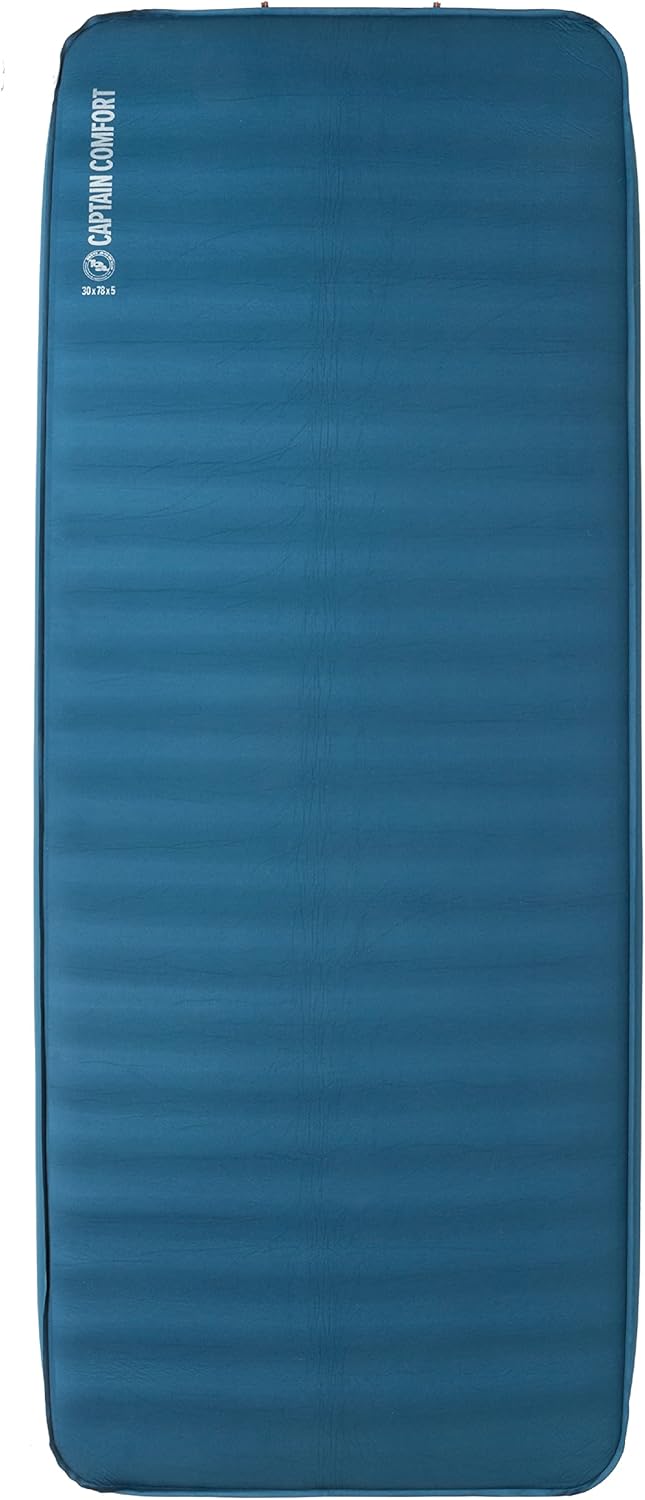
Step-by-step disinfection protocol
1. Bag the pad immediately
Do not roll, fold, or stuff a contaminated pad. Place it flat into a heavy contractor bag (3-mil or thicker) and seal it. If you are still on trail, double-bag and strap it to the outside of your pack — never inside, where aerosolized particles could contaminate your sleeping bag, food bag, or water filter. Norovirus aerosolizes during vomiting events and settles on every nearby surface, so assume the entire top and bottom face of the pad is contaminated even if you only see soiling on one side.
2. Inflate fully and surface-wash
At home (or at a trailhead spigot if you cannot get the pad to a sink within 24 hours), inflate the pad to firm but not maximum pressure and lay it flat on a non-porous surface — a clean tarp on a driveway works. Mix a bucket of warm water with a few drops of fragrance-free dish soap (Dawn Free & Clear or unscented Dr. Bronner's). Using a soft microfiber cloth, gently wipe the entire exterior. The goal here is mechanical removal of organic matter (mucus, vomitus, feces), because chlorine is rapidly neutralized by organic load. Skip the brush — stiff bristles can abrade the 30D shell.
3. Apply the bleach solution
For a NeoAir XLite, use the lower end of the EPA range to protect the laminate: 1,000 ppm chlorine, which is about 4 teaspoons (20 mL) of regular 5–6% household bleach per quart of cool water. Mix fresh — bleach loses 50% of its free chlorine within 24 hours of dilution. Saturate a fresh microfiber cloth and wipe the entire pad, including the inflation valve exterior, deflation cap, and all seam tape. Let the solution sit wet on the surface for 5 minutes. Do not let the pad dry with bleach on it; do not exceed 10 minutes of contact; do not submerge the pad (water inside the baffles will eventually grow mold).
4. Rinse twice
Wipe down with a cloth dampened in clean water, then repeat with a second clean cloth. Residual chlorine accelerates hydrolysis of the urethane coating and can leave a faint yellow tint on the silver reflective interior over time. Pay extra attention around the valve and any factory printing.
5. Dry the valve interior
This is the step most people botch. Open the deflation valve, gently roll the pad from the head end toward the valve to expel the moist interior air, then re-inflate by mouth or pump and repeat three times. This flushes any aerosolized contamination from inside the air chambers. Leave the valve open and prop the pad vertically for 24–48 hours in a dry, well-ventilated space. Never use a hair dryer — heat above 120°F (50°C) softens the internal baffle welds.
6. Final inspection
Look for new wrinkles, bulges, or soft spots that suggest a baffle weld has separated. Inflate fully and leave overnight; if the pad has lost more than 10% of its pressure by morning, you may have a slow leak from chemical damage. Therm-a-Rest's lifetime warranty does not cover chemical degradation, so document your protocol in case you need to file a claim.
What NOT to use on a NeoAir XLite
- Isopropyl alcohol / hand sanitizer — does not inactivate non-enveloped viruses like norovirus, and dries out the polyurethane coating.
- Quaternary ammonium wipes (most Clorox wipes, Lysol wipes) — limited norovirus efficacy and leaves a tacky residue that attracts dirt.
- Hydrogen peroxide above 3% — bleaches the silver interior reflective layer.
- Hot water above 120°F — softens baffle welds, may cause delamination.
- Washing machine — agitation will permanently damage the internal baffles. Never machine-wash any NeoAir.
- UV sanitizing wands — surface penetration is too shallow for the textured ripstop and works only line-of-sight.
Bleach vs. accelerated hydrogen peroxide: side-by-side
| Factor | Diluted Household Bleach (1,000 ppm) | Accelerated Hydrogen Peroxide (0.5%) |
|---|---|---|
| EPA-listed against norovirus | Yes (List G) | Yes (List G) |
| Contact time on NeoAir | 5 minutes | 1–3 minutes |
| Risk to 30D nylon shell | Low at 1,000 ppm; rinses required | Very low |
| Risk to silver interior film | Low if not submerged | Moderate above 1% |
| Availability on trail | High (most front-country stores) | Low — specialty product |
| Cost per pad treatment | Under $0.25 | $2–4 |
| Best for | Heavy exposure, visible soiling | Quick light decon, color-fast gear |
For most thru-hikers and weekend campers, the bleach protocol above is the right answer. Save the accelerated hydrogen peroxide for sleeping bag shells, tent floors, or pack liners where you do not want to risk fading.
Setting up a proper decon station at the trailhead
If you cannot get home for several days, you will need a clean, private space to work. Doing this in a public shelter or campground bathhouse is both inconsiderate and a transmission risk. A pop-up changing tent gives you a controlled footprint where bleach spray, gloves, and contaminated cloths can be contained.
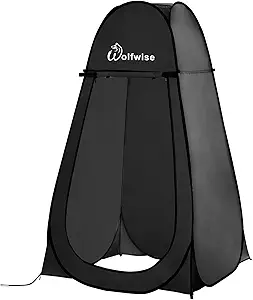
Wolfwise Pop Up Shower/Changing Tent — improvised decon enclosure
The Wolfwise is designed as a portable shower stall but doubles as an ideal disinfection booth at a trailhead. It pops open in seconds, has a floor you can wipe down with bleach, includes a top loop for hanging a wet pad to drip-dry, and packs to the size of a frisbee. After you finish the chlorine wipe-down, you can leave the pad inflated and propped inside the tent overnight to dry in a shaded, ventilated space. Check current price: Wolfwise Pop Up Shower/Changing Tent on Amazon.
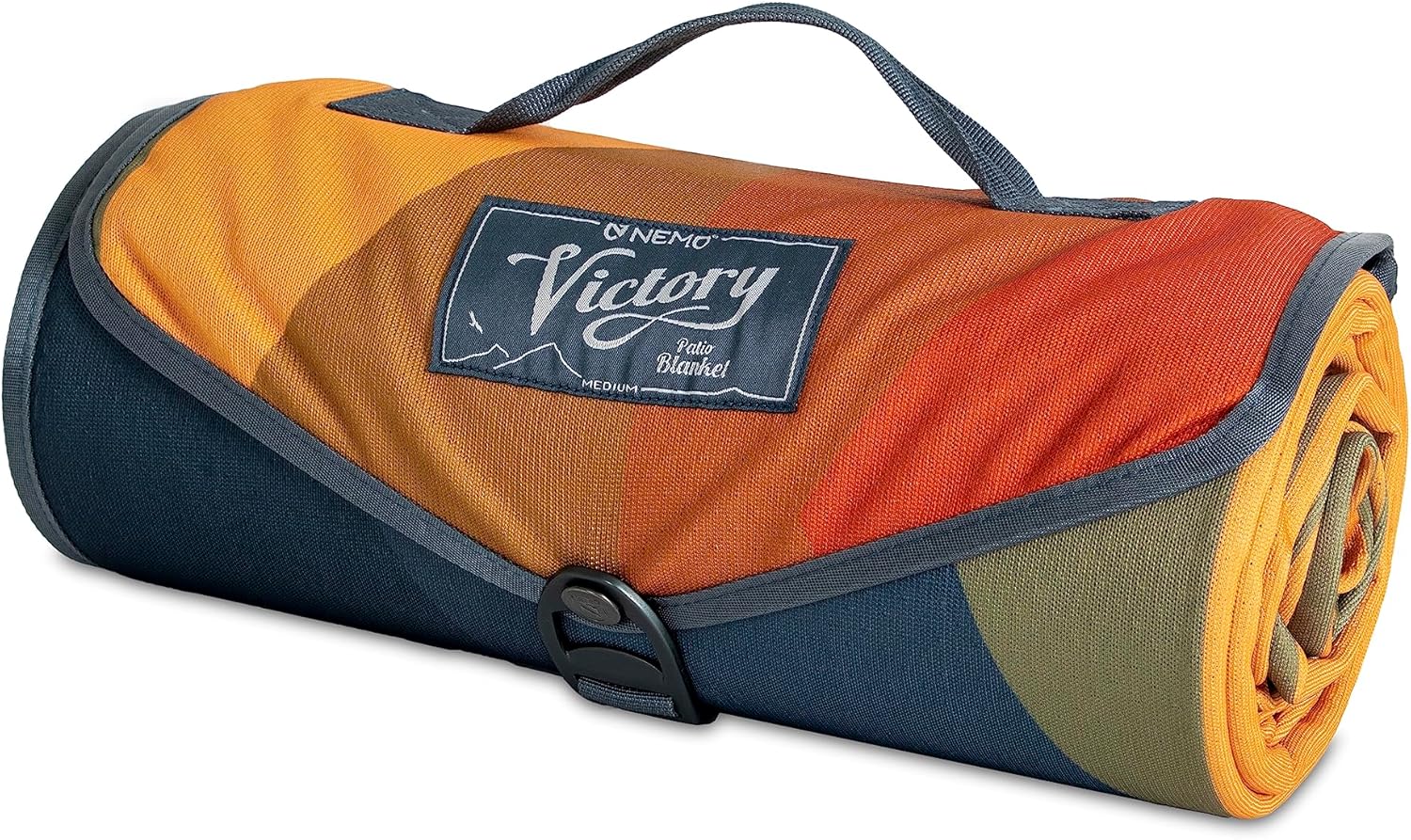
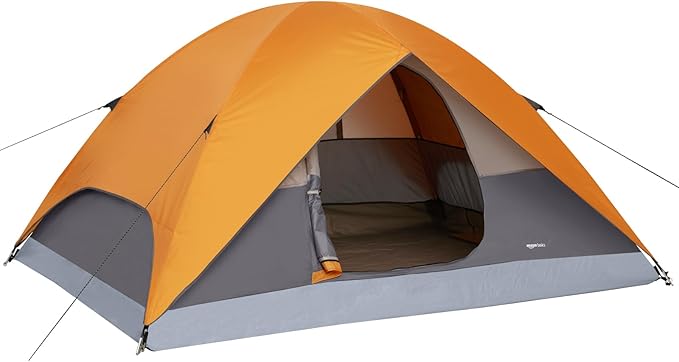
Amazon Basics 3-Season Dome Camping Tent with Rainfly — quarantine shelter
If you were sharing a three-sided shelter during the outbreak, the smart move is to not return to that shelter for the next 1–2 nights while you sort gear. A cheap freestanding dome lets you camp at a clean tent pad 200 feet away from the contaminated shelter and gives your decontaminated NeoAir a clean, dry environment to fully off-gas. This Amazon Basics dome packs small enough to ship to a trail town via general delivery if you need a one-time replacement shelter. Check pricing: Amazon Basics 3-Season Dome Tent on Amazon.
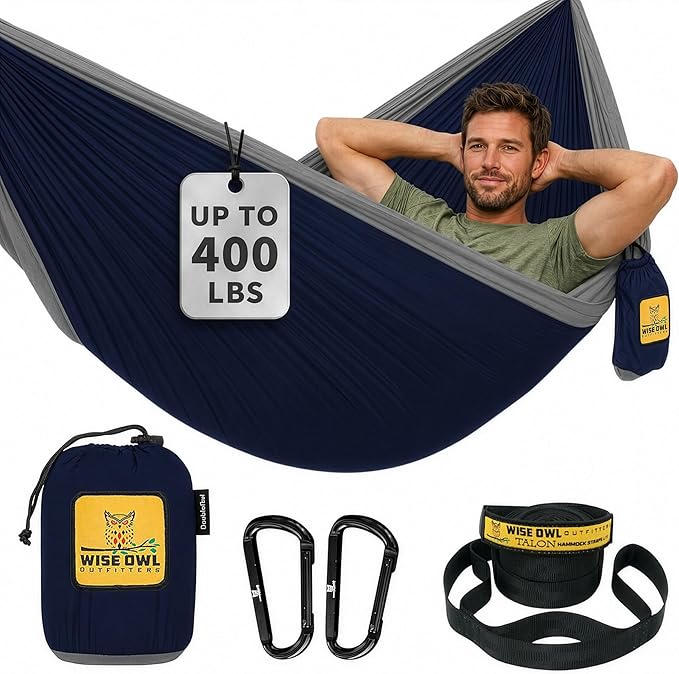
Wise Owl Outfitters Camping Hammock — backup sleep system while the pad dries
A NeoAir XLite needs 24–48 hours of open-valve drying time after disinfection. If you are continuing your hike, you need a sleep system that does not touch the ground. A lightweight hammock with tree straps gets you off potentially contaminated leaf litter and gives the pad uninterrupted dry time. The Wise Owl packs to softball size and supports up to 500 lbs. Check it out: Wise Owl Outfitters Camping Hammock on Amazon.
Field protocol if you cannot get to a sink
If you are mid-section and a hospital trip is not on the agenda, here is the abbreviated field version. Carry a small bottle of unscented bleach concentrate (NOT scented or splash-less, which contain surfactants that ruin the laminate) — 2 oz is enough for one full pad treatment. Find a water source you are willing to contaminate downstream (already-impacted dispersed camp area, not a wilderness lake), dilute roughly 1 capful per liter, and wipe the pad with a bandana you can either burn or discard. Rinse with two liters of clean water. Air-dry on a sunny rock for at least 4 hours before stuffing. This is not a substitute for the home protocol — it is a stopgap to get you to a town stop.
When to retire the pad instead
Sometimes the right call is to mail the pad to Therm-a-Rest's repair program (or replace it) rather than gamble on residual contamination. Replace if:
- The soiling penetrated through a puncture into the baffle interior.
- The pad was used as a stretcher or wrapped around a sick person, with fluids reaching the seams.
- The pad is more than 5 years old and the laminate already shows wrinkling — chlorine accelerates failure.
- You are immunocompromised and the cost-benefit favors a fresh pad.
Therm-a-Rest's warranty department is reasonable about biohazard returns — they will quote you a discounted replacement rather than ask you to ship a contaminated pad back.
For more on protecting the rest of your kit, see our related guides on disinfecting a down sleeping bag after illness, backcountry shelter etiquette during an outbreak, and building a 2026 backcountry first-aid kit.
Frequently Asked Questions
Can I machine-wash a Thermarest NeoAir XLite after norovirus?
No. The agitation cycle will shear the welded internal triangular baffles, and water trapped inside the air chambers cannot be fully expelled. Therm-a-Rest's official guidance is wipe-clean only, regardless of the contaminant. Stick with the hand-wipe and bleach protocol above — it is just as effective and warranty-compliant.
Does freezing kill norovirus on a sleeping pad?
No. Norovirus survives freezing temperatures for months and is actually more stable when frozen. Leaving a contaminated pad in your car overnight in winter does nothing useful and may stiffen the laminate enough to crack it during inflation. Chemical disinfection or sustained heat above 145°F (which would also destroy the pad) are the only options.
How long does norovirus survive on outdoor gear like a NeoAir?
On synthetic surfaces such as ripstop nylon, infectious norovirus particles have been detected up to 12–14 days after contamination at typical indoor temperatures. UV exposure shortens this window but does not eliminate the risk. Treat the contaminated pad within 48 hours if at all possible — the longer organic matter dries onto the surface, the harder it is to remove without abrading the coating.
Will Lysol or Clorox wipes work on a NeoAir XLite?
Only specific formulations are EPA-listed against norovirus, and most require a 10-minute wet contact time that risks damaging the urethane coating. Lysol Disinfectant Spray (original) has a norovirus claim with a 10-minute contact; standard Clorox Disinfecting Wipes do not. The diluted bleach protocol is faster, cheaper, and gentler on the pad if you use the 1,000 ppm dilution and rinse promptly.
Can I use UV light or a Steripen to disinfect my sleeping pad?
UV-C sanitizers work only on the surface area in direct line-of-sight and cannot reach the textured weave inside the ripstop pattern. A Steripen is engineered for clear water in a defined geometry — pointing it at a pad surface delivers a tiny fraction of the dose needed to inactivate norovirus. Treat UV as a supplemental measure after chemical disinfection, not a replacement.
Should I disinfect my sleeping bag and tent floor too?
Yes, if they were in the same shelter. Down bags should be spot-cleaned with the same 1,000 ppm bleach solution applied to the shell only, never saturated through to the down. Tent floors can tolerate a 5,000 ppm solution and a longer 10-minute contact time. Sleeping bag liners and pillow cases should be washed in hot water (140°F+) with detergent and chlorine bleach if the fabric allows.
What about my water filter — does it need to be replaced?
If your filter was stored in the contaminated shelter but not used during the outbreak, backflushing with a 1:100 bleach solution and a thorough rinse is sufficient for hollow-fiber filters like Sawyer Squeeze or Katadyn BeFree. Ceramic and carbon-element filters should be replaced if you suspect the intake came into contact with vomitus. Norovirus passes through most hiker-grade filters that are rated only for bacteria and protozoa, so chemical treatment (chlorine dioxide tablets) is your real safety net against ingestion regardless.
Key Takeaways
- Choosing the right how to disinfect Thermarest NeoAir XLite after norovirus means matching capacity and output ports to your actual devices
- Always check actual watt-hours (Wh), not just watts — runtime depends on Wh, not peak output
- Also covers: NeoAir XLite norovirus cleaning
- Also covers: disinfecting sleeping pad after illness
- Also covers: Thermarest pad bleach safe cleaning
- Compare price-per-Wh across models to find the best value for your budget