To dry a down sleeping bag inside a camper van without laundromat access in 2026, you need to combine four things: low heat, sustained airflow, frequent manual fluffing, and patience. The fastest reliable method is to wring (never twist) excess water from the bag, lay it flat across a clean surface or stretched hammock, point a 12V fan and the van's heater at it on low, and break up clumps every 20-30 minutes until the down feels fully lofted and bone-dry. That is the short answer to how to dry down sleeping bag inside camper van without laundromat access — but executing it without ruining the down, the van, or your weekend takes a few more steps.
Why drying a down bag in a van is uniquely tricky
Top Picks

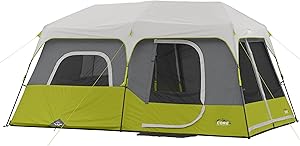
Tools that turn your van into a drying room
You can absolutely improvise with what is already in your rig, but three specific pieces of gear make the process dramatically faster and protect the bag from the things that ruin down: dirty surfaces, pet hair, and ground moisture. Here is a quick comparison of the gear most useful for the job.
| Tool | Primary use when drying | Setup time | Works in rain? |
|---|---|---|---|
| Pop-up shower/changing tent | Enclosed drying chamber outside the van | ~60 seconds | Yes, with rainfly overhead |
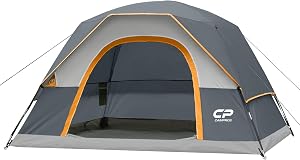
| 10x10 pop-up canopy | Covered outdoor hang space with big airflow | ~3 minutes | Yes |
| Camping hammock | Tensioned flat drying surface inside or out | ~2 minutes | Inside only |
Down insulates because thousands of tiny plumules trap air. When down gets wet, those plumules collapse into clumps the size of pencil erasers. If you dry the bag while it is still clumped, the down dries that way and you lose most of its insulation value forever. Worse, trapped moisture deep inside baffles can mildew within 36 hours, leaving a permanent musty smell that is almost impossible to fully remove.

A camper van compounds every problem. You have limited floor space, condensation already builds up on the windows, your heater pulls from a small fuel reserve, and you cannot just throw open all the doors when it is raining or 28°F outside. Most laundromat tumble dryers solve the clumping problem with three tennis balls and 90 minutes of low heat. Without that machine, you need to replicate its three jobs by hand: heat, tumbling, and air exchange.
The fast method: heat plus airflow plus fluffing
Here is the proven sequence van-lifers have used for years when stuck off-grid. It works in any rig from a Sprinter conversion to a Class B Roadtrek, and it gets a soaked 800-fill bag back to sleepable in 6-10 hours and fully dry in 18-24.
- Remove standing water by pressing. Roll the bag from the foot up like a sleeping pad, kneeling on each section for 30 seconds. Never wring or twist — that snaps the down clusters.
- Hang it briefly to drip. Five minutes outside the van (or inside over the shower pan if you have a wet bath) lets gravity pull out another cup of water.
- Lay flat on a tensioned surface. Air must reach both sides. A stretched camping hammock works perfectly as a drying rack; so does a mesh laundry sweater rack across the bed.
- Run heat and a fan continuously. Diesel heater on low (60-70°F cabin temp), 12V box fan blowing across the bag's surface. Never use direct space-heater output — over 130°F can damage the down's natural oils.
- Fluff every 20 minutes for the first three hours. This is the non-negotiable step. Use your hands to break clumps in every baffle, especially the foot box and shoulder area where down piles up.
- Crack a window or roof vent. All that evaporating water has to go somewhere. Without ventilation, you are just creating a sauna and re-wetting the down.
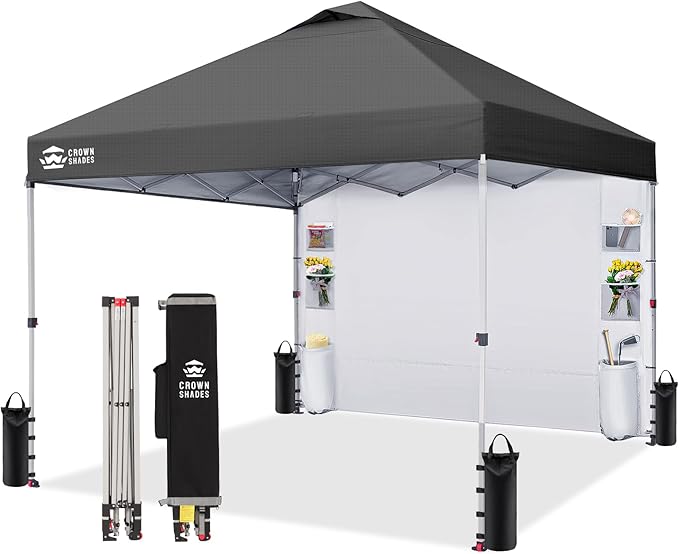
Wolfwise Pop Up Shower/Changing Tent
This is the secret weapon nobody talks about. Pop it open next to your van, run an extension cord with a small ceramic heater on its lowest setting at the base, hang the bag from the top loop on a padded hanger, and you have a closed drying closet that holds heat without cooking the down. The 75-inch height handles a full-length 0°F bag, and the floor-out design means runoff drains away instead of pooling. When you are done, it folds into a 16-inch disc you can shove under the bed. Grab one here: Wolfwise Pop Up Shower Tent for Camping Essentials.
Wise Owl Outfitters Camping Hammock
Two tree straps and a stretched ripstop hammock give you the only thing better than a clothesline: a curved, tensioned surface that lets air circulate above AND below the bag at the same time. A bag laid on a hammock dries roughly 40% faster than the same bag laid on a bed because heat is not absorbed by the mattress underneath. The 500-pound rating means you can even climb in and gently push apart clumps without tearing anything. Inside the van, run it corner-to-corner across the cab; outside, two trees or two canopy legs work. Pick one up here: Wise Owl Outfitters Camping Hammock.
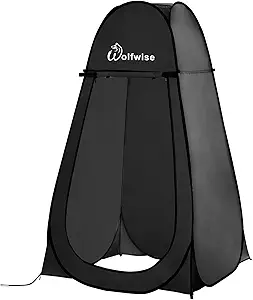
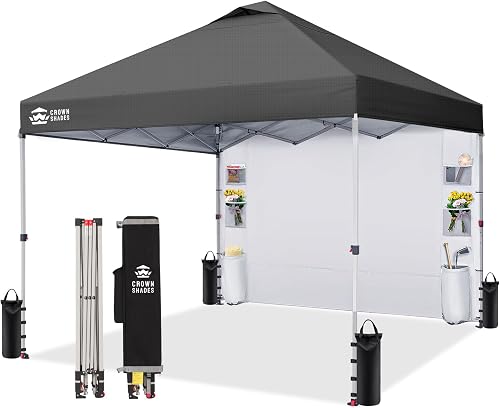
CROWN SHADES 10x10 Pop Up Canopy Tent with Pockets
If the sun is out but the ground is wet (classic post-rainstorm scenario), set up a 10x10 canopy beside your van, string a ridgeline corner to corner, and dry the bag in moving air with UV-blocking shade overhead. Direct summer sun can fade dye and degrade the DWR coating; shade plus breeze is gentler and almost as fast. The integrated wall pockets are handy for stashing the stuff sack, padded hangers, and your phone running a drying timer. Available here: CROWN SHADES Canopy Tent 10x10 Pop Up Canopy Outdoor Shade with Pockets.
Step-by-step: from soaked to sleepable in one night
Assume worst case: it is 9 p.m., 40°F outside, your bag fell in the creek, and you are 60 miles from the nearest town. Here is the exact playbook.
- 9:00 p.m. — Press water out as described. Move bag to van.
- 9:15 p.m. — String the hammock diagonally across the van interior, lay the bag flat, fully unzipped, with the inner liner facing up.
- 9:20 p.m. — Fire up the diesel or propane heater at its lowest setting. Aim a 12V fan at the bag from 3-4 feet away. Crack the roof vent two inches.
- 9:40 p.m. — First fluff. Run flat hands through every baffle, pinching and releasing clumps. Takes about five minutes.
- 10:00, 10:20, 10:40 p.m. — Continue fluffing every 20 minutes. Flip the bag at the 10:40 mark.
- 11:00 p.m. — Switch to 40-minute fluff intervals. The bag should now feel cool-damp, not wet.
- 1:00 a.m. — Final check. If down feels uniformly lofty and no cold spots remain, you can sleep under it (not in it). Body heat finishes the last 5% of moisture overnight.
- Morning — Hang outside for two hours of breeze and indirect sun to finish.
Mistakes that permanently kill loft
- High heat. Anything over 130°F (a hair dryer on high, a space heater pointed directly at the bag) strips natural oils from down clusters. Once gone, they cannot be restored without a proper down wash and re-conditioning.
- Tumbling in a stuff sack to "speed it up." Compressing wet down breaks clusters. Always dry fully flat or hung.
- Skipping the fluff step. Down that dries clumped stays clumped. You will look at your bag the next morning, see flat panels, and realize you have lost half its rating.
- Drying in the same closed van you are sleeping in without ventilation. Condensation will soak everything else — pillow, mattress, electronics — and you will wake up to a damp van.
- Using fabric softener "to fluff it back up." Coats the down and ruins loft permanently. If your bag needs a refresh after this ordeal, wash it properly with a down-specific cleaner once you are home.
When to give up and improvise a backup
If your bag is still genuinely wet at 6 a.m. and the temperature outside is dropping below freezing, do not sleep in it. Wet down compresses to almost zero insulation, and you can hypothermia yourself even at "mild" temperatures. Layer all your clothing, climb into a synthetic puffy if you have one, use the wet bag only as a top blanket, and plan to dry it properly the next day with sunshine or — if you finally reach a town — 90 minutes in a tumble dryer with three tennis balls.
This is why every serious van-lifer carries a cheap synthetic backup bag rated to 40°F. It weighs three pounds, costs $40, and bails you out exactly when your down bag is in this situation. For more on building a redundant sleep system, see our guide to the best down sleeping bags for van life in 2026 and our long-term down bag storage tips for RV owners.
Prevention beats a 12-hour drying marathon
The single best move is keeping the bag dry in the first place. A waterproof compression sack inside a dry bag, stored in a cabinet rather than on the floor, prevents 95% of the situations that lead someone to search how to dry down sleeping bag inside camper van without laundromat access at midnight. Pair that with a bivy or breathable cover any night you are sleeping in a leaky rig, and you will rarely need this guide again. For everything else — washing, sanitizing, and seasonal care — see our deep dive on washing a down bag in your van sink without ruining it.
Frequently Asked Questions
Can I dry a down sleeping bag with just a hair dryer in my van?
Yes, but only on the lowest, coolest setting and held at least 18 inches from the fabric. Move it constantly and never park it in one spot. Plan on four-plus hours of active drying, plus full fluffing between passes. A 12V fan plus heater combo is dramatically more efficient because it dries the entire bag simultaneously instead of one square foot at a time.
How long does it take to air-dry a down sleeping bag inside a camper van?
With no heat and just an open window, 36-72 hours, and you risk mildew the entire time. With a diesel or propane heater plus a fan, plan on 8-14 hours for a 30°F bag and 14-24 hours for a 0°F expedition bag. Active fluffing every 20 minutes for the first three hours cuts total time roughly in half.
Will my van's diesel heater damage a down sleeping bag?
Not if you keep it on the lowest setting and never aim the output duct directly at the bag. Diesel heaters typically push 110-140°F at the vent, which is fine as ambient cabin air but too hot at point-blank range. Let the warm air circulate through the cabin, and place the bag at least four feet from any heating duct.
Can I use desiccant or moisture absorbers to dry a down bag faster?
Helpful as a finishing step, not as the main drying method. After the bag is 90% dry, stuff a few large silica gel packs or rechargeable Eva-Dry units inside the foot box and shoulder area overnight. They pull the last trace of moisture from deep inside baffles and prevent the mildew smell that creeps in 36-plus hours after a soak.
Is it safe to sleep in a damp down bag while it finishes drying?
Only if outdoor temps stay above 50°F and the bag is just lightly damp (no cold or heavy spots). Your body heat will finish drying it overnight. Below 50°F or with a noticeably wet bag, you risk losing significant insulation and getting cold-soaked — use a synthetic backup or layered clothing instead.

How to dry down sleeping bag inside camper van without laundromat access during multi-day rain?
Set up a pop-up shower tent or canopy as a covered drying station next to the van, run an extension cord to a small ceramic heater on low, and use that as a dedicated drying closet. Inside the van, run the heater plus a fan with the roof vent cracked. Rotate the bag through both spaces and you can fully dry it in 12-16 hours even during sustained rain.
What's the difference between drying down vs. synthetic sleeping bags in a van?
Synthetic bags dry in roughly one-third the time and survive being slept in while damp. Down requires gentle heat, constant fluffing, and longer total drying time, but it compresses smaller and weighs less. For van use where space matters, down wins — as long as you can execute this drying playbook when needed. See our breakdown of the best 12V fans for drying gear inside vans for the airflow piece of the puzzle.
Key Takeaways
- Choosing the right how to dry down sleeping bag inside camper van without laundromat access means matching the key features to your specific needs and budget
- Read real customer reviews and check the return policy before you commit
- Also covers: dry down bag in van no dryer
- Also covers: van dwelling sleeping bag drying technique
- Also covers: wet down bag remote location recovery
- Compare value across models — the priciest option is not always the best fit