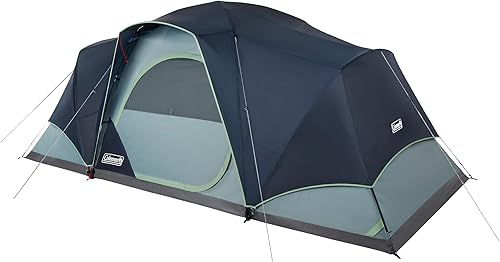
If your Coleman Sundome is leaking at the stitch lines after a few years of trips, the fix is straightforward: clean the seams, peel any failing factory tape, brush on a fresh urethane seam sealer on the inside of the fly and floor, then re-coat the polyurethane underside of the rainfly with a roll-on PU restorer. That is the short answer to how to waterproof Coleman Sundome seams after three seasons of use, and the rest of this guide walks through the exact materials, step order, drying times, and a few backup shelters worth keeping in the car for the next 2026 trip while your tent cures.
Three seasons is right around the lifespan of Coleman's factory seam tape and the spray-on DWR on the fly. You are not doing anything wrong — UV, heat-cycling in the stuff sack, and pack-away moisture all break down the polyurethane coating from the inside out. Re-treating is a 90-minute job plus an overnight cure, and it buys you another two to three seasons easily.
When shopping for how to waterproof coleman sundome seams after three seasons of use, it pays to compare specs, capacity, and real-world runtime before committing.
Why Coleman Sundome seams fail at the three-season mark
Top Picks
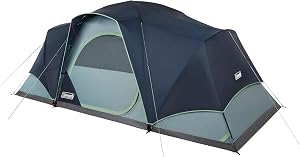
The Sundome ships with heat-pressed seam tape on the fly and bathtub floor, plus a thin polyurethane (PU) coating on the underside of the fly. Two things kill that system over time:
- Hydrolysis of the PU layer. When you pack the tent damp, the PU coating slowly breaks down into a sticky, flaky residue. You will see it as orange or amber gunk on the inside of the fly.
- Seam tape delamination. The adhesive on the factory tape gives up after roughly 30–50 nights of use, especially if the tent has been stored in a hot garage or car trunk between trips.
The symptom is usually the same: a fine mist of water comes through the fly during a steady rain, and you find damp spots along the ridge seam and the corners of the bathtub floor in the morning. If you are still in the early stages, learning how to care for a Coleman Sundome rainfly can stretch the factory coating an extra season before you need to do a full re-treat.
What you need before you start
Buy these before you pitch the tent in the yard. Substitutes are fine, but stick to urethane-based products — silicone sealers will not bond to Coleman's polyester fly.
- Gear Aid Seam Grip WP urethane seam sealer (one tube covers the whole tent)
- Gear Aid Tent Sure PU floor and fly restorer (8 oz bottle with foam applicator)
- Isopropyl alcohol, 70% or higher, plus clean lint-free rags
- A soft scrub sponge (non-abrasive side only)
- Painter's tape, a small foam brush, and a pair of nitrile gloves
- A dry, shaded spot to pitch the tent for 24–48 hours
Step-by-step: how to waterproof Coleman Sundome seams after three seasons of use
Pitch the tent fully — poles, stakes, fly — in the shade. Direct sun will skin the sealer too fast and trap solvent underneath. Plan for roughly 90 minutes of active work plus a full overnight cure.
1. Strip the old coating
Turn the fly inside out so the PU side faces up. If you see flaking or sticky residue, soak a rag in isopropyl alcohol and gently scrub it off. Anything that lifts with light pressure has to go — new sealer will not bond on top of failing PU. Do not use acetone or paint thinner; they will eat the polyester.
2. Remove failing seam tape
Run a thumbnail along every taped seam. Any section that lifts easily should be peeled all the way off — usually about 60–80% of the original tape comes off after three seasons. Sections that are still firmly bonded can stay; you will seal over them.
3. Clean and dry
Wipe every seam line with an alcohol-dampened rag and let it flash off for 10 minutes. The seams must be bone dry before sealer goes on, or the urethane will fog and never reach full strength.
4. Apply Seam Grip WP
Squeeze a thin bead along each seam — ridge, side walls, door zippers, and the bathtub floor corners — on the inside of the fly and floor. Spread it about 1/4 inch wide on either side of the stitching using the foam brush. Less is more; a thick blob will stay tacky for days.
Do not forget the four pole-sleeve seams and the small loops where the guy lines attach. Those are common leak points that Coleman's factory tape skips entirely.
5. Re-coat the fly underside with Tent Sure
Once seams are tacky (about 2 hours), pour a small puddle of Tent Sure onto the PU side of the fly and spread it in long, even strokes with the foam applicator. Work in one direction. Coat the entire underside, not just the worn spots — mixing old and new coatings creates a visible line that flakes later.
6. Cure
Leave the tent pitched, doors open, in the shade for at least 24 hours. 48 hours is better if humidity is above 60%. Do a backyard hose test before you trust it on a trip.
Backup shelter options while your tent cures (or for next time)
You should not pack a re-treated Sundome for at least 48 hours. If you have a trip coming up sooner, or you want a backup that can serve as a vestibule extension or rain garage at camp, these are the three I keep in my car. All are genuinely useful next to a refurbished Sundome — not just filler.
| Product | Best use next to a Sundome | Setup time | Weight class |
|---|---|---|---|
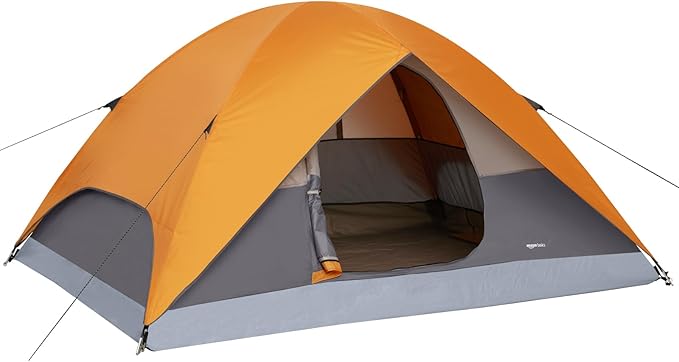
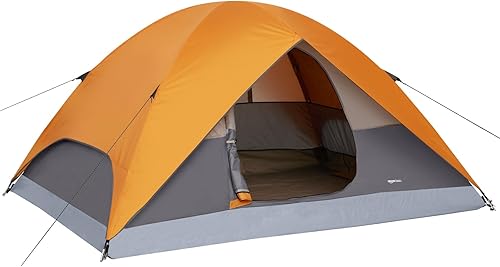
| Amazon Basics 3-Season Dome Tent | Loaner / overflow tent while Sundome cures | 10–15 min | Car camping |
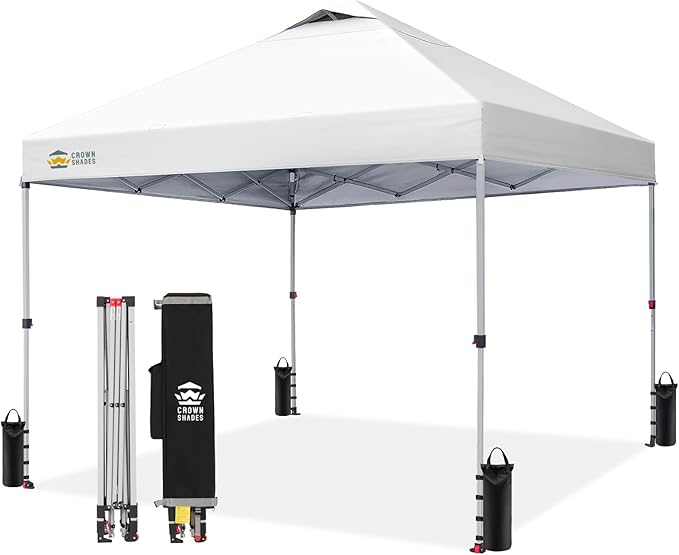
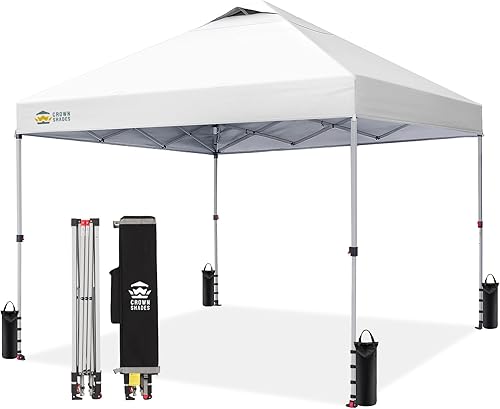
| CROWN SHADES 10x10 Pop Up Canopy (with pockets) | Dry kitchen + gear staging next to tent door | 2–3 min | Car camping |
| CROWN SHADES 10x10 CenterLok One-Push Canopy | One-person rain garage over Sundome vestibule | under 2 min | Car camping |
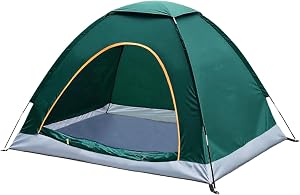
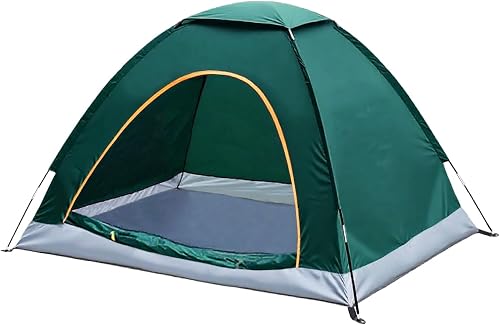
Amazon Basics 3-Season Dome Camping Tent with Rainfly
If your Sundome is mid-cure and you need to camp this weekend, this is the cheapest like-for-like loaner. It sleeps two to four depending on size, has a full-coverage rainfly out of the box, and ships with a factory PU coating that has not yet started its three-season clock. Keep it as a backup or hand it to a buddy on the same trip. Check the Amazon Basics 3-Season Dome Tent on Amazon.
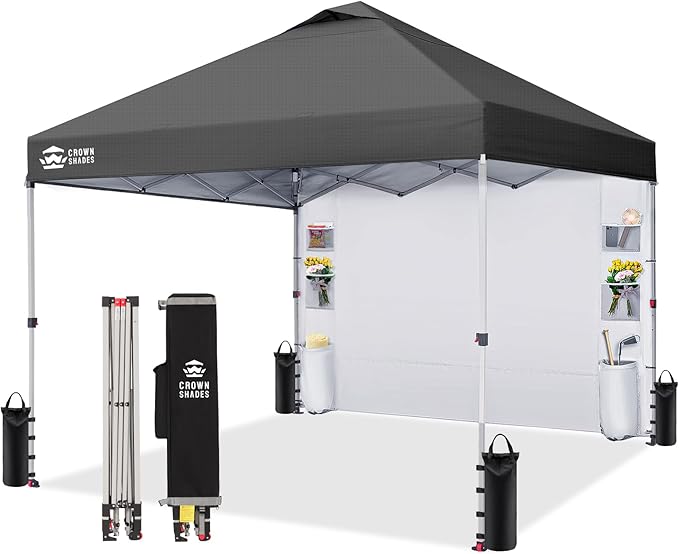
CROWN SHADES 10x10 Pop Up Canopy Tent with Pockets
The single best thing you can add to a Coleman Sundome setup is a 10x10 canopy pitched right over the door. It gives you a dry place to take boots off, cook, and stage wet gear — which is exactly what keeps moisture out of the tent and stops the seam-failure cycle from restarting. The mesh pockets on this version are a small but useful touch for headlamps and keys. See the CROWN SHADES 10x10 with pockets on Amazon.
CROWN SHADES 10x10 Pop Up Canopy, CenterLok One-Push
If you camp solo or arrive late and need shelter up fast, the CenterLok version goes from bag to standing in under two minutes with one person. I use it as a "rain garage" pitched directly over the Sundome's vestibule when forecasts call for sustained rain — it sheds water before it ever hits the fly seams, which is the best long-term protection you can give a re-sealed tent. See the CROWN SHADES CenterLok canopy on Amazon.
Field-testing the re-treatment
Before you commit the tent to a real trip, do a 20-minute hose test in the backyard. Spray the fly from above at moderate pressure and crawl inside with a dry hand. Check the ridge, the four corners of the floor, and the door zipper coil — those are the failure points in 90% of three-season Sundomes. Any seepage means a second thin coat of Seam Grip on that spot and another overnight cure.
For more on field maintenance between trips, our guide on best tent storage practices for 2026 covers the pack-away routine that keeps a freshly sealed Sundome from going back to leaky in one season. And if you are still deciding whether to repair or replace, the breakdown at repair vs replace for a budget dome tent walks through the math.
Frequently Asked Questions
Can I use silicone seam sealer on a Coleman Sundome?
No. The Sundome fly is polyester with a polyurethane coating, and silicone-based sealers (the kind made for silnylon tents) will not bond to PU. Stick with a urethane sealer like Gear Aid Seam Grip WP, which is chemically compatible with the factory coating.
How long does a re-sealed Coleman Sundome last before needing treatment again?
With a full interior seam re-seal plus a Tent Sure PU recoat, expect two to three more seasons of normal use. If you camp more than 30 nights a year or store the tent in a hot garage, plan on re-coating the fly underside every 18 months even if the seams still look good.
What is the orange sticky residue on the inside of my Sundome fly?
That is the polyurethane coating hydrolyzing — breaking down into a tacky byproduct. It happens when the tent is packed damp or stored in heat. Strip it with isopropyl alcohol before you apply new sealer; otherwise nothing will bond.
Do I need to seal the floor seams or just the rainfly?
Seal both. The bathtub floor takes hydrostatic pressure from anyone kneeling or sitting on it during rain, and the floor seam tape fails on roughly the same three-season timeline as the fly tape. Apply Seam Grip to the inside of the floor along all four corner seams.
Can I waterproof a Coleman Sundome without taking it down between coats?
Yes — that is actually the right way to do it. Pitch the tent fully, work on the fly while it is taut over the poles, and leave it standing the entire 24–48 hour cure. Taking it down mid-cure will fold tacky sealer onto itself and bond seams shut.
Will Scotchgard or generic fabric waterproofing spray work on tent seams?
It will restore some surface beading on the outside of the fly but it does not seal stitch holes — which is where three-season Sundomes actually leak. Use a DWR spray as a finishing step after seam-sealing the inside, not as a replacement for it.
Is it worth re-sealing an older Sundome or should I just buy a new tent?
If the poles are straight, the zippers still run, and the fabric has no UV-rot tears, re-sealing is a $35 fix that buys two to three seasons. Replace only if the fly fabric tears when you pinch it — that is UV degradation that no sealer can fix.
Key Takeaways
- Choosing the right how to waterproof coleman sundome seams after three seasons of use means matching capacity and output ports to your actual devices
- Always check actual watt-hours (Wh), not just watts — runtime depends on Wh, not peak output
- Also covers: reseal coleman sundome seams
- Also covers: sundome seam sealing old tent
- Also covers: refresh waterproofing sundome 4
- Compare price-per-Wh across models to find the best value for your budget