For Himalayan expedition cooks weighing the Jetboil Flash vs MSR Reactor Himalayan altitude question, the short answer in 2026 is this: the MSR Reactor is the better choice above roughly 5,000 m because its enclosed radiant burner sustains output in thin, cold, windy air and melts snow far faster than the Jetboil Flash. The Jetboil Flash remains an excellent stove for trekkers and lower base camps up to about 4,500 m, where its piezo ignition, lighter weight and faster boil for small water volumes make it the more practical pick. Pick the Reactor when you are melting litres of snow for a rope team; pick the Flash when you are brewing a single mug of tea on a teahouse trek.
Why altitude changes the stove math
Canister stoves behave very differently at 5,300 m than they do in a backyard. Three things conspire against you on a Himalayan expedition: lower atmospheric pressure reduces the partial pressure of oxygen reaching the flame, ambient temperatures often sit below −15°C, and katabatic winds at high camps will steal heat from any exposed pot. The classic Jetboil Flash uses an open burner with a finned heat exchanger and relies on a relatively narrow, hot flame. The MSR Reactor uses a fully enclosed radiant burner that pre-mixes fuel and air inside a ceramic-faced combustion chamber, so it produces heat through a glowing surface rather than a turbulent flame. That distinction is the entire reason this comparison exists.
At sea level, both stoves can boil half a litre of water in roughly the same window. By the time you reach Lobuche or Concordia, the Flash's open flame is fighting wind and depressed combustion efficiency, while the Reactor's enclosed burner barely notices the gusts. Expedition cooks who shuttle between camps will feel this gap most acutely when they are melting snow at dawn for ten climbers waiting on rope.
Jetboil Flash vs MSR Reactor Himalayan altitude: head-to-head
Below is a practical comparison built around the metrics that actually matter when you are squatting in a vestibule at 5,800 m, not in a magazine test kitchen.
| Feature | Jetboil Flash | MSR Reactor 1.7L |
|---|---|---|
| Burner type | Open flame with FluxRing heat exchanger | Enclosed radiant/convective burner |
| Weight (stove + pot) | ~371 g | ~488 g |
| Boil time, 0.5 L, sea level | ~100 s | ~90 s |
| Boil time, 1 L, 5,000 m + 15 km/h wind | ~5–7 min (variable) | ~3–4 min |
| Snow-melt throughput | Mediocre; flame loses to wind | Excellent; wind-immune by design |
| Ignition | Piezo built in | Manual (lighter required) |
| Best altitude band | Trek to ABC, up to ~4,500 m | High camps, 4,500–7,500 m |
| Fuel | Iso-butane / propane blend canister | Iso-butane / propane blend canister |
Where the Jetboil Flash earns its place
The Flash is a personal stove. On an Everest Base Camp trek, an Annapurna Circuit lodge crossing or a Stok Kangri-style acclimatisation rotation up to 5,000 m, it is genuinely hard to beat. The integrated cosy keeps a half-litre of water hot enough for a freeze-dried meal, the piezo lights with a click even when your fingers are cold, and the whole rig packs inside its own cup. For a solo climber or a single trekker brewing coffee outside a teahouse, the Flash wins on weight, simplicity and speed-to-first-sip.
The Flash also shines as a backup. Many expedition teams carry a Reactor for snow melt and a Flash for personal beverages, because firing up the big stove to brew one mug is wasteful when canister supply is rationed. Where it falls short is the exposed flame: any wind above ~10 km/h roughly doubles boil time, and at 6,000 m the combustion is visibly weaker because the open flame depends on ambient oxygen reaching the burner head.
When to leave the Flash at base camp
Above Camp 2 on most Himalayan 8,000-m peaks, the Flash struggles. You will burn through canisters chasing boils that the Reactor finishes in half the time. If your itinerary takes you above the South Col, Camp 3 on Manaslu or anywhere on Cho Oyu's upper mountain, the Flash should stay at ABC as a brew kit for rest days.
Why the MSR Reactor dominates high camps
The Reactor's enclosed burner is essentially a small radiant heater pointed at a wide, flat-bottomed pot with a tightly machined heat exchanger ring. Because combustion happens inside the burner cup, the flame cannot be blown out, and the radiated heat is largely unaffected by wind. Field tests from Himalayan operators consistently report 1 L boils in under four minutes at 6,400 m — times the Flash simply cannot match in the same conditions.
The Reactor is also the better choice for snow melt because the wide, low pot accepts chunks of snow well and the burner output is consistent enough that you can stack snow on top of slush without choking the flame. Expedition cooks running a Sherpa-supported camp will go through three to five litres per climber per day; over a six-week expedition, the Reactor's faster throughput translates directly into fewer canisters carried up the mountain.
The trade-offs are real, though. The Reactor is heavier, it has no piezo (carry two lighters and a ferro rod), and the regulator dislikes very low canister pressure. The MSR remedy is the inverted-canister WindBurner Duo or the liquid-fuel XGK for sub −20°C, but for the 4,500–7,000 m band, the Reactor 1.7 L remains the sweet spot.
Base camp and approach kit that complements either stove
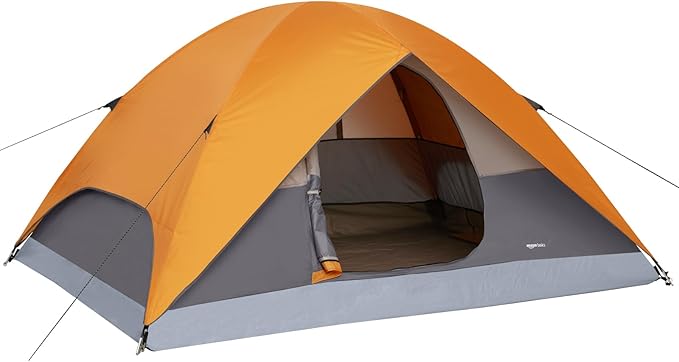
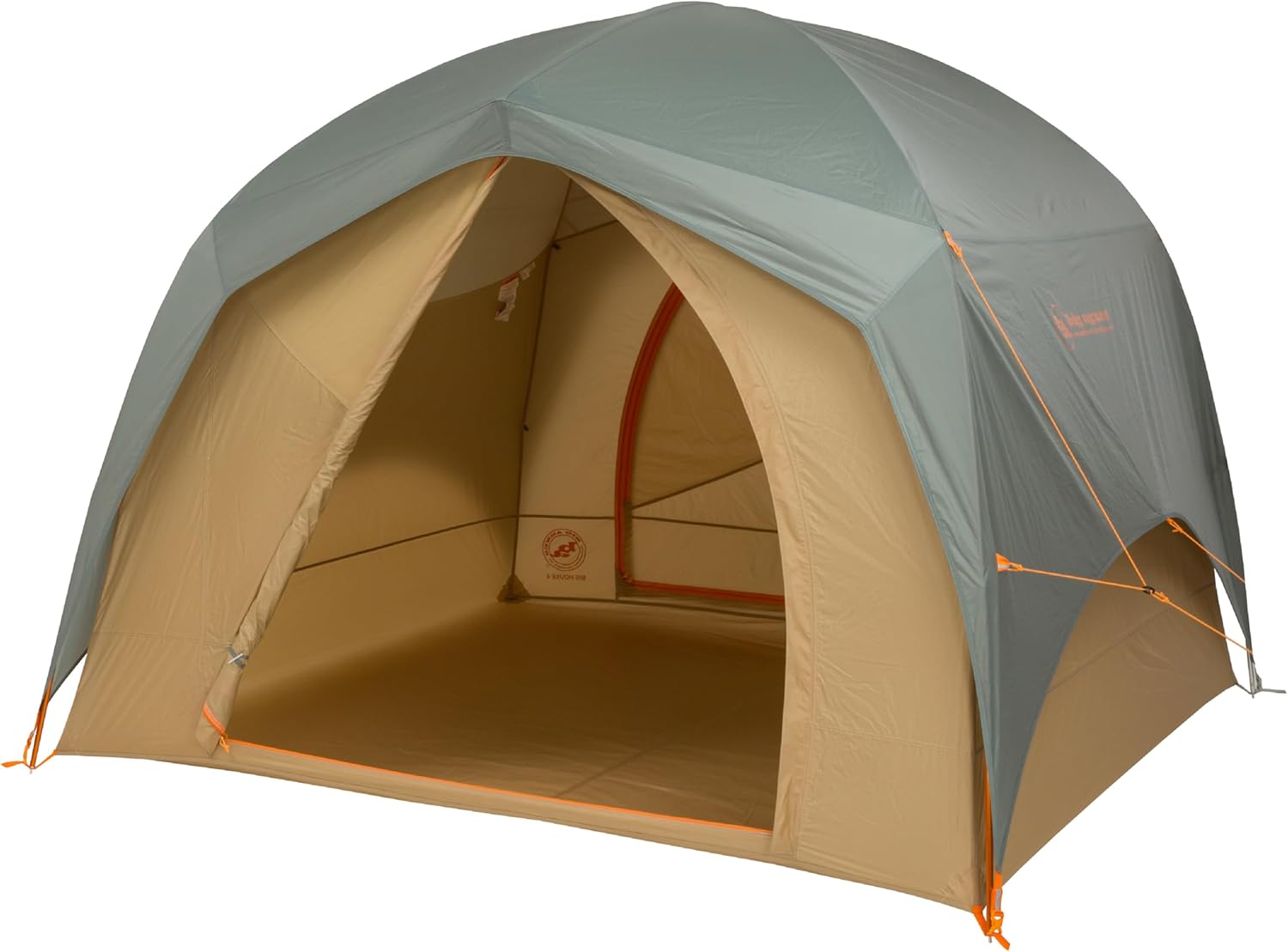
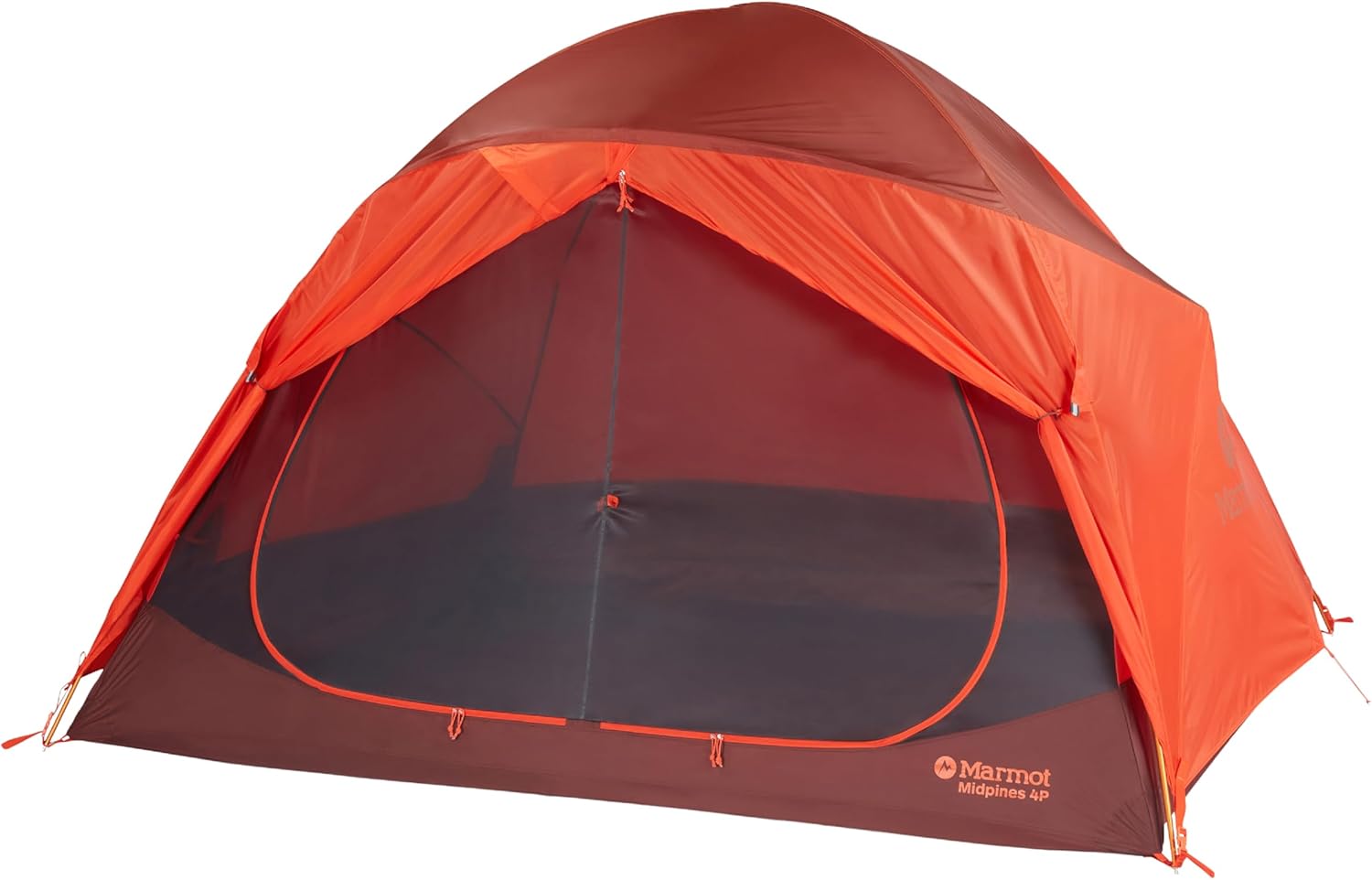
A stove is only as effective as the shelter you cook beside. Most Himalayan teams stage out of a base camp mess tent with a separate cook tent, then move to lightweight high-altitude shelters above ABC. For the approach trek, where teahouses are full and you bivvy outside Lukla, Phaplu or Manali, a budget three-season dome makes a sensible duffel addition for porters or staff. The Amazon Basics 3-Season Dome Camping Tent with Rainfly is not a high-altitude tent and we would never recommend it above 4,000 m, but it is a useful low-cost approach shelter for staff staging at trailheads.
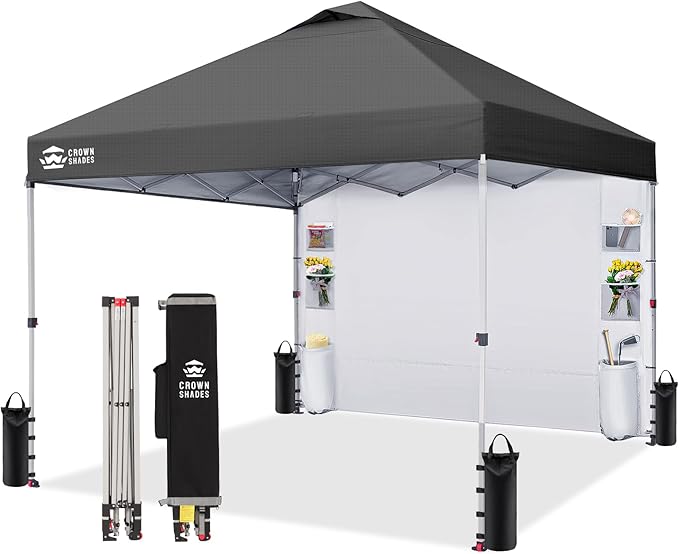
At base camp itself, a wind-walled mess area dramatically improves cook morale. Teams in the Khumbu and Karakoram routinely rig a pop-up canopy as a daytime kitchen and dining shelter, anchored heavily and surrounded by rock walls. The CROWN SHADES 10x10 Pop Up Canopy Tent with Pockets works for sheltered glaciated base camps where wind exposure is moderate and you can stake into moraine; the pockets help organise lighters, canisters and pot lifters.
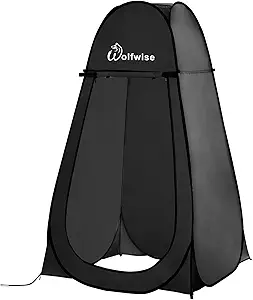
For longer expeditions where staff need a private wash space at base camp, a portable changing/shower enclosure is a small luxury that pays off in hygiene. The Wolfwise Pop Up Shower/Changing Tent packs small and gives Sherpas and porters a wind-shielded space to rinse off after summit rotations. None of these items belong above ABC, but they are quietly useful at the kitchen-tent end of the Jetboil Flash vs MSR Reactor Himalayan altitude conversation.
Recommended expedition stove pairing
MSR Reactor 1.7 L — the snow-melt workhorse
Buy the Reactor if your itinerary crosses 5,000 m and you need to feed more than two climbers. Pair it with two 230 g iso-butane canisters per climber per week of high-camp use, and warm each canister inside your jacket for ten minutes before lighting at sub-zero temperatures.
Jetboil Flash — the personal brew kit
Buy the Flash for the trek in, for rest days at base camp, and as a redundant brew stove for the lead guide. Its piezo and integrated cup make it the right tool for one-mug jobs where firing up the Reactor is overkill.
Practical fuel and field notes
Both stoves run on screw-thread iso-butane/propane canisters, which are now reliably available in Kathmandu, Skardu and Leh in 230 g and 450 g sizes. Plan on roughly 25–30 g of fuel per litre of water boiled at altitude, with snow melt closer to 50–60 g per litre. Always store canisters horizontally inside the tent at night (never inside your sleeping bag near your face), and keep a foam pad under the canister on snow to slow heat loss into the surface.
If you are debating best canister stoves for high-altitude mountaineering more broadly, the Reactor and WindBurner family are usually the only canister rigs that perform reliably to 7,000 m. For higher peaks consider liquid-fuel stoves; see our liquid-fuel vs canister stoves for 8,000 m peaks piece. Cooks staging out of fixed base camps will also want to read our base camp kitchen tent setup checklist.
Frequently Asked Questions
Can a Jetboil Flash boil water at Everest Base Camp (5,364 m)?
Yes, but slowly. Expect 4–6 minutes for 0.5 L of water in calm conditions, doubling in wind. Warm the canister against your body first and shield the burner with a rock wall. Above EBC the Flash becomes impractical and the MSR Reactor is the smarter choice.
Does the MSR Reactor work in extreme cold below −20°C?
The Reactor itself burns fine, but the iso-butane/propane canister loses pressure rapidly below −15°C. Many expedition teams switch to the MSR WindBurner with inverted canister mode or to a liquid-fuel XGK below −20°C. For most 6,000–7,000 m objectives, keeping the canister warm inside a jacket pocket before lighting is sufficient.
How many gas canisters do I need for a two-week Himalayan trek?
For a solo trekker using a Jetboil Flash purely for hot drinks and breakfast, plan on one 230 g canister per 5–7 days. For two climbers melting snow at high camp with a Reactor, plan on one 230 g canister every 1–2 days. Always carry 25% surplus to cover storm days.
Which is safer to use inside a vestibule, the Jetboil Flash or MSR Reactor?
Neither stove is safe to use inside a closed tent because both produce carbon monoxide. The Reactor's enclosed burner actually produces more CO than an open-flame stove in some conditions. Always cook in a vestibule with the door rolled fully open, or in a dedicated cook tent with cross-ventilation.
Is the Jetboil Flash worth taking on a Himalayan expedition at all?
Yes, as a secondary stove. Lead guides and climbers value the Flash for quick personal brews on rest days at base camp, on the approach trek, and as a redundant unit if the Reactor regulator clogs. Its weight penalty is small and the piezo ignition is genuinely useful when fingers are cold.
How does altitude affect canister stove boil time exactly?
For every 1,000 m of elevation gain above sea level, expect roughly 5–10% longer boil times for open-flame stoves like the Jetboil Flash, and roughly 3–5% longer for enclosed radiant burners like the MSR Reactor. Cold ambient temperatures compound this by reducing canister pressure, which is why warming the canister matters so much.
What is the best stove for melting snow on a Himalayan expedition?
For canister fuel, the MSR Reactor 1.7 L is consistently the fastest and most wind-resistant option up to about 7,000 m. Above 7,000 m or in temperatures below −20°C, switch to a liquid-fuel stove such as the MSR XGK EX, which thrives on white gas and is the standard for 8,000 m peaks.
The verdict
If you can only buy one stove for a Himalayan expedition above 5,000 m, the MSR Reactor is the right answer. If you have budget for two, take a Reactor for the high camps and a Jetboil Flash for the approach and rest-day brews. Both are excellent tools — the trick is recognising that they solve different problems, and the altitude you actually plan to cook at decides which is the protagonist of your kit list.
Key Takeaways
- Choosing the right Jetboil Flash vs MSR Reactor Himalayan altitude means matching capacity and output ports to your actual devices
- Always check actual watt-hours (Wh), not just watts — runtime depends on Wh, not peak output
- Also covers: high altitude stove comparison
- Also covers: expedition stove for Himalayas
- Also covers: Jetboil at altitude performance
- Compare price-per-Wh across models to find the best value for your budget