For jetboil flash vs msr windburner for coastal fog and marine layer cooking, the short answer in 2026 is this: if you mostly boil water for coffee, freeze-dried meals, and oatmeal on a foggy beach campsite where the air is damp but the wind stays under 15 mph, the Jetboil Flash is the faster, lighter, cheaper pick. If you camp on exposed bluffs, headlands, or open shoreline where the marine layer rolls in with steady 15–30 mph onshore wind and horizontal drizzle, the MSR Windburner is the stove that will actually light, stay lit, and finish your boil without wasting half a canister.
Coastal cooking is its own category. Salt-laden fog soaks your gear, condensation forms on every cold surface, fuel canisters lose pressure as temperatures drop into the 40s and low 50s overnight, and wind off the water rarely behaves like the gusts you get inland. Both of these stoves are integrated canister systems with heat exchangers, but they solve the marine-layer problem in very different ways. Below is the full breakdown so you can pick the right one for your specific stretch of coast.
Quick comparison: Jetboil Flash vs MSR Windburner on the coast
Top Picks
| Spec | Jetboil Flash | MSR Windburner 1.0L |
|---|---|---|
| Burner type | Open jet with FluxRing | Enclosed radiant pressure regulator |
| Boil time (0.5L, calm) | ~100 seconds | ~135 seconds |
| Boil time (0.5L, 20 mph wind) | 3:30–5:00, often fails to boil | ~2:30, boils reliably |
| Performance in 45°F damp fog | Good with full canister | Excellent, pressure regulated |
| Wind resistance | Fair (open burner) | Excellent (sealed combustion) |
| Piezo igniter | Yes | No (lighter required) |
| Simmer control | Minimal | Minimal |
| Weight | 13.1 oz | 15.5 oz |
| Price (2026) | ~$120 | ~$200 |
| Best for | Sheltered beach sites, car camping near coast | Exposed bluffs, sea kayaking, mountaineering coasts |
Why coastal fog and marine layer change the math
Inland canister stove reviews almost always test in calm, dry air at room temperature. That's not the world you cook in along the Pacific Coast, the Olympic Peninsula, the Maine shoreline, or anywhere a stratus deck parks overhead from June through August. Three things break the assumptions of a normal stove test.
First, fog deposits a continuous film of moisture on the burner head, the pot, the windscreen, and your hands. An open-jet stove like the Jetboil Flash relies on a clean, stable flame that wraps around the FluxRing heat exchanger. Add condensation and a 10 mph onshore breeze, and that flame starts ghosting, flickering yellow, and losing heat to the wind instead of the pot.
Second, canister pressure drops with temperature. A marine layer typically sits around 48–55°F even on a summer morning. An isobutane/propane canister at 50°F delivers noticeably less output than the same canister at 70°F. The Windburner's pressure regulator compensates for this; the Flash's simple on/off valve does not.
Third, salt corrosion. Both stoves will survive a season of coastal use, but the Windburner's enclosed combustion chamber keeps salt spray off the actual burner element. The Flash's exposed jet can collect salt residue that affects flame pattern over time. Rinse either stove in fresh water after a trip and they'll both last years.
Jetboil Flash on the coast: where it wins
The Flash is the stove I hand to friends who are car camping at a state park beach campground, where the actual cooking spot is in the lee of a Sitka spruce or behind a windbreak. In those conditions it is genuinely excellent. The piezo igniter lights first try even with damp hands, the color-change heat indicator on the cozy tells you when water is at a rolling boil from across camp, and 100-second boil times mean you're drinking coffee before the kettle on the next site has even started hissing.
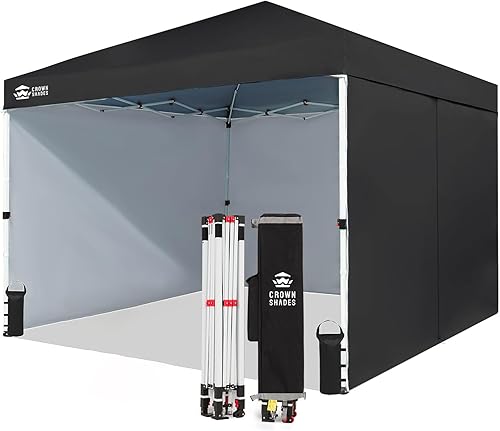
For coastal car campers, I usually pair the Flash with a proper shelter so the stove isn't sitting in direct drizzle. A pop-up canopy gives you a dry cooking platform and cuts wind dramatically.
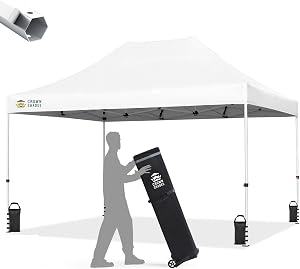
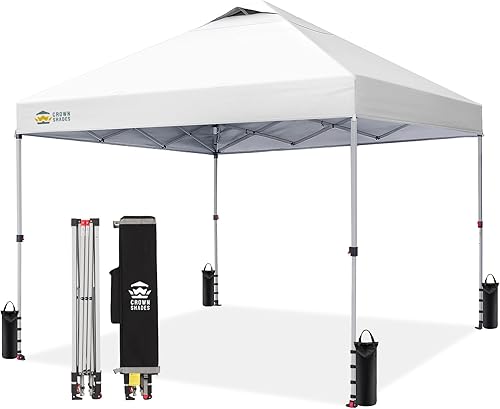
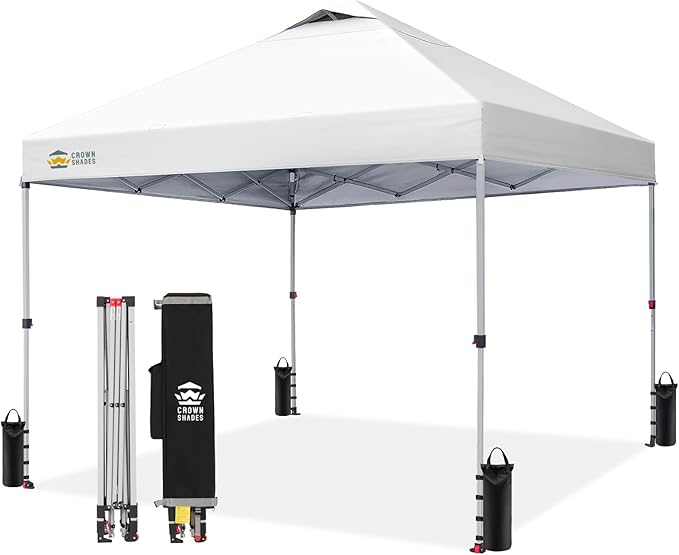
Best canopy to pair with the Jetboil Flash for beach cooking
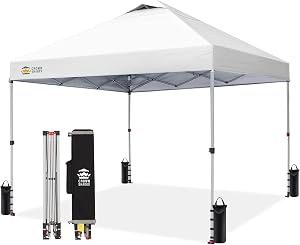
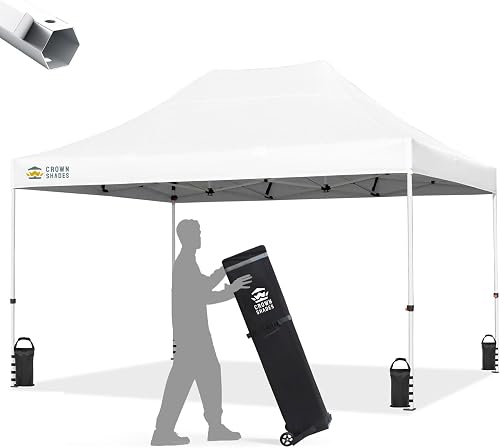
The CROWN SHADES 10x10 with the CenterLok one-push frame goes up in under two minutes solo, which matters when the fog rolls in and you need cover now. The integrated pockets hold canisters, lighters, and a small dry towel for wiping the burner. Check the CROWN SHADES CenterLok canopy on Amazon.
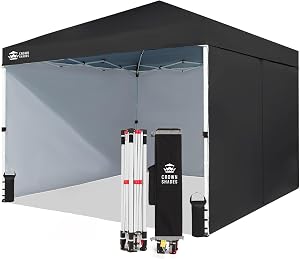
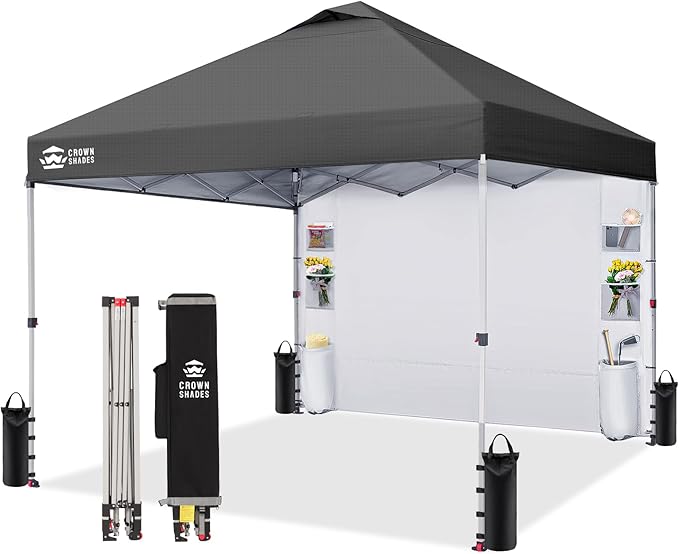
If you want a canopy with extra mesh pockets for organizing cookware and condiments at a long weekend basecamp, the pocketed version of the same line is worth a look: CROWN SHADES 10x10 Pop Up Canopy with Pockets.
MSR Windburner on the coast: where it wins
The Windburner was designed by people who clearly cook in bad weather. The burner is a radiant element inside a sealed combustion chamber, with a pressure regulator on the fuel line. Wind cannot reach the flame because there is no exposed flame — the heat is radiated upward into the pot through a perforated steel ring. The result is a stove that does not care about a 20 mph onshore breeze, drizzle, or a canister that started the trip at 45°F.
For sea kayakers paddling the San Juan Islands, backpackers on the Lost Coast, surfers cooking out of the back of a truck at Ocean Beach in August, or anyone hiking in to a bluff campsite on the North Coast, the Windburner is the stove that just works. It costs more, weighs slightly more, and you have to carry a separate mini-Bic, but it will finish your boil when the Flash would still be flickering.
The fuel canister question on the coast
Both stoves use standard threaded isobutane/propane canisters (MSR IsoPro, Jetboil Jetpower, Coleman, Primus, all interchangeable). On the coast in summer the standard 80/20 isobutane/propane mix is fine. For shoulder-season coastal trips in October or April when overnight temps drop to the high 30s, look for the winter-blend canisters with more propane. The Windburner's regulator extracts more usable fuel from a cold canister than the Flash does — expect roughly 12 boils per 100g canister with the Windburner versus 8–10 with the Flash in 50°F damp conditions.
What about a real campsite setup for coastal cooking?
The stove is only one piece. A foggy beach camp needs a dry sleeping system, a wind-managed cooking area, and somewhere to change out of damp clothes. If you're building out a coastal car-camping kit around either stove, a few pieces consistently get rave reviews from readers of our Pacific Coast car camping checklist.
Three-season tent that handles marine-layer condensation
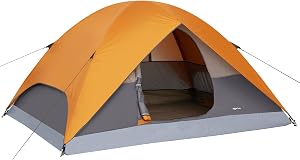
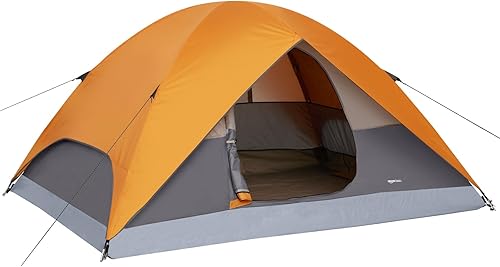
Coastal tents need a full-coverage rainfly with good vestibule ventilation, because the inside of any tent on the coast will sweat from the temperature differential between your body and the foggy outside air. The Amazon Basics 3-Season Dome is a budget-friendly option that genuinely works for sheltered beach campsites — the rainfly is full coverage and the price leaves room in the budget for the Windburner. See the Amazon Basics 3-Season Dome Tent on Amazon.
Changing tent for getting out of wet layers
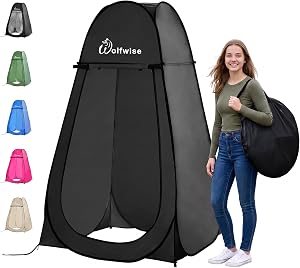
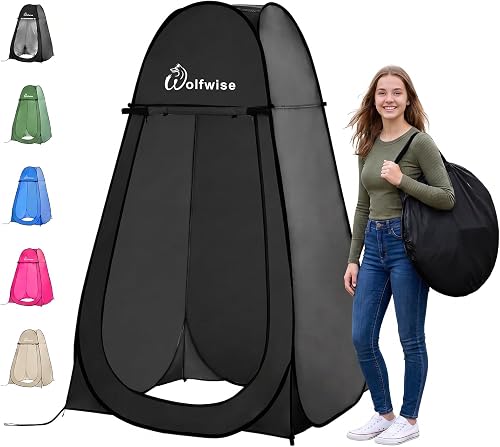
One thing experienced coastal campers know: you will get wet, and changing out of salt-damp clothes inside your sleeping tent ruins the sleeping tent. A dedicated changing tent solves this. The Wolfwise Pop Up is the one I keep recommending because it sets up in about 10 seconds and packs down to a disc. Check the Wolfwise Pop Up Shower/Changing Tent on Amazon.
Hammock for between-spruce naps above the fog line
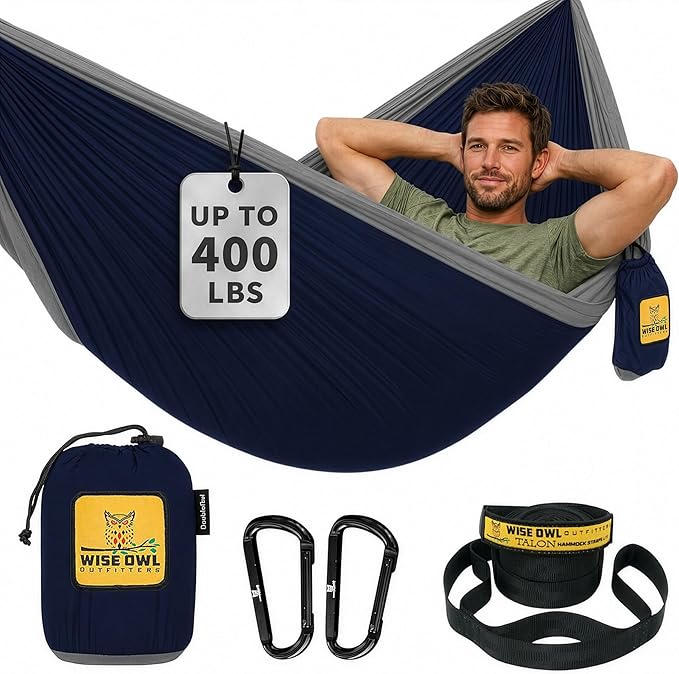
Bluff campsites with spaced Sitka spruce or shore pine are perfect for a hammock nap when the marine layer breaks for an hour in the afternoon. The Wise Owl rates to 500 lbs and includes tree straps, which is the part most cheap hammocks skip. See the Wise Owl Outfitters Hammock with straps on Amazon.
Verdict on jetboil flash vs msr windburner for coastal fog and marine layer cooking
If your budget tops out around $120 and you camp at developed coastal campgrounds with windbreaks, get the Jetboil Flash. Pair it with a pop-up canopy and you'll cook faster and lighter than you have any right to. If your budget allows $200 and you camp on exposed coast, paddle in, backpack in, or just want a stove that you will never have to baby in bad weather, the MSR Windburner is the right call for jetboil flash vs msr windburner for coastal fog and marine layer cooking. Most readers of our best canister stoves for wet weather guide end up at the Windburner after one too many failed boils with an open-burner stove.
Frequently Asked Questions
Does the Jetboil Flash work in 20 mph onshore wind without a windscreen?
Not reliably. The Flash's open jet burner is rated for light wind, and at 20 mph onshore you'll see significant flame deflection, longer boil times (3–5 minutes instead of 100 seconds), and sometimes flame-out. Either use a windbreak (rock outcrop, canopy wall, vehicle), move into the lee of vegetation, or step up to a Windburner-class stove. Do not use a wrap-around foil windscreen with the Flash — it traps heat against the canister and is a fire risk.
How does the MSR Windburner perform in 50°F marine-layer fog with a half-full canister?
This is exactly the condition the Windburner's pressure regulator was designed for. A half-full 100g canister at 50°F will still deliver near-full output, and you'll get a 0.5L boil in roughly 2:30–3:00. The same canister on the Flash would deliver noticeably reduced flame and a boil time closer to 4 minutes, assuming wind stays below 10 mph.
Can I use either stove inside a tent vestibule during coastal drizzle?
Carbon monoxide is the real risk, not fire. Neither manufacturer endorses tent or vestibule cooking, and the enclosed-combustion Windburner produces CO just like any other stove. If you must cook under cover, use a tarp or canopy with open sides, never a closed vestibule. The fog will be wet but the air will be moving, which is what you want.
Which stove is better for boiling salt water for desalination in an emergency?
Neither is ideal — both stoves use heat exchangers that you do not want to coat with salt scale. For occasional emergency use, the Windburner's enclosed burner is slightly more forgiving because the salt residue lands on the pot interior rather than near the flame. For routine desalination, use a dedicated stainless pot on a remote canister stove instead.
How long does a 230g canister last when cooking two meals a day on the coast?
For two people doing morning coffee plus oatmeal and an evening freeze-dried meal each (roughly 2L of boil per day), a 230g canister will last about 4–5 days on the Windburner and 3–4 days on the Flash in 50°F damp coastal conditions. Always carry a spare 100g canister as backup, especially on multi-day trips where you cannot resupply.
Is the Jetboil Flash's piezo igniter reliable in salt air?
The piezo holds up well for the first year or two, then starts to fail intermittently as salt and humidity work into the mechanism. Always carry a mini-Bic lighter as backup regardless of which stove you bring. Many experienced coastal users skip the piezo entirely and light both stoves with a lighter to reduce wear. See our coastal camping gear maintenance guide for rinse-and-dry routines that extend igniter life.
Will either stove work with a windscreen on a tide-flat campsite?
The Windburner does not need one and a foil windscreen can actually reduce its efficiency by disrupting airflow into the burner intake. The Flash should never be used with a wraparound foil windscreen due to canister overheating risk. Use a natural or structural windbreak instead — a driftwood log, a vehicle, a canopy sidewall, or the lee of a dune.
Key Takeaways
- Choosing the right jetboil flash vs msr windburner for coastal fog and marine layer cooking means matching capacity and output ports to your actual devices
- Always check actual watt-hours (Wh), not just watts — runtime depends on Wh, not peak output
- Also covers: jetboil flash coastal humidity performance
- Also covers: windburner pacific coast fog cooking
- Also covers: marine layer canister stove comparison
- Compare price-per-Wh across models to find the best value for your budget