The best camping headlamp for hearing aid wearers sits high on the forehead, uses a soft over-the-crown strap, and leaves a clear channel behind each ear so it never presses against a BTE (behind-the-ear) or RIC (receiver-in-canal) device. In short: look for a slim, lightweight headlamp (under 3 oz), a wide elastic strap with a removable top band, a forward-tilting lamp head, and a red-light mode so you can find your hearing aid case at 2 a.m. without searing your retinas. This 2026 guide walks through behind-ear clearance, strap geometry, fit hacks, and the supporting camp gear that makes a headlamp-and-hearing-aid setup actually work in the field.
Why standard camping headlamps don't fit over hearing aids
A typical headlamp strap runs in a single horizontal band around the skull, passing directly over the top of each ear. For someone wearing BTE or RIC hearing aids, that strap path lands exactly on the device body, the tubing, or the receiver wire. The result is predictable and frustrating: aids get knocked loose, microphones whistle with feedback as the strap compresses against them, sweat pools under the rubber, and the tiny battery doors pop open. Cochlear implant processors are even taller and stick out farther from the skull, so a budget headlamp often won't even close around them.
When shopping for camping headlamp for hearing aid wearers, it pays to compare specs, capacity, and real-world runtime before committing.
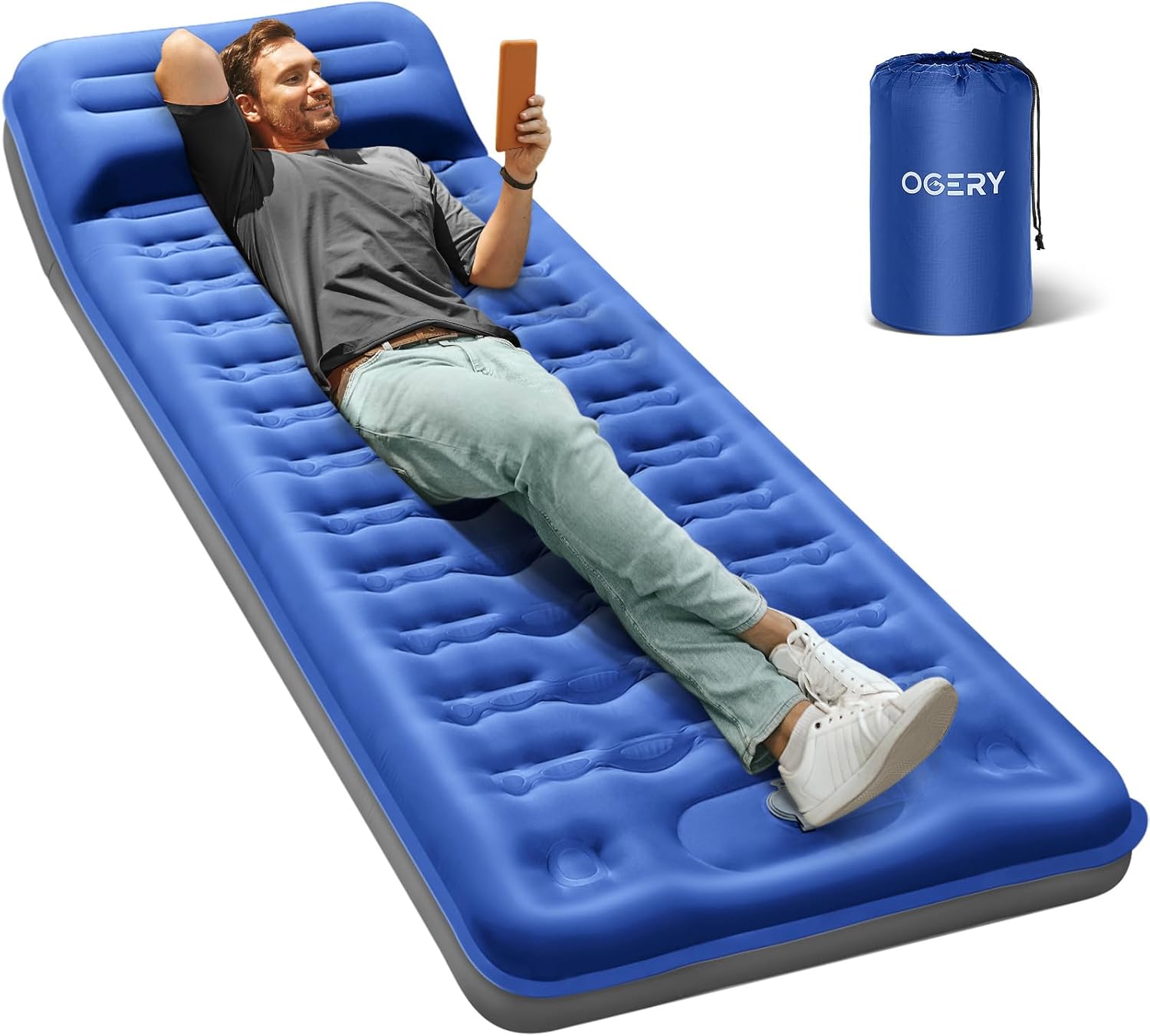
The fix isn't a louder light — it's a better strap geometry. A purpose-built camping headlamp for hearing aid wearers uses one of three approaches: a top crown strap that lifts the horizontal band higher above the ears, a split rear strap that splays around the device, or a clip-on hat-brim mount that takes the head harness out of the equation entirely.
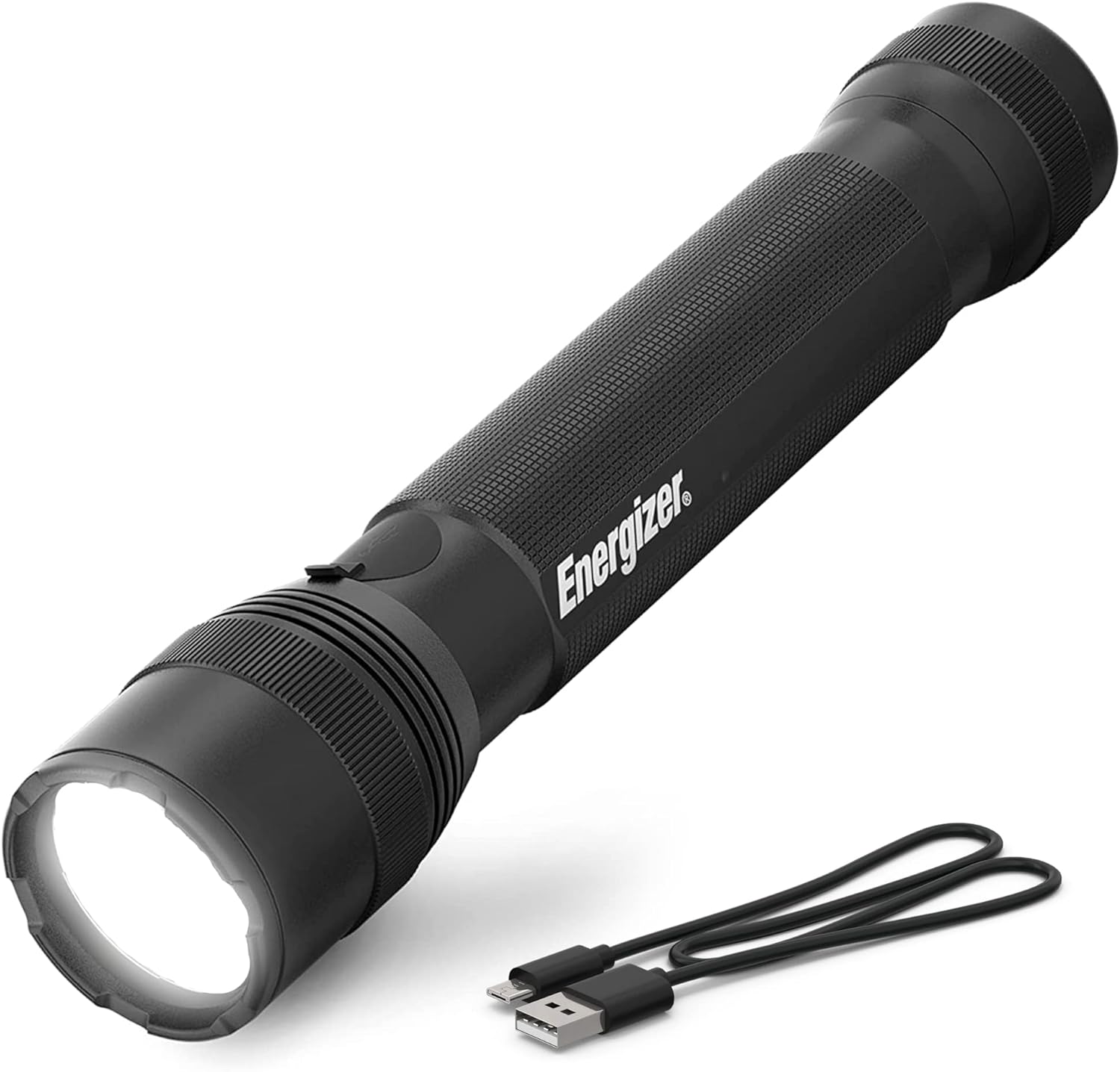
Key features to look for in 2026
Behind-ear clearance and strap height
Measure from the top of your ear canal to the highest point of your hearing aid (including any attached earmold or dome). For most adults that's 1 to 1.5 inches. You want a headlamp whose lower strap edge sits at least an inch above that mark when worn at the natural hairline. Headlamps marketed as "ultralight runner" or "thru-hiker" models tend to have narrower bands that ride higher than chunky 4-AA tactical lamps.
Top crown strap (the most important feature)
A removable or integrated over-the-top strap holds the main band high so it can't slide down onto your devices when you tilt your head to pitch a tent stake. This single feature solves 80% of fit complaints from hearing-aid users.
Weight under 3 ounces
Heavier headlamps need tighter straps to stay put. Tighter straps press harder against anything in their path. Sub-3-oz lamps can be worn loose enough that the band hovers above the hearing aid rather than clamping down on it.
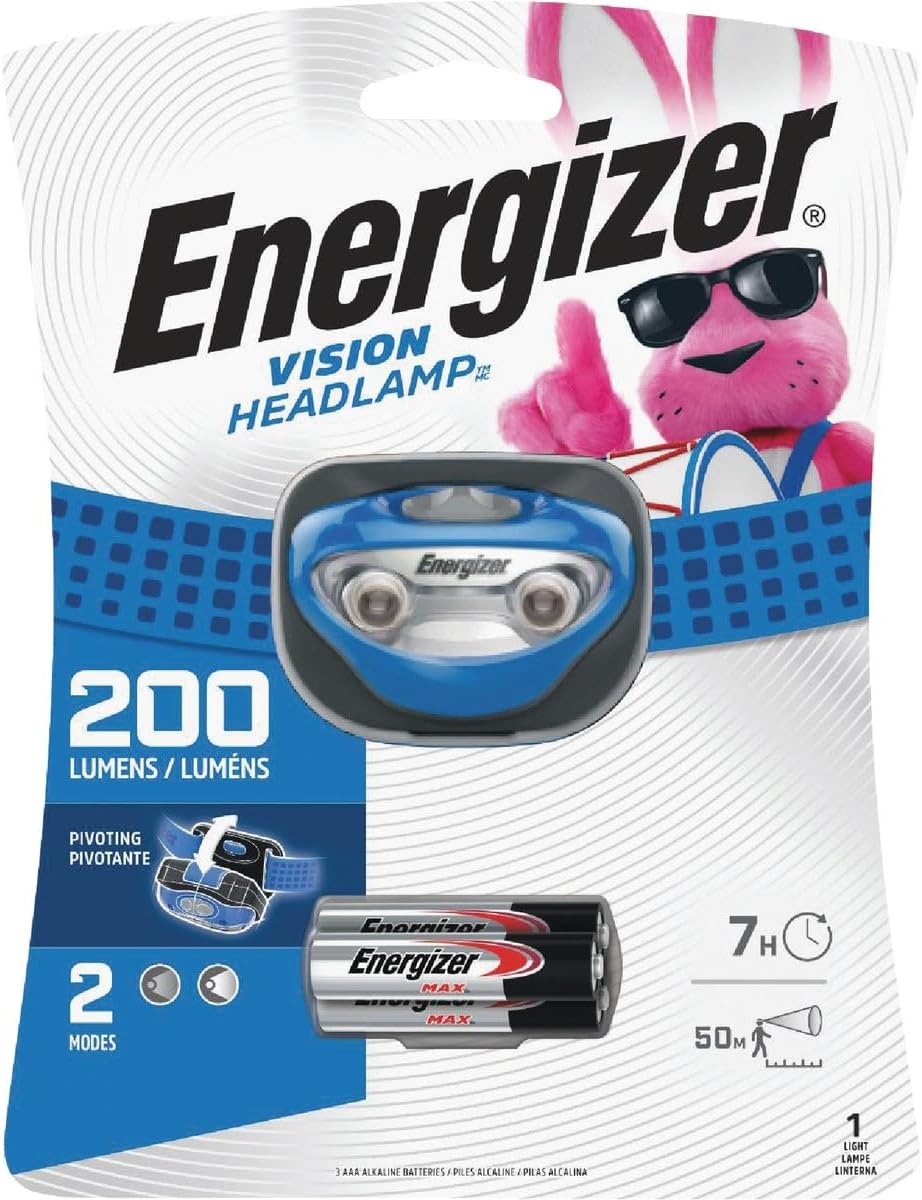
Soft fabric strap, no silicone grippers on the inside
Silicone anti-slip beading is great for sweaty trail runs, but it grabs the smooth plastic shell of a hearing aid and pulls it off when you take the headlamp off. Plain woven elastic releases cleanly.
Red-light and dim modes
Hearing aid wearers often rely on visual cues when ambient noise is overwhelming. A red mode preserves dark adaptation so you can scan your tent vestibule for the small dehumidifying jar that holds your aids overnight without blasting your sleeping partner.
Sealed battery compartment (IPX4 or higher)
Camp moisture is the enemy of both headlamps and hearing aids. An IPX4-rated lamp survives the same drizzle your aids barely tolerate, so you're not stuck choosing between light and dry electronics in the same downpour.
How to fit a headlamp around BTE, RIC, and cochlear devices
Put your hearing aids in first. Hold the headlamp by the lamp module and slide the strap up from your chin, not down from the crown — this keeps the band from catching the top of the device on entry. Position the lamp module just above your eyebrows and the rear strap junction at the crown of your head, not at the occipital bump (the bony lump at the back). With the top strap engaged, the rear band should sit a finger-width above the top of each ear. Run a finger between the strap and each hearing aid; if you can't slide it through cleanly, the band is too low.
For cochlear implant processors, consider a brim-clip headlamp instead. A clip-on attaches to a baseball cap and bypasses the strap entirely. Pair it with our recommendations in quiet camp stoves for light sleepers when you also want to minimize the auditory chaos around your devices.
Strap-fit comparison: what actually works
| Strap style | Hearing aid friendly? | Best for | Watch out for |
|---|---|---|---|
| Single horizontal band | Poor | No hearing aids | Presses directly on BTE/RIC bodies |
| Horizontal + top crown strap | Good | BTE and RIC users | Make sure top strap is adjustable, not fixed |
| Split rear strap (Y-yoke) | Very good | RIC and CI users | Rare; check that splay is wide enough |
| Hat brim clip (no strap) | Excellent | Cochlear implant users | Limited beam adjustment; needs a brimmed cap |
| Lantern + neck cord | Excellent | In-camp tasks only | Not hands-free at full range of motion |
Camp setup companions that make a hearing-aid-friendly headlamp work better
A great headlamp is only one piece of the puzzle. If you wear hearing aids, your campsite layout matters as much as your lighting because you rely on a predictable environment to compensate for reduced auditory cues at night. The gear below isn't headlamps — it's the supporting cast that makes a hearing-aid-friendly camp work. We've linked the specific Amazon listings we recommend for 2026 setups.
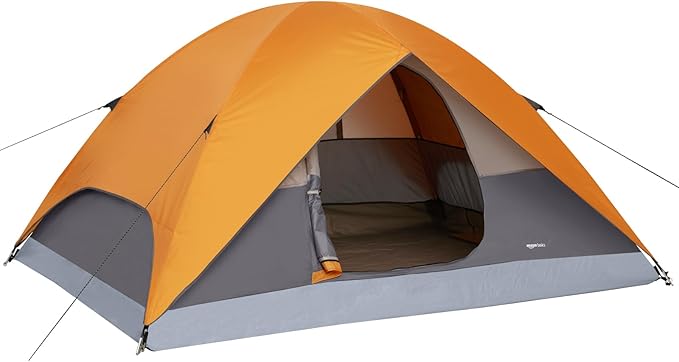
Amazon Basics 3-Season Dome Camping Tent with Rainfly
A simple, well-ventilated dome tent gives you a defined interior where you can place a hearing aid drying kit, a small dish for the aids overnight, and your headlamp in a known spot. The rainfly keeps condensation off your electronics — critical when your devices cost more than the tent. The dome shape also gives you headroom to sit upright while you remove or insert your aids, which is much easier than fumbling lying down. View the Amazon Basics 3-Season Dome Tent on Amazon.
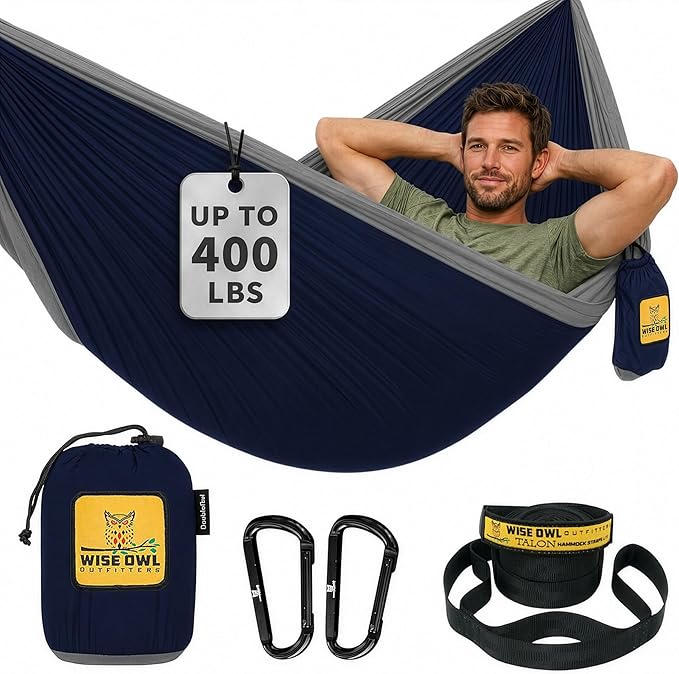
Wise Owl Outfitters Camping Hammock (500 lb capacity, tree straps included)
A hammock makes a brilliant "hearing aid station" at base camp. Sling it low between two trees, drape a small ditty bag across the ridge, and you have a soft, contained area to take aids in and out without ever bending over. The 500 lb capacity is generous enough that you can sit upright inside it while you wipe down your devices at the end of the day. Pair it with a headlamp's red mode so you don't blind your partner across camp. View the Wise Owl Outfitters Camping Hammock on Amazon.
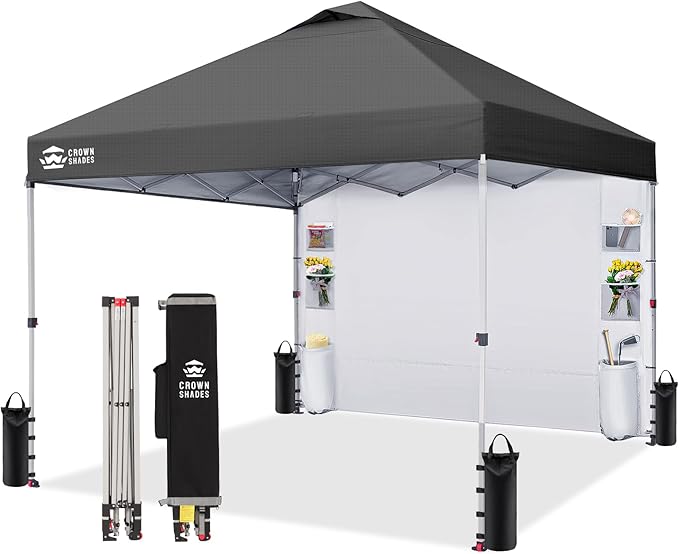
CROWN SHADES 10x10 Pop Up Canopy Tent with Pockets
A pop-up canopy with built-in pockets creates a shaded, semi-enclosed daytime zone for car camping. The pockets are the unsung feature for hearing aid users: a designated mesh pocket holds your drying capsule, spare batteries (size 312, 13, or 675 depending on your model), and a small brush for cleaning wax guards. The shade also cuts the harsh midday glare that makes reading your headlamp's button labels harder. View the CROWN SHADES Pop Up Canopy with Pockets on Amazon.
Wolfwise Pop Up Shower/Changing Tent
For multi-day trips, a private changing tent is where you take your hearing aids out for cleaning, swap batteries, and rinse off without exposing the devices to splashes. The fully enclosed design blocks wind-driven dust that can clog microphone ports. Set it up next to your sleeping tent so you have a short, well-lit (with that hearing-aid-friendly headlamp) path between the two. View the Wolfwise Pop Up Changing Tent on Amazon.
Headlamp habits worth building if you wear hearing aids
Always tilt the lamp head down before flipping the switch. A horizontal beam at full brightness is disorienting for everyone but especially so when you also process speech visually through lipreading — the bright spot pulls your eyes away from the speaker. Use the lowest mode that gets the job done; 30 to 50 lumens is plenty for in-camp tasks. Stash a spare set of headlamp batteries in the same pouch as your hearing aid batteries so you never end up choosing between hearing and seeing in the dark.
If you camp with companions, agree on light signals for common situations: two short flashes from a tent door means "come here," a held red beam means "stay put." These small protocols substitute beautifully for the quiet voice calls that are hard to hear at night. For more on quiet-camp conventions, see our companion guide to camping gear for light sleepers.
Storage and overnight care
At the end of each day, take your hearing aids out before you take your headlamp off. Place them in a dehumidifying jar inside the tent, then remove the headlamp and put it next to the jar. This sequence prevents the most common field accident: the headlamp strap snagging an aid as you pull it over your head, sending the device flying into the dirt. A small carabiner clipped to a tent loop gives the headlamp a fixed home, which means you'll never be hunting for it during a 3 a.m. trip outside.
For longer trips, see also our notes on camping sleeping bags for side sleepers — a bag with a fully zippered hood that doesn't compress your ears is a natural pairing with a hearing-aid-friendly headlamp setup.
Frequently Asked Questions
What kind of headlamp is best for behind-the-ear hearing aids?
Look for a lightweight headlamp (under 3 oz) with a removable top crown strap, a plain fabric rear band (no silicone grippers on the inside), and a forward-tilting lamp head. The crown strap lets the horizontal band ride above your hearing aids instead of pressing on them. Petzl Bindi, Black Diamond Sprinter, and Nitecore NU-series lamps all use this style of strap geometry.
Will a headlamp damage my hearing aids?
A headlamp itself won't damage the electronics, but the strap can knock devices loose, scratch the shell, or compress the microphone ports and cause whistling feedback. Sweat trapped under a rubber strap is a bigger concern — moisture is the leading cause of hearing aid failure. Choose a fabric strap, leave clearance above each ear, and dry both your headlamp band and your aids overnight in a moisture-absorbing container.
Can I wear a headlamp over a cochlear implant processor?
Most strap-style headlamps don't fit cleanly over cochlear implant processors because the processor sits higher on the head than a BTE aid. The best solution is a hat-brim clip headlamp worn on a baseball cap — it eliminates the strap-on-processor contact entirely. Some users also clip a lightweight headlamp to a cap brim using a Velcro mount and skip the included harness.
What's the best red-light mode brightness for hearing aid users at night?
5 to 15 lumens on red is enough for in-tent tasks like inserting hearing aids, finding a drying jar, or reading a battery label. Red light preserves your dark adaptation, which matters more when your other senses are tuned down — your eyes do double duty when your aids are out for the night.
How do I keep my hearing aids dry while camping in the rain?
Use a dedicated drying capsule with desiccant beads inside your tent. Store the aids in the capsule whenever they're not in your ears. Inside a dome tent with a rainfly, condensation is the bigger threat than direct rain — keep the capsule away from the tent walls and inside a small dry bag for double protection. A covered canopy area outside the tent gives you a sheltered spot to clean and inspect aids during daytime drizzle.
Are there headlamps designed specifically for people with hearing aids?
As of 2026, no major brand markets a headlamp specifically for hearing aid users, but several models work well because of their strap design. The features overlap with what trail runners look for: light weight, top crown strap, soft band, low-profile lamp module. Searching for "ultralight running headlamp" returns better candidates than searching for "camping headlamp."
Should I take my hearing aids out before sleeping in a tent?
Yes, in almost every case. Sleeping with aids in compresses the dome or earmold against the ear canal, which is uncomfortable after a few hours and can introduce moisture from sweat. Take them out, place them in a drying container, and rely on your tent partner or a vibrating alarm if you need to wake to a sound. A bright, easy-to-find headlamp in a known location lets you handle anything urgent without scrambling to put your aids back in first.
Key Takeaways
- Choosing the right camping headlamp for hearing aid wearers means matching capacity and output ports to your actual devices
- Always check actual watt-hours (Wh), not just watts — runtime depends on Wh, not peak output
- Also covers: headlamp behind ear clearance
- Also covers: hearing aid compatible headlamp
- Also covers: headlamp for BTE hearing aids
- Compare price-per-Wh across models to find the best value for your budget