When you're feeding eight, ten, or even twelve hungry campers, a single-burner backpacking stove just won't cut it. The best camping stove for cooking for large groups of eight or more is a high-BTU two- or three-burner propane stove with a wide cooking surface, stable legs, and enough firepower to boil water, simmer chili, and fry pancakes simultaneously. In 2026, the strongest picks combine 20,000+ BTU per burner, cast-iron or porcelain-coated grates, and wind-resistant designs. Below we break down what to look for, how to plan group meals, and the supporting camp gear that turns a stove into a complete group kitchen.
What Makes a Camping Stove Right for 8+ People
Top Picks
Cooking for a group of eight or more is a fundamentally different problem than solo or couple camping. You're not just scaling recipes—you're scaling heat output, surface area, fuel logistics, and the physical space around the stove. The best camping stove for cooking for large groups of eight or more needs to handle two 12-inch pans at once, run for an hour without depleting a 1 lb propane canister, and stay stable when someone bumps it.
Look for these specs:
- Total BTU output of 40,000+ across all burners. A 30k-BTU camp stove will boil 12 cups of water in roughly 8–10 minutes; underpowered stoves can double that.
- Two or three burners, ideally with independent controls so one side can simmer while the other sears.
- Wide grate spacing that accepts a 12-inch cast iron skillet plus a 6-quart stockpot side by side.
- Matchless piezo ignition—when you're cooking three meals a day for a week, you do not want to fumble with a lighter in the wind.
- Three-sided wind baffles. Wind is the silent killer of cook times; a stove that loses 50% of its effective output in a 10 mph breeze will frustrate your whole crew.
- Compatibility with a 20 lb refillable propane tank via a hose adapter. Disposable 1 lb canisters get expensive fast at group scale.
How Many Burners Do You Really Need for Eight Campers?
A common mistake is assuming a giant six-burner restaurant-style stove is required. In practice, a quality two-burner stove with 25,000 BTU per burner plus a cast-iron griddle handles a group of eight comfortably, because you cook in overlapping batches. While the eggs finish on one burner, the second is already searing bacon for the next round. A three-burner stove (look for the Camp Chef Tahoe class) is the sweet spot for ten to twelve campers and lets you keep coffee water hot all morning without sacrificing a cooking surface.
Comparison: Group Camp Kitchen Setup
| Gear | Best For | Group Size | Setup Time |
|---|---|---|---|
| High-output 2-burner propane stove | Daily meals for 8 | 6–10 people | ~2 min |
| 3-burner propane stove + griddle | Pancakes + eggs + coffee at once | 10–14 people | ~3 min |
| 10x10 pop-up canopy (cook shelter) | Sun, light rain, wind shielding | Any | ~60 sec |
| 3-season dome tent (sleeping) | Night shelter for cook crew | 3–4 per tent | ~10 min |
Recommended Camp Setup for Cooking for 8+
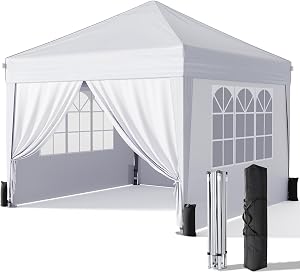
The best camping stove for cooking for large groups of eight or more does its best work under a dedicated shelter. Sun beats down on the cook, rain ruins pancake batter, and wind eats your BTUs. A 10x10 pop-up canopy over the cook station is non-negotiable for any trip longer than a weekend. Here are the support pieces we recommend pairing with your group stove.
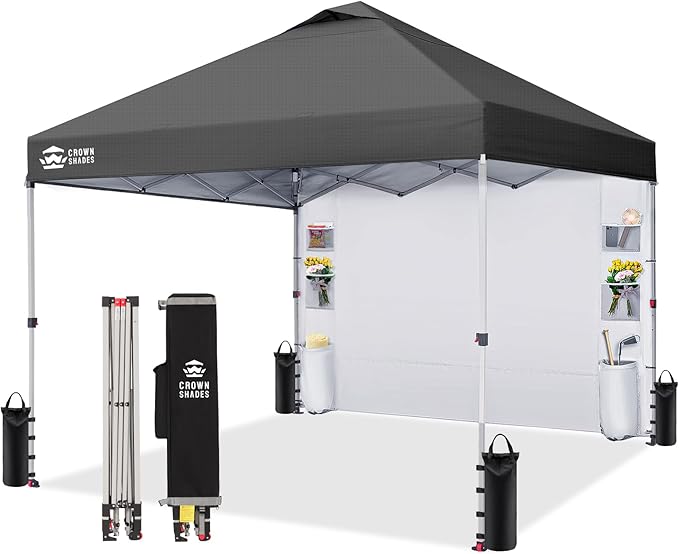
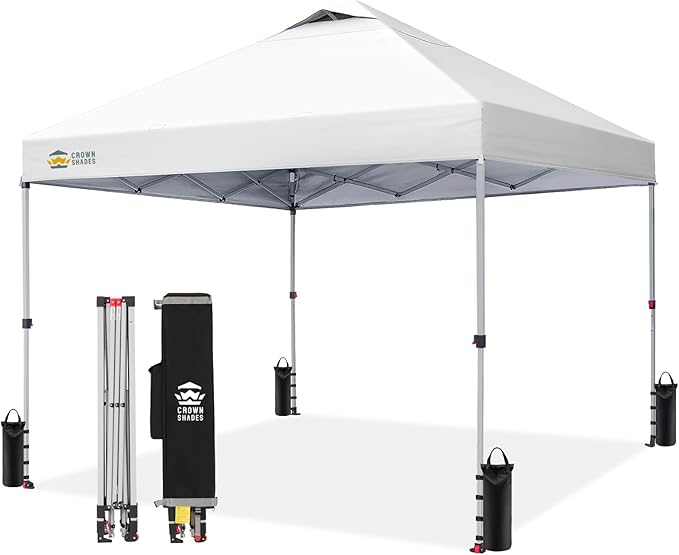
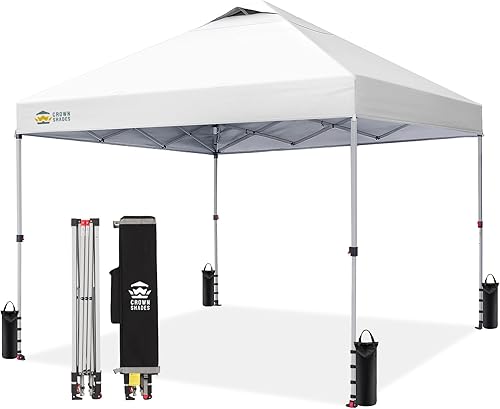
CROWN SHADES 10x10 Pop Up Canopy with Pockets — Cook Shelter
This is the workhorse over the cook station. The 10x10 footprint comfortably covers a two- or three-burner stove plus a folding prep table and a cooler underneath. The integrated pockets are surprisingly useful for keeping utensils, spice containers, and dish towels off the dirt. It pops up in about a minute, and the vented top reduces heat buildup over the stove—a critical detail you only appreciate after cooking under a non-vented canopy on a 90°F afternoon. Keep the canopy top at least 3 feet above the stove's highest flame, and never enclose the sides while burners are running. Check current price on Amazon.
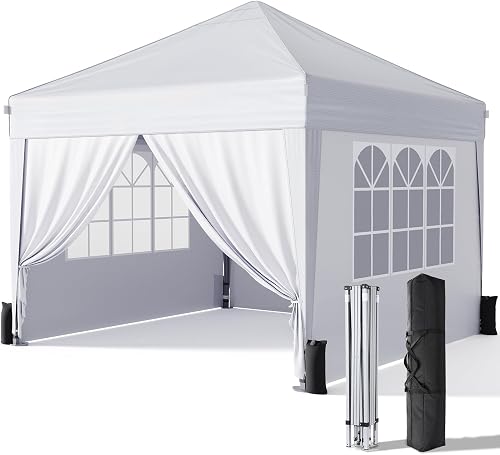
CROWN SHADES 10x10 CenterLok One-Push Canopy — Faster Setup
If your group rotates cook duty among multiple people, the CenterLok one-push frame is worth the small premium. One person can deploy it solo in under 60 seconds, which matters when you arrive at camp at dusk and need to get dinner started immediately. It's also the canopy we'd recommend if you're setting up a second shelter over the dining area to keep eaters comfortable while the cook finishes plating. Check current price on Amazon.
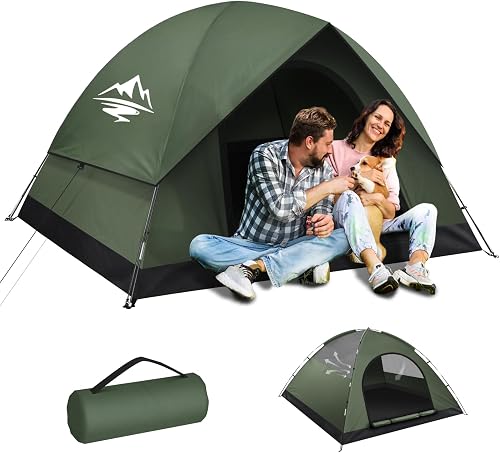
Amazon Basics 3-Season Dome Tent with Rainfly — Sleeping for the Cook Crew
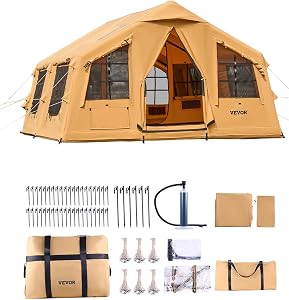
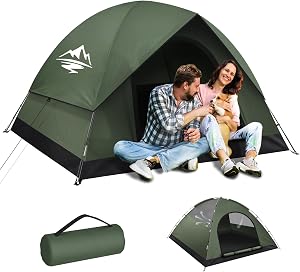
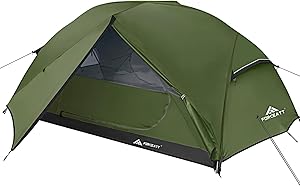
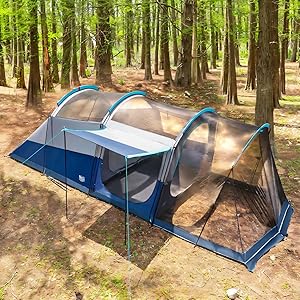
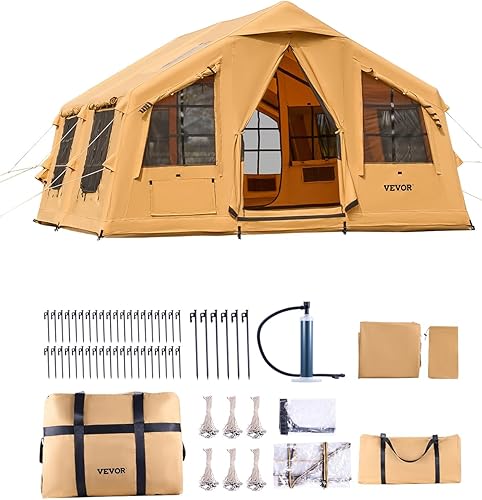
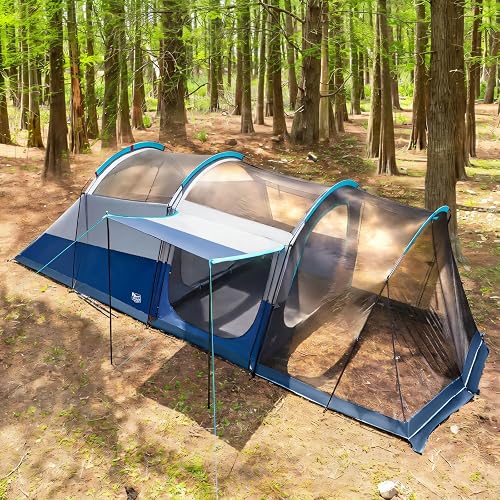
A group of 8+ usually means two or three tents pitched together. The Amazon Basics 3-season dome with rainfly is a budget-friendly sleeper for the cook crew or for splitting the group into 3- to 4-person tent pods. It's not the stove, but a tired cook is a bad cook—make sure whoever's running burners at 6 AM has slept dry. Pair this with a larger 8-person family tent for the rest of the crew. Check current price on Amazon.
Wise Owl Outfitters Camping Hammock — The Cook's Recovery Spot
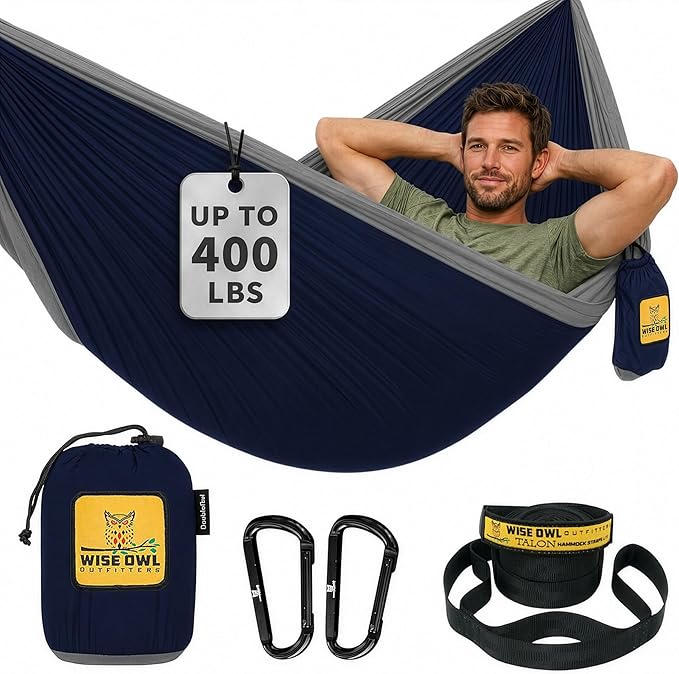
Cooking three meals a day for ten people is real labor. A 500 lb-capacity hammock with included tree straps gives the cook somewhere to collapse between breakfast cleanup and lunch prep. It's optional, but every group cook we've talked to says it was the single best comfort upgrade they made for multi-day trips. Check current price on Amazon.
Fuel Logistics: Why a 20 lb Tank Beats 1 lb Canisters
At group scale the difference between disposable 1 lb propane canisters and a refillable 20 lb tank is roughly $3 vs. $0.50 per cooking hour. A two-burner stove running both burners at full output burns through a 1 lb canister in about 90 minutes. For a 5-day trip feeding 10 people, that's 12–16 canisters at $4–5 each—easily $60 in fuel, plus the environmental cost of the empties. A single 20 lb tank costs about $20 to refill, lasts the whole trip, and pairs with virtually any group stove via a $25 hose adapter. This is the upgrade nobody mentions and everyone regrets skipping.
Group Camping Meal Planning Tips
The stove is half the equation; the menu is the other half. A few rules that hold up after a decade of group trips:
- Pre-portion at home. Pancake mix in zip bags, taco meat browned and frozen, breakfast burritos pre-rolled in foil. The stove only needs to reheat or finish, not cook from scratch.
- One-pot meals on day one and the final day. Chili, jambalaya, pasta Bolognese—these scale, simmer forgivingly, and don't require simultaneous burner choreography.
- Cold breakfast options. Overnight oats with powdered milk free up the stove on the morning everyone's packing out.
- Designate a cook lead. A group of 10 with five well-meaning cooks all touching the stove ends in chaos. One lead, two assistants, rotating daily.
For full menu ideas, see our family camping meal plans for groups and our guide on how to cook for a group while camping.
What to Skip
A few common temptations that do not earn their place in a group cook kit:
- Single-burner backpacking stoves. Fine for trail snacks, useless for feeding 8. Don't try to make it work.
- Built-in stove-cooler combo units. They sound efficient and weigh 80 lbs. Keep your cooler and stove separate.
- Tabletop charcoal grills as your primary heat source. Great as a side rig for steaks; terrible as the only option when you need pancakes at 7 AM in 20 minutes.
Frequently Asked Questions
What size camping stove do I need for 10 people?
For 10 people, plan on a two-burner stove with at least 25,000 BTU per burner, or step up to a three-burner unit in the 60,000 BTU total range. Two burners forces you to batch-cook, which is workable if you have an organized cook lead. Three burners lets you run coffee, eggs, and bacon simultaneously, which is the difference between breakfast at 8 AM and breakfast at 9:30 AM.
Can I use one camping stove to feed a group of 12 or do I need two?
A single high-output three-burner stove can feed 12, but a second two-burner backup is the smartest insurance policy you can pack. Stoves fail, regulators ice up in cold weather, and someone will inevitably forget the lighter. The backup also doubles your throughput when you need it—two simultaneous breakfasts cuts the morning wait in half.
How much propane do I need for a week of group camping?
Plan on roughly 1 lb of propane per cooking hour at full output. A group of 10 typically uses 3–4 cooking hours per day across breakfast, dinner, and coffee duty—so about 4 lbs daily, or roughly 28 lbs over a week. A single 20 lb refillable tank plus one spare 1 lb canister for emergencies covers it. If you're cold-weather camping, increase by 25% because liquid propane vaporizes less efficiently below 40°F.
Is a propane or a dual-fuel camping stove better for large groups?
Propane wins for group camping in 2026. Dual-fuel (white gas / Coleman fuel) stoves throw out impressive heat and work better in extreme cold and at altitude, but they require priming, more maintenance, and a more cautious refueling routine you don't want around an inexperienced crew. Propane is plug-and-play, runs cleaner, and refills are available at any gas station or hardware store.
Do I need a cooking shelter or canopy over my camping stove?
Yes—any trip longer than 48 hours benefits enormously from a dedicated cook shelter. A 10x10 pop-up canopy shields the stove from wind (which can cut effective BTU output by 50%), keeps the cook out of the sun, and lets you keep cooking through light rain. Just ensure clearance: keep the canopy top at least 3 feet above the stove's highest flame and never use a fully enclosed shelter due to carbon monoxide risk. See our guide to large-group camping tents for matching shelter capacity.
What's the best camping stove for cooking for large groups of eight or more on a tight budget?
The Coleman Triton 2-burner (about $90 in 2026) and the Stansport Outfitter (about $130) are the two budget picks worth considering. Both hit 22,000 BTU per burner and accept a 20 lb tank with a $20 hose adapter. You sacrifice the more durable hinges and integrated wind baffles of the $200+ Camp Chef Explorer class, but for casual group trips a few times a year, they get the job done. For deeper comparisons of two-burner options, see our two-burner propane camping stove guide.
How do I keep food safe when cooking for a large group at camp?
Two coolers minimum: one for raw proteins, one for ready-to-eat. Keep raw meat below 40°F (block ice lasts longer than cubes), wash hands or use sanitizer before plating, and never let cooked food sit out longer than 2 hours (1 hour above 90°F). For multi-day trips, plan the menu so day-one meals use the most perishable ingredients (fresh fish, ground beef) and day-five meals lean on shelf-stable foods (pasta, canned beans, jerky). A well-managed group kitchen is built on cold storage discipline as much as on burner output.
Key Takeaways
- Choosing the right best camping stove for cooking for large groups of eight or more means matching capacity and output ports to your actual devices
- Always check actual watt-hours (Wh), not just watts — runtime depends on Wh, not peak output
- Also covers: large group camp stove 8 people
- Also covers: high btu stove for big family camping
- Also covers: two burner stove for group of 10
- Compare price-per-Wh across models to find the best value for your budget